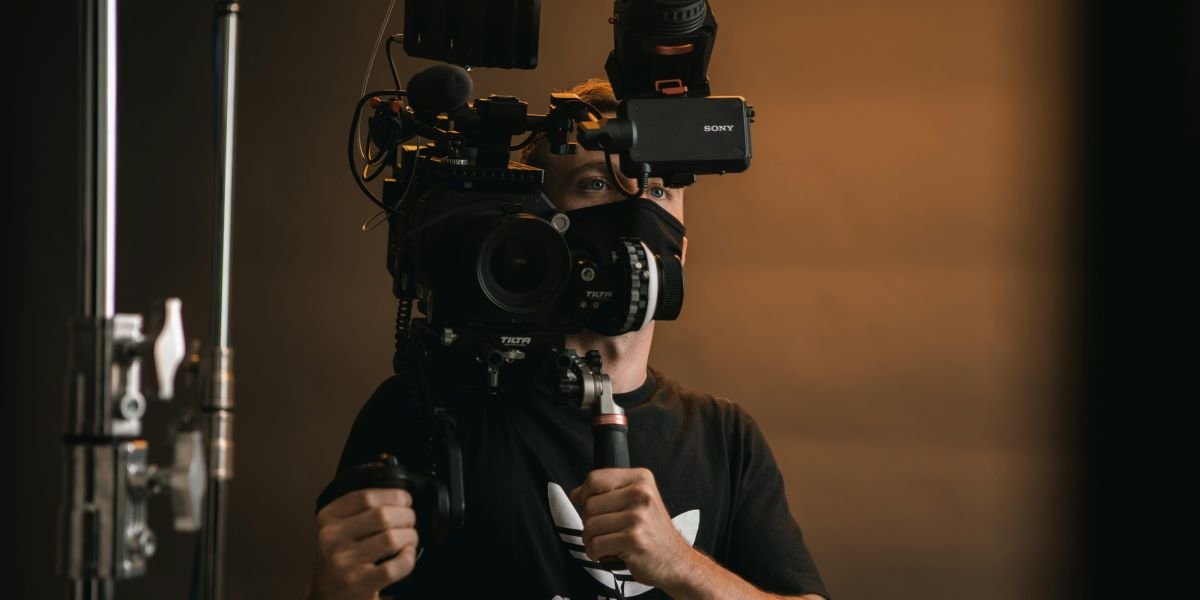
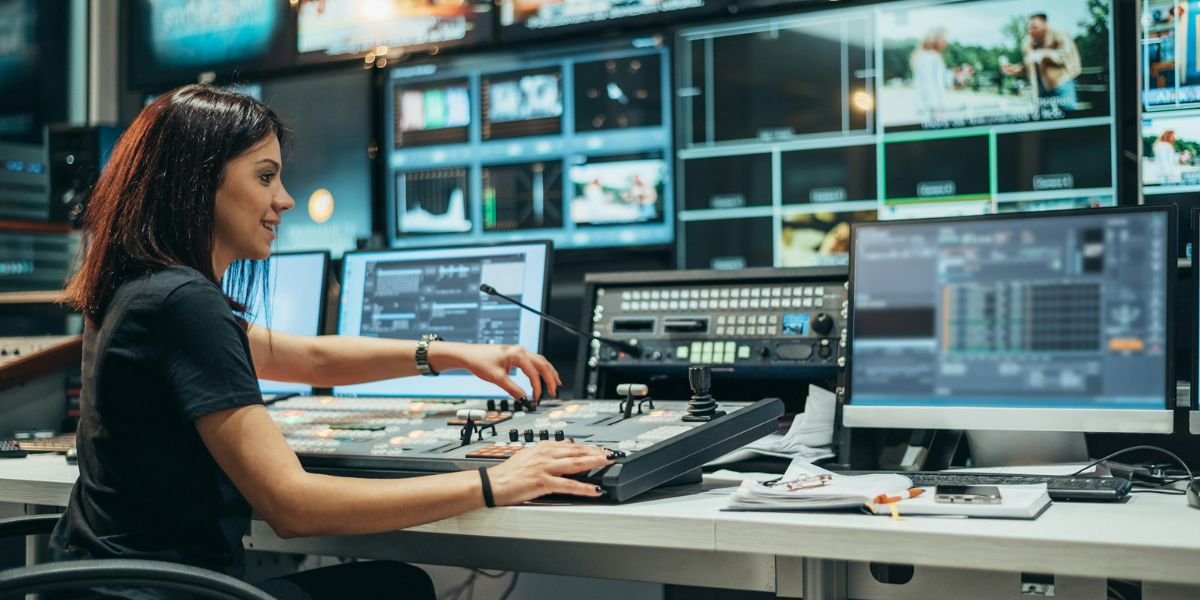
The history of sports broadcasting has changed fundamentally over decades. The era when terrestrial and cable TV held a monopoly is over — streaming platforms are now completely redefining how fans around the world watch live sports.
Decades ago, there was only one way for sports fans to watch a game: sit in front of the TV and turn on a designated channel. Terrestrial broadcasters held exclusive rights, and when cable TV emerged, a wider variety of sports content began to flow. Today, however, the sports broadcasting landscape looks nothing like it did then. The age of watching any live match from anywhere in the world through a single smartphone has arrived. This shift represents not just a technological advancement but a structural reorganization of the entire media industry.
The Cable TV Era of Sports Broadcasting
Cable TV established itself as the central pillar of sports coverage throughout the 1980s and 1990s. The emergence of dedicated sports channels — most notably ESPN — gave fans access to a wide range of sports and leagues through a single subscription. Broadcasting rights for major leagues such as the Premier League, the NBA, and the NFL became core assets for networks, guaranteeing high viewership and advertising revenue.
The same pattern played out in South Korea. During the years when KBS, MBC, and SBS held exclusive broadcast rights to the KBO League and national team matches, fans had to arrange their schedules around TV programming. The later arrival of dedicated sports channels like SPOTV and MBC Sports+ significantly expanded the volume of sports content available to cable subscribers. As competition for broadcasting rights intensified, so did the financial burden on broadcasters.
Sports coverage in the cable TV era was defined by one-way communication. Viewers had no choice but to accept whatever footage and commentary the broadcaster provided. Selecting a start time or choosing a preferred camera angle was simply not possible. Technical limitations constrained the viewing experience at every turn.
The Arrival of the Internet and the Dawn of Streaming
From the mid-2000s onward, the spread of broadband internet began to slowly shift the landscape of sports broadcasting. Early internet streaming suffered from low video quality and frequent buffering, but stability improved steadily alongside technological progress. As platforms like YouTube began distributing sports highlight clips, the way fans consumed content began to change at a foundational level.
The OTT (Over-The-Top) services that emerged during this period began to crack the monopoly held by cable broadcasters. Once Netflix established the subscription streaming model, dedicated sports platforms adopted the same approach. After DAZN found success as a sports-only streaming service across Europe and Japan, traditional cable operators began to sense real disruption.
In South Korea, Naver Sports and Kakao TV began offering free streaming of select matches, building the habit among fans of watching games on PC and mobile. As platforms including Tving, Coupang Play, and SOOP (formerly AfreecaTV) moved to secure sports broadcasting rights, domestic streaming competition shifted into a higher gear.
The Global Streaming War and the Rising Value of Sports Rights
Entering the 2020s, competition among global streaming platforms for sports broadcasting rights escalated to unprecedented levels. Amazon Prime Video secured exclusive rights to NFL Thursday Night Football in a deal valued at approximately $13.2 billion. Apple TV+ committed more than $2.5 billion over ten years for exclusive MLS broadcasting rights. Netflix signed a ten-year exclusive global deal for WWE Raw and moved into NFL Christmas Day coverage.
The NBA’s trajectory illustrates the scale of this transformation. Decades removed from the era when NBA Finals games were broadcast on tape delay, the league finalized a $76 billion media rights deal with streaming platforms as central partners. Live sports rights became the most powerful tool streaming platforms could wield to acquire and retain subscribers.
Survey data reflects this shift clearly. Some 69 percent of sports fans in the United States indicated they plan to use a streaming subscription service to watch at least some games — up seven percentage points from the prior year. The share planning to watch sports via cable TV, meanwhile, fell to 63 percent. Among fans between the ages of 18 and 34, the preference for streaming was even more pronounced.
The Current State of the Korean Sports Streaming Market
South Korea is among the markets where the shift to sports streaming is advancing at notable speed. Tving officially launched its fan-focused KBO League coverage for the 2026 season, while SOOP has handled KBO overseas live streaming for three consecutive years, reinforcing its platform position. During the 2026 Milan Cortina Winter Paralympics, digital platforms including SOOP and CHZZK led coverage alongside traditional broadcasters, making the competitive dynamic explicit.
Domestic leagues including K League 1 and the V League are also expanding their content distribution through streaming platforms. Fans no longer need to be inside a stadium to watch a live match in real time — a smartphone or tablet is sufficient. Comment sections and live reaction features allow viewers to interact with fellow fans simultaneously. Live sports viewing has evolved from passive observation into an act of participation in a digital community.
For a deeper look at how this transformation is shaping fan behavior, How Live Sports Shapes Fan Communities examines the way digital-era fan engagement has fundamentally changed.
Technological Innovation and the Viewing Experience in the Streaming Era
The most significant difference between the cable TV era and the streaming era is the degree of choice that technology places in the hands of the viewer. Leading streaming platforms now offer multi-camera angle selection, real-time statistics overlays, AI-generated highlight reels, and multilingual commentary options. Amazon Prime Video’s NFL Thursday Night Football coverage includes real-time data, multiple audio streams, and AI-powered replay features that deliver something well beyond a conventional broadcast.
Advances in IP-based broadcasting and remote production technology mean that even small-scale sporting events can now be distributed to audiences across 190 countries through digital platforms. This development opens new opportunities for niche sports and amateur leagues to reach global audiences that traditional broadcasting could never efficiently serve.
For readers interested in academic analysis of this shift, California Polytechnic State University’s published research on the transition of sports broadcasting from linear TV to streaming offers detailed scholarly analysis of the underlying trends and industry drivers.
The New Challenges Streaming Has Introduced
The streaming era has raised convenience significantly, but it has also introduced new complications. As broadcasting rights become distributed across multiple platforms, fans who want to watch every match they care about may need to subscribe to several different services — driving up costs and creating a fragmented viewing experience. In some regions, limitations in internet infrastructure continue to make stable streaming difficult to access.
The structure of rights agreements has grown more complex as well. Legal and regulatory discussions over how rights should be divided between traditional cable operators and emerging streaming platforms are ongoing. In the United States, legislative bodies and regulatory agencies have begun examining how the movement of sports broadcasts to streaming affects public access.
The Road Ahead
Sports broadcasting has evolved continuously — from its cable TV foundations through a full transition into the streaming era. As AI and data analytics capabilities continue to advance, personalized commentary and tailored viewing experiences are expected to become standard. When augmented and virtual reality technology matures further, fans may experience the atmosphere of a live stadium without leaving home.
The journey that began with cable TV sports coverage is now moving toward a fully digital future. Broadcasters, platforms, leagues, and fans are all participants in this change, and the next chapter of sports media is being written in real time.