
By: L James
Attorney Henry E. Reaves III uses his voice, legal experience, and commitment to public service to encourage communities to become more informed, engaged, and prepared to protect their future. His book, “They’re Trying to Make Us Slaves Again… And This Is How We Stop Them,” presents a message about the importance of knowledge, personal responsibility, economic awareness, and collective action.
The title is intentionally provocative. It challenges readers to consider the different ways people can lose control over their lives, not necessarily through physical chains, but through systems, policies, financial pressures, limited access to information, and a lack of understanding about their rights. Reaves uses the book to argue that freedom must be protected through education, preparation, and a willingness to confront conditions that can prevent individuals and communities from moving forward.
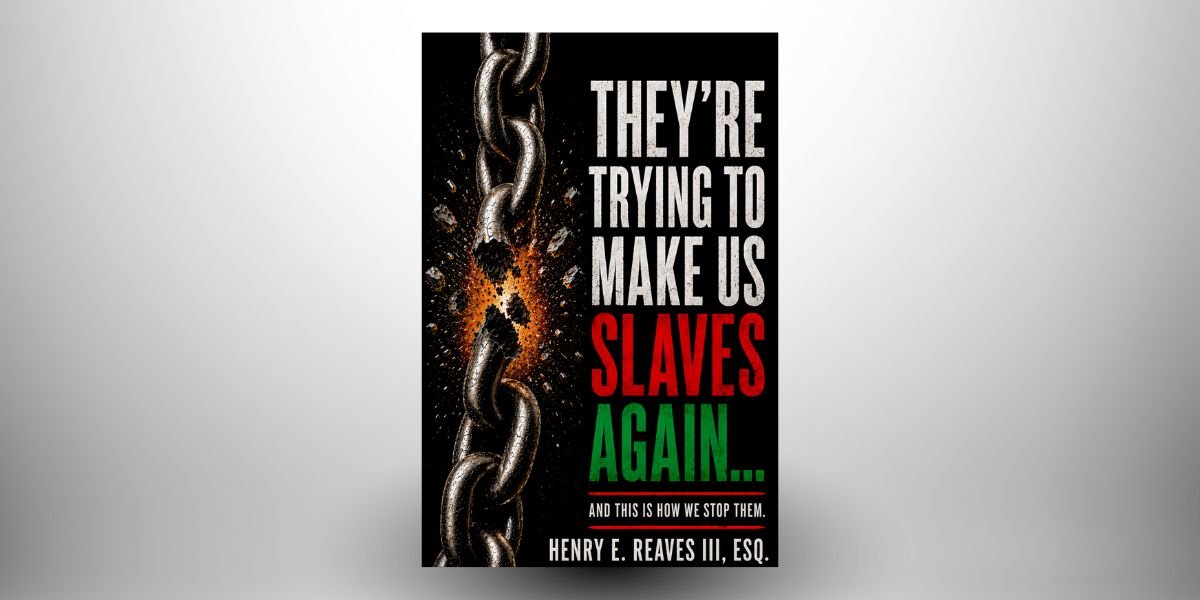
The image of a broken chain featured on the book’s cover reinforces that message. It represents freedom from restrictions that can prevent people from reaching their full potential. The red, black, and green colors connect the presentation to African American history, identity, and determination. Together, the title and cover communicate that the book is intended to prompt readers to examine their circumstances and consider how they can participate in creating change.
A central message of the book is that knowledge can serve as an important form of protection. Reaves frequently draws attention to the biblical warning, “My people are destroyed for lack of knowledge.” For him, that statement is more than a familiar scripture. It describes what can happen when people do not understand the laws, agreements, institutions, and financial decisions affecting their lives.
Through the book, Reaves encourages readers to ask questions before signing documents, learn how legal and governmental systems operate, understand their financial obligations, and seek qualified assistance when necessary. He emphasizes that people are better positioned to advocate for themselves when they possess accurate information and understand the available options.
His message is shaped by his experience as an attorney and his direct interaction with individuals and families facing difficult circumstances. His work has given him a close view of how legal, educational, economic, and social challenges can overlap. The book brings those concerns into a broader public conversation while presenting knowledge and organization as tools for individual and community participation.
Reaves has also spoken publicly about changes he believes are needed within communities. He has used his platform to raise questions, encourage public awareness, and call attention to concerns affecting everyday citizens. His advocacy reflects a belief that leadership involves identifying problems, seeking solutions, and remaining involved after public attention has moved elsewhere.
At the center of his community message is accountability. Reaves calls upon institutions and leaders to serve people fairly and responsibly, but he also challenges residents to become more engaged in the decisions shaping their neighborhoods. He argues that sustainable progress depends on informed citizens who attend meetings, research issues, understand their rights, support local organizations, and hold leadership accountable through lawful and constructive participation.
This emphasis on responsibility distinguishes the book from works that focus primarily on describing injustice. “They’re Trying to Make Us Slaves Again… And This Is How We Stop Them” is focused on action. Its message calls for stronger families, better-informed citizens, economic discipline, educational advancement, and greater cooperation among people who share common concerns.
Reaves argues that lasting change rarely begins with one dramatic moment. It is often created through a series of deliberate decisions, such as reading an agreement carefully, seeking legal advice, participating in civic life, supporting community businesses, mentoring young people, building financial literacy, and sharing reliable information with others. These actions may appear small individually, but together they can contribute to stronger community participation.
The book also places importance on breaking cycles that have continued across generations. Reaves encourages readers to consider what information, resources, and opportunities they are passing to their children. He argues that empowerment must be taught, practiced, and preserved so that the next generation is better prepared to recognize unfair circumstances and pursue meaningful opportunities.
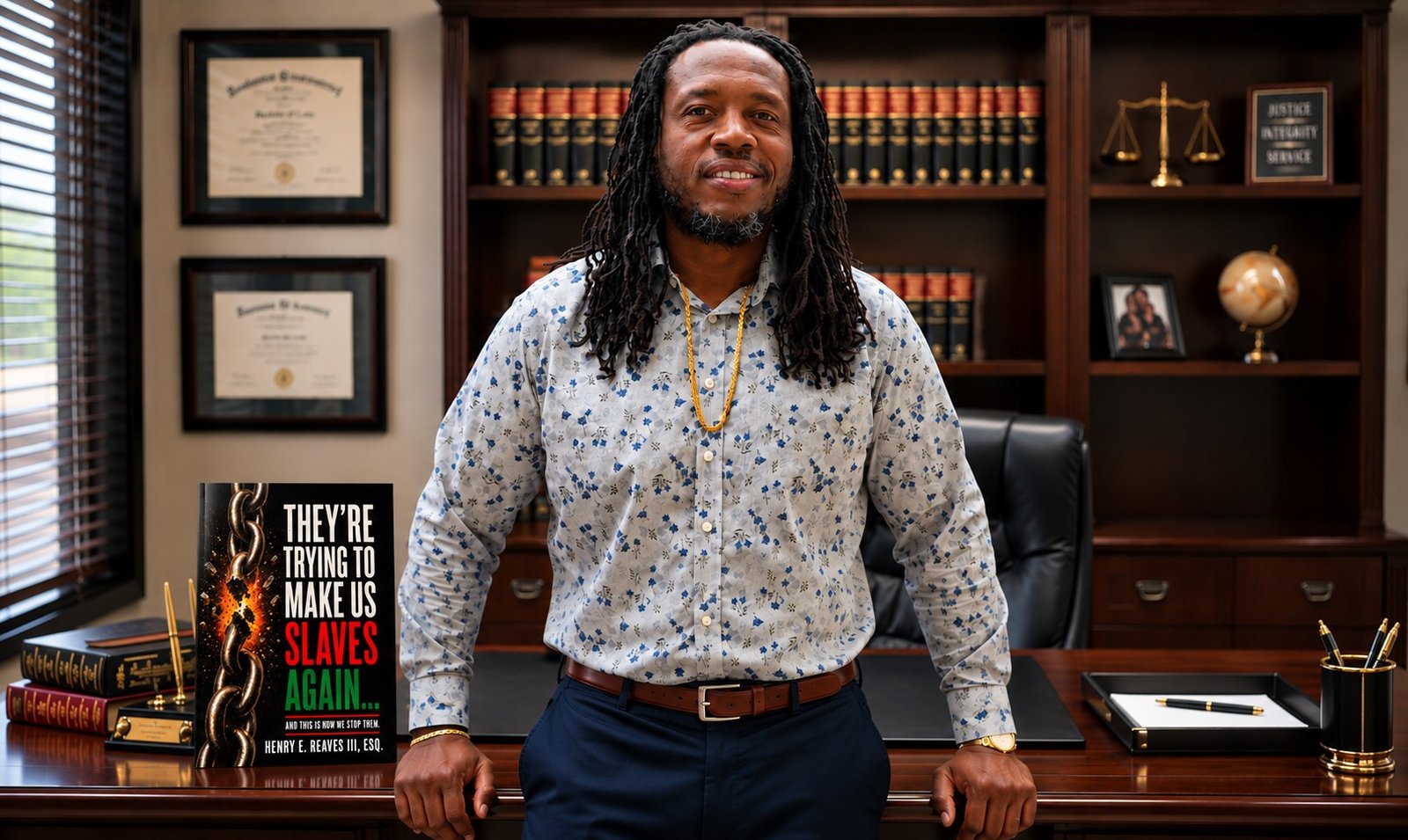
His approach combines urgency with hope. Although the title warns readers about serious dangers, the subtitle makes clear that Reaves does not present people as powerless. He points to awareness, unity, preparation, and education as practical responses to the challenges he identifies.
Reaves continues to participate in conversations about fairness, community responsibility, and the need for institutions to remain responsive to the people they serve. While some of these discussions may be uncomfortable, his position is that sustained attention and public participation are necessary for addressing longstanding problems.
Ultimately, “They’re Trying to Make Us Slaves Again… And This Is How We Stop Them” is a book about reclaiming power through understanding. It challenges readers to recognize that freedom carries responsibility and that rights must be understood before they can be effectively protected.
Attorney Henry E. Reaves III has written a book centered on education, awareness, and community participation. His message is that progress begins when people become informed, organize around shared goals, and commit themselves to constructive action. Through his work as an attorney and community advocate, Reaves continues to use his public platform to encourage discussion about how individuals and communities can move from awareness to action.