
Wisconsin’s economy carries a genuine agricultural heritage, particularly dairy farming, alongside a growing craft brewing scene and a meaningful manufacturing base that has evolved considerably from its industrial past. Each of these sectors has developed its own reason for turning to unsecured financing over traditional bank lending, shaped by how genuinely different their revenue timing and capital needs actually look.
Frequently Asked Questions
What Exactly Does Unsecured Mean In The Context Of A Business Loan?
Unsecured means the loan is not tied to a specific piece of property, equipment, or asset that the lender could seize if the loan goes unpaid. Approval is based primarily on the business’s revenue and banking history rather than a physical asset pledged as security. This differs meaningfully from a secured loan, where a lender evaluates and often appraises a specific asset before extending credit against it.
What Documents Are Usually Required To Apply?
Most unsecured small business lenders ask for basic business identification, several months of recent business bank statements, and proof of ownership. This is considerably less than the tax returns, financial statements, and formal business plans a bank loan typically requires, and the entire document collection process for an online application often takes only a few minutes.
Is A Personal Guarantee Still Required Even Without Collateral?
It depends on the lender and the specific product. Some unsecured products still require a personal guarantee, meaning the business owner remains personally liable if the business cannot repay, while others limit liability to the business entity itself. This is worth confirming directly and reading in the actual agreement language before signing.
Dairy And Agriculture’s Predictable Financing Rhythm
Wisconsin’s dairy industry, still a genuine cornerstone of the state’s agricultural economy and identity, operates on financing needs tied to feed costs, equipment maintenance, and the timing gap between ongoing production costs and processor payment cycles that can stretch longer than many dairy operators would prefer. Unsecured working capital products, particularly those with revenue-based repayment structures that adjust with actual milk production and pricing cycles, fit this pattern considerably better than a rigid fixed payment schedule that doesn’t account for the genuine variability dairy pricing can experience from month to month.
Milwaukee And Wisconsin’s Manufacturing Evolution
Milwaukee’s manufacturing base has evolved from heavy industrial production toward more diversified advanced manufacturing, creating a mix of established manufacturers and newer, more specialized companies with genuinely different financing profiles and different levels of access to traditional banking relationships. Newer manufacturers in particular often lack the multi-year track record traditional Wisconsin banks have historically expected before extending meaningful credit, making unsecured financing’s six-month operating history threshold particularly valuable for this specific, growing segment of the state’s manufacturing economy.
The Craft Brewing Boom’s Specific Capital Needs
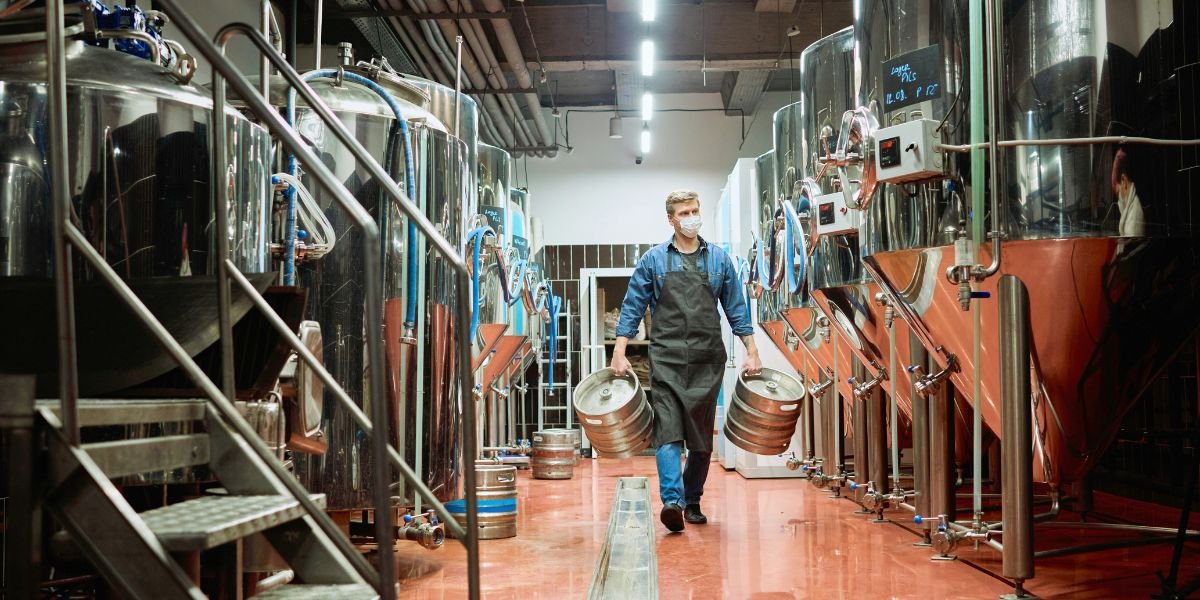
Wisconsin’s craft brewing scene has grown considerably in recent years, building on the state’s deep beer brewing heritage, and these businesses face financing needs tied to expansion, equipment upgrades, and seasonal demand fluctuations that don’t always align neatly with a traditional bank’s lending criteria built around more conventional business models. A brewery expanding production capacity or covering a seasonal ingredient purchase benefits from unsecured financing’s speed and flexibility across different product structures, rather than being forced into a single rigid loan product that doesn’t quite fit how the business actually operates.
Madison’s Growing Technology And Research Sector
Madison’s university connections have fostered a genuine technology and biotech research sector that stands apart from the rest of Wisconsin’s more traditional agricultural and manufacturing economy, producing a steady stream of research-adjacent companies with financing needs that look considerably different from a dairy operation’s or a manufacturer’s. These businesses often need capital tied to specific growth milestones, and the same fast, accessible financing that serves Wisconsin’s dairy and manufacturing base has proven equally valuable for Madison’s newer, innovation-focused companies navigating their own distinct growth trajectory.
How To Research And Choose The Right Commercial Lending Company
Finding the right commercial lender is less about landing on the first search result and more about building a habit of comparison before urgency sets in. Business owners who take the time to look at multiple lenders, rather than defaulting to whichever company appears first, tend to end up with better rates, clearer terms, and fewer surprises once the paperwork is signed.
A good starting point is looking at how a lender is actually rated by other business owners rather than relying on its own marketing copy. Resources such as businessloansiq.com bring together comparisons of top-rated business loan companies in one place, which makes it easier to see how different lenders stack up on speed, transparency, and overall customer experience before ever submitting an application.
From there, it helps to look past the advertised rate and understand the full cost of capital, including any origination fees, prepayment terms, and how repayment actually gets structured against day-to-day cash flow.
Side-by-side comparisons are especially useful at this stage of the process. A site like comparebusinessloansonline.com lets a business owner line up reliable business lenders against one another using the same criteria, so the comparison is grounded in real terms rather than a single company’s pitch.
Reputation and track record matter just as much as pricing, particularly for a business owner who may need to return to the same lender for future capital down the road.
Checking independent ratings, rather than only the testimonials posted on a lender’s own website, is one of the more reliable ways to spot a pattern of poor communication or hidden fees before it becomes your problem. Platforms including bestratedbusinessloans.com compile ratings across a range of business lenders, offering another useful reference point while narrowing down the list of who to actually call.
None of this needs to take more than an afternoon, and doing it before a cash flow gap actually arrives means a business owner is choosing from options they have already vetted, rather than scrambling to evaluate a lender for the first time under real pressure.
Same Day Access Across Wisconsin’s Diverse Economy
Direct lenders such as Fundivi have built their entire platform around this same-day expectation, combining direct funding with access to a wider network of lending partners so qualifying businesses can get a same-day answer even when a single lender’s own criteria don’t quite fit. This hybrid structure means a business isn’t limited to a single company’s underwriting model, since a referral to a suitable partner remains possible within the same application if the platform’s own direct product isn’t the closest fit. Whether the need comes from a dairy operation managing seasonal cash flow or a Milwaukee manufacturer covering a raw material purchase, this same-day structure addresses the genuinely wide range of financing needs across Wisconsin’s varied economic base, from its deepest agricultural roots to its newest technology ventures.
What Wisconsin Business Owners Should Verify First
Before accepting any unsecured financing offer, Wisconsin business owners should confirm the total repayment cost, whether a personal guarantee is required, and how the lender handles a genuine payment difficulty. These questions matter equally for a dairy operation in rural Wisconsin and a Milwaukee manufacturer, since the underlying financial risks these questions address don’t change based on which specific corner of the state’s genuinely diverse economy a business happens to operate within.
Green Bay And Wisconsin’s Paper And Packaging Industry
Green Bay’s historic paper and packaging manufacturing base, alongside a growing logistics sector supporting the broader industry, creates financing needs tied closely to production cycles and raw material costs, similar in pattern to Milwaukee’s manufacturing base but concentrated in a genuinely distinct regional industry. These businesses benefit from the same accessible, fast underwriting standard that has made unsecured financing increasingly popular across Wisconsin’s varied manufacturing and agricultural economy.
Bringing Wisconsin’s Diverse Economy Together
From dairy farms to craft breweries to advanced manufacturing to university-adjacent technology companies, Wisconsin’s small business economy covers a genuinely wide range of industries, each with its own specific timing and capital needs. What unites nearly all of them is a preference for financing that moves quickly and evaluates the business on its actual current performance rather than requiring the kind of extensive documentation and lengthy operating history traditional Wisconsin banks have historically expected before extending meaningful credit.
How To Actually Compare Offers As A Wisconsin Business Owner
Regardless of which specific Wisconsin industry a business operates within, the same comparison discipline applies: request soft prequalification from more than one lender, convert every offer into total dollars owed for an identical amount and timeline, and confirm collateral and personal guarantee terms directly before signing anything, a process that typically takes less than an hour but can meaningfully affect the total cost of whatever financing decision follows.
Wisconsin’s Path Forward
Wisconsin’s continued economic evolution, blending its deep agricultural heritage with growing manufacturing sophistication and an emerging technology sector around Madison, means the state’s small business financing needs will likely continue diversifying in the years ahead. Business owners who understand the full range of options available today, and who build the habit of comparing offers carefully rather than defaulting to whichever lender feels most familiar, are best positioned to navigate whatever the next stage of Wisconsin’s economic story actually looks like, regardless of whether that story continues centering on the state’s agricultural roots or increasingly reflects its growing manufacturing and technology sectors.
Why This Matters For Every Wisconsin Business Owner
Regardless of whether your business traces its roots to Wisconsin’s agricultural heritage, its manufacturing evolution, or its newer technology and craft brewing ventures, the underlying financial discipline remains the same: understand your specific timing needs, compare real offers from more than one lender, and confirm total cost before committing to anything. This approach, applied consistently across every future financing decision, tends to compound into genuinely better outcomes over the full lifetime of a growing Wisconsin business.
Building Long-Term Financial Preparedness
Business owners in this category who take the time to understand their financing options well before an urgent need actually arises consistently navigate genuine emergencies with considerably less stress than those researching options for the first time under pressure. This preparation costs nothing beyond a few minutes spent completing a soft prequalification, a process that typically doesn’t affect your credit score and provides a clear, concrete picture of what your specific business actually qualifies for right now. Knowing this information in advance, rather than discovering it for the first time during a genuine crisis, removes much of the scramble and uncertainty that otherwise accompanies an urgent capital need, whether that need arrives as an equipment failure, an unexpected opportunity, or a seasonal cash flow gap that caught the business off guard. The businesses that handle financing decisions most successfully over time are consistently the ones that treat this kind of preparation as an ongoing practice rather than a one-time event tied to a single specific crisis.
Disclaimer: This article is for informational purposes only and does not constitute financial or lending advice. Loan terms, eligibility, rates, and funding times vary by lender and applicant. Approval is not guaranteed.