By: Shawn Mars
For most of the last decade, high-end renovation in Atlanta’s northern suburbs followed a predictable script. Kitchens came first. Then primary baths. Then whatever the current finish trend happened to be.
That script is changing, and the reason is unglamorous: a large share of North Fulton’s most valuable housing stock is arriving at the same moment in its life cycle at the same time.
A Generation of Homes Comes Due
The corridor running north from Sandy Springs through Roswell and into Alpharetta filled in with substantial custom and semi-custom homes across a relatively compressed period. Those houses are now old enough that their original building systems, roofs included, are reaching the end of their designed service lives more or less together.
When that happens across a whole market rather than one house at a time, homeowners start comparing notes. And the conversation shifts from what looks new to what lasts.
“We see it in the questions,” says Chris Braswell, founder and president of Braswell Construction Group. “A few years ago people asked what was popular. Now they ask what they will not have to think about again.”
Why the Exterior Is Winning the Budget
There is a practical logic to the shift beyond timing.
Interior finishes date. A kitchen renovated to today’s preferences reads as dated within a decade, and the next owner may well tear it out regardless of quality. Exterior building systems do not work that way; they either perform or they do not, and their value is legible to a buyer, an appraiser, and an insurer alike.
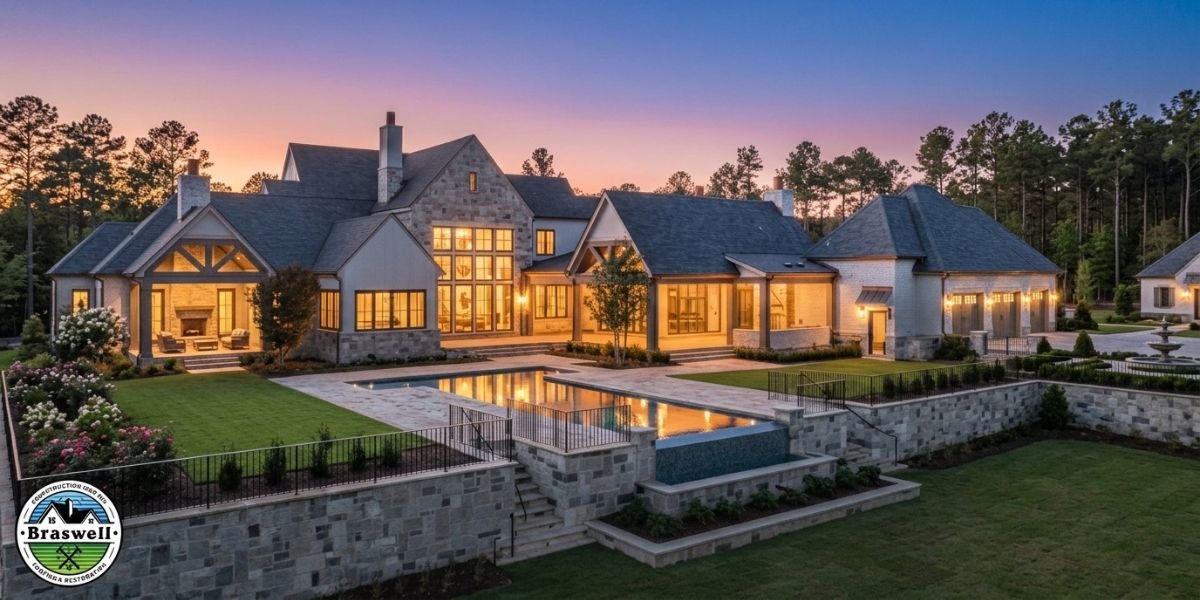
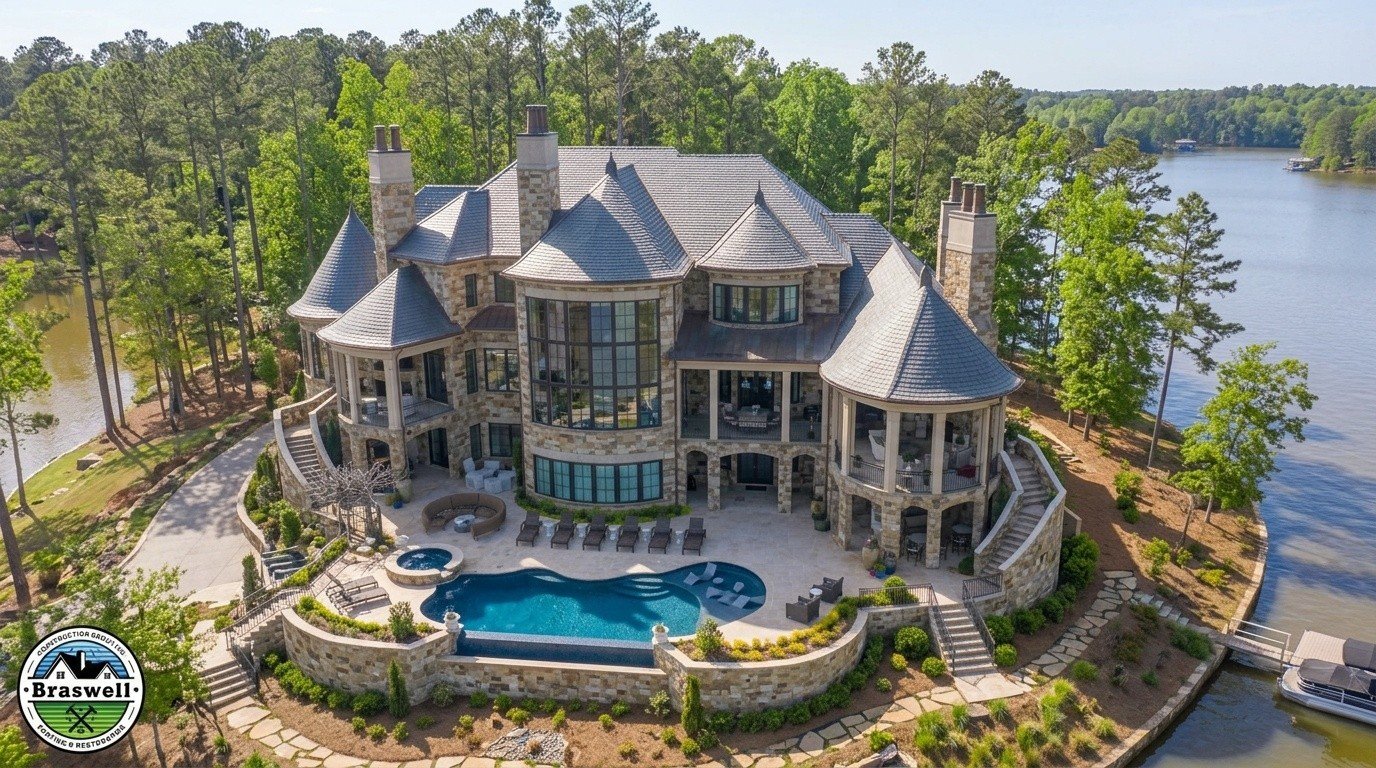
The roof is the largest single decision in that category. On the steep, articulated rooflines common to the corridor’s homes, it is also the most visible surface from the street, which means it carries curb appeal and building performance in the same line item. Homeowners looking for a Sandy Springs GA roofing contractor are increasingly doing so as part of a deliberate upgrade rather than in response to a failure.
The Material Conversation Has Moved Upmarket
What is being installed has changed alongside the reasoning.
Architectural asphalt remains the default across most of the metro, and for most homes it is a sensible choice. In the higher tiers of the North Fulton market, though, buyers are increasingly looking at materials whose service life is measured in generations rather than warranty periods: natural slate and the composite slate and shake products engineered to deliver the same profile at lower weight and cost.
Part of the appeal is aesthetic. Slate and shake profiles carry visible texture and shadow depth that reads as substantial on a large facade, where a uniform surface can look flat. Part of it is arithmetic. A material that outlasts two or three replacement cycles changes the long-run cost picture even when the upfront number is higher.
It is the same logic reshaping the market across the metro, documented in the shift toward an Atlanta luxury slate roofing market that behaves more like West Coast luxury markets than the traditional Southeast.
Where the Corridor Differs From Itself
The three markets are not interchangeable, and the renovation patterns reflect that.
Sandy Springs skews toward older stock closer to the city, where renovation often means working around mature trees, tighter lots, and homes with genuine architectural character worth preserving. In Roswell, the historic district imposes its own constraints and its own rewards, and homeowners engaging a Roswell GA roofing contractor often face questions about period appropriateness that a newer subdivision would never raise.
Alpharetta’s stock skews newer and larger, which shifts the calculation again. The homes are frequently big enough that roof area becomes a meaningful share of total project cost, and the owners weighing an Alpharetta GA roofing contractor are often making the decision with a longer intended ownership horizon than the metro average.
The Underlying Change
Strip away the market specifics and something simpler is happening. A cohort of homeowners with substantial equity and no particular urgency to move is choosing to invest in permanence rather than presentation.
Braswell Construction Group, which works throughout the metro and the corridor, describes a client conversation that now routinely starts with expected service life rather than with style.
That is a meaningful reversal. For years, the roof was the part of the house nobody thought about until it leaked. In Atlanta’s most expensive suburbs, it has quietly become one of the decisions people think about most.