
Billie Eilish shocked fans when she announced that her tour would be transformed into a 3D concert film. She shared the news directly through her social channels and confirmed that the theatrical release is scheduled for March twenty. Her tone was confident and emotional — she described the tour as one of her favorite experiences and said the chance to co-direct the project felt like “a dream come true.” For someone who rarely uses formal language online, her straightforward excitement made the announcement feel personal and intentional.
Setting a release date this far ahead signals a large-scale rollout. Projects that combine pop stardom with heavy technical filmmaking require extended prep, long marketing arcs, and global planning. Billie’s early announcement sets the stage for a promotional campaign that will unfold gradually through early next year.
Why James Cameron’s Involvement Expands the Film’s Scale
Bringing James Cameron into a music project instantly shifts expectations. He has decades of experience pushing 3D technology forward, and his name alone signals an intention to build something far more immersive than a standard tour documentary. His reputation was shaped through large-format blockbusters, but his technical interests often extend into specialty projects, especially those rooted in experimental filming.
Billie choosing to collaborate with Cameron adds credibility to the idea that she wants the concert film to stand apart from recent theatrical music releases. Many artists have produced tour films over the last few years. Few have paired with a director so closely associated with technical innovation. It also reflects Billie’s growing creative identity. Taking on co-directing duties alongside someone known for large-scale productions marks a shift in how she’s shaping her visual work.
How the Hit Me Hard and Soft Tour Translates to a Theater Experience
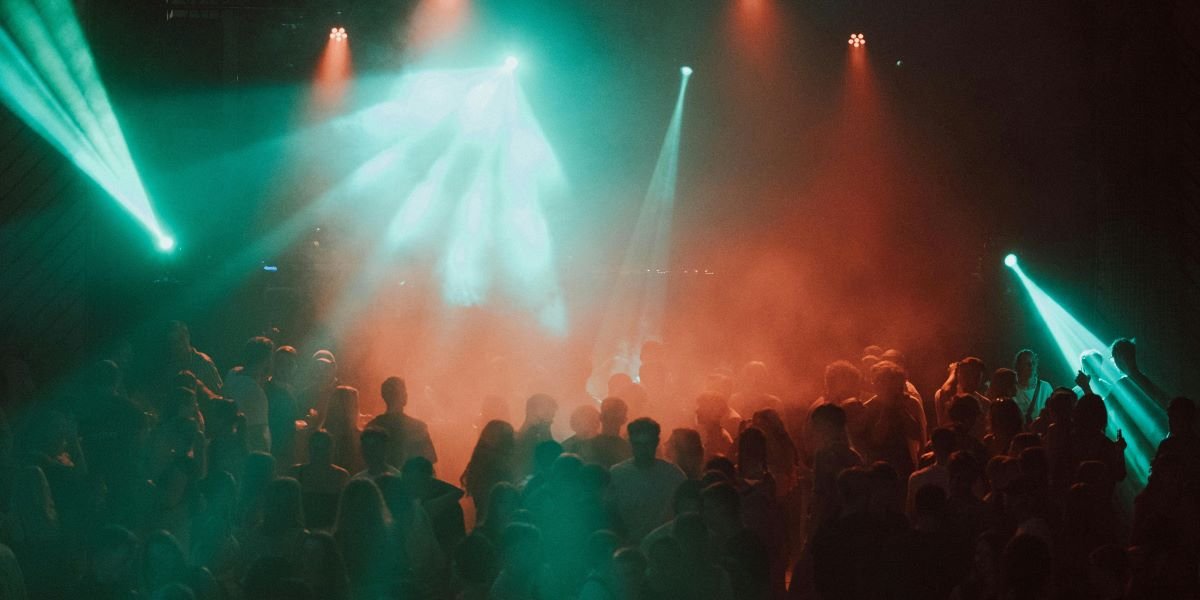
The Hit Me Hard and Soft tour leaned heavily on dark visual tones, slow-rising tension, and intentional staging. Reviewers consistently described the design as moody, disciplined, and controlled — elements that naturally translate well to a cinematic format. The reliance on lighting, contrast, and atmosphere gives the team strong material to work with on large screens.
Billie’s performance style also fits the medium. She oscillates between stillness and kinetic bursts, giving the cameras room to capture both intimate detail and high-energy movement. Large-format rigs thrive on this range, and Cameron’s experience filming motion-heavy sequences will help maintain clarity and flow throughout.
The tour spans multiple continents, meaning the final film may combine footage from different locations. This is common in concert filmmaking, allowing editors to create a seamless experience while drawing from the strongest performances. Filming has already taken place, which indicates the creative team selected specific shows that matched their technical needs.
Why Concert Films Are Surging in Theaters Again
Concert films continue to grow because they serve both sides of the industry. Theaters gain reliable turnout from fan-driven events, and artists reach cities that aren’t part of their tour routes. The cycle strengthens demand and encourages studios to invest in these releases.
Audience behavior has shifted as well. Fans look for collective moments tied to music, especially for artists with large or global followings. A theatrical release creates an event separate from streaming — something that feels communal, immersive, and time-specific. For fans who only know a tour through phone recordings, a 3D format offers a stark contrast in detail and depth.
There’s also a strategic element. As streaming platforms dominate everyday consumption, theatrical windows give artists a space where their work exists outside algorithmic clutter. Concert films keep momentum alive between album cycles and maintain visibility during quieter phases of an artist’s career.
How Fans and Industry Observers Are Responding
The reaction online has been a mix of excitement and curiosity about how Cameron will capture the atmosphere of Billie’s live show. Her audience embraces experimental ideas, which makes a technical collaboration like this an easy fit. Many fans expressed surprise simply because Cameron typically works on large studio films rather than music-based projects.
Industry watchers see Billie’s involvement as a sign of growth. Co-directing is more than a credit — it shapes how her performance and message are interpreted on-screen. Commentary surrounding the announcement highlighted that her statement signals deeper creative engagement and a desire to guide the visual storytelling herself.
Cameron’s global reputation also increases the film’s reach. Even viewers unfamiliar with Billie’s catalog may be drawn in by his name, expanding the project’s international appeal. That crossover potential benefits both artist and distributor, ensuring the film lands in front of a wider range of audiences.