Celebrity News

Emma Roberts Turns Doha Into a Runway With a Dreamy Pink Valentino Moment

Emma Roberts shut down the Fashion Trust Arabia Awards in Doha with the kind of entrance that freezes a red carpet mid-pose. She arrived in a soft pink Valentino gown that blended old-Hollywood romance with the precision and polish of a modern fashion heavyweight.

The look was ethereal. Sculpted. Feminine without apology.
And the energy? Effortless dominance — the kind of presence that doesn’t need volume to be unforgettable.

Even in a room filled with designers, models, and global trend-setters, Roberts became the headline the moment she stepped out.


A Valentino Masterpiece Designed for the Spotlight

The gown hit every mark Valentino is known for: luxury, movement, and an almost cinematic softness. Its rosy tone picked up the Doha lighting perfectly, leaving Roberts with a luminous, near-angelic glow — the kind of visual that circulates on celebrity style pages within seconds.

What elevated the look was the balance: romantic but not saccharine, classic but nowhere near predictable. It was the exact kind of choice that signals a star fully confident in her fashion instincts.


The Glam That Pulled the Whole Moment Together

Roberts paired the gown with a beauty look that stayed intentionally minimal — glowing skin, soft curls, and a clean finish that let the dress remain the focal point.

Her accessories followed the same philosophy. Sparkle without clutter. Detail without distraction.
That’s the signature move of someone who understands red-carpet optics: the dress leads, everything else supports.


Why This Look Matters Right Now

The Fashion Trust Arabia Awards have quickly become an international style stage, drawing elite names from fashion, film, and culture. Showing up with a look this refined puts Roberts at the center of this week’s celebrity fashion conversation.

It’s also a visibility move. Red carpets like this aren’t just about attending — they’re about imprinting. They reset narratives, introduce new style eras, and remind the industry whose star power still travels globally.

And Roberts made that clear: she’s still one of Hollywood’s most reliable and compelling fashion figures.


A Viral Style Moment Already in Motion

Within minutes, her appearance began circulating across celebrity style accounts and fashion feeds. Fans praised the gown’s softness, stylists applauded its structure, and fashion writers flagged it as one of the strongest looks of the entire event.

It has all the ingredients of an enduring viral fashion moment — one that sets the tone for the coming weeks of red-carpet chatter.

Emma Roberts didn’t just attend the Fashion Trust Arabia Awards.
She owned them.

Her pink Valentino gown was a masterclass in global celebrity styling — poised, polished, and delivered with quiet confidence. In a week filled with bold fashion swings, hers was the one that landed with unmistakable star power.

Ariana Grande COVID Tests Positive During Her Wicked For Good Promo Tour

What Happened During the Promo Tour

Ariana Grande revealed that she tested positive for COVID while on the road promoting Wicked For Good. She shared a behind-the-scenes photo on Instagram, noting that it was taken “moments before” she learned she was sick. The update drew attention because she had just completed several high-profile appearances to support the film.

Coverage from The Guardian highlighted that she had been in the middle of a full press week, including TV tapings, interviews, and scheduled fan interactions. Once she received the diagnosis, parts of her itinerary had to shift immediately.

Industry updates reported that her team reacted quickly, reshuffling existing plans and coordinating with partners across multiple cities. Given how tightly packed movie promo cycles are, her decision to address the situation directly helped stop speculation before it could build.


How She Chose to Share the News

Grande delivered the update through an Instagram Story — a format she often uses for casual, direct communication. The post paired a single photo with a brief caption, keeping the tone light while acknowledging the surprise of falling ill mid-tour.

She’s known for combining honesty with humor when speaking to fans online, and this message followed that same pattern. Supportive comments quickly poured in, praising her transparency and wishing her a smooth recovery.

This type of direct communication has become increasingly common among major artists. Social platforms allow celebrities to speak in their own voice without waiting for a formal statement, which helps them shape the narrative and avoid unnecessary rumors.


What It Means for the Wicked For Good Promotion

The global press tour for Wicked For Good involves coordinated stops, talk shows, and long-form interviews. Any sudden pause requires studios to pivot, especially when release windows are approaching.

Grande had just wrapped a televised appearance, as noted in earlier press coverage, making the timing especially tight. With her temporarily stepping back, other cast members may carry certain events while she recovers.

Interviews she recorded before the diagnosis will continue to roll out, and the studio is expected to compensate with additional behind-the-scenes content, cast features, and flexible scheduling. Major film campaigns are built with contingency plans for situations exactly like this.

Grande’s past comments in earlier interviews — where she spoke about maintaining perspective amid online noise — help explain the calm tone of her update. She tends to focus on keeping fans informed without escalating tension, and her COVID announcement fit that approach.


How Celebrity Health Updates Shape Public Perception

When public figures disclose sudden illnesses, reactions are typically immediate. Grande’s directness helped keep the moment grounded. Fans tend to feel more connected to artists who acknowledge challenges plainly, especially during high-pressure periods like press tours.

Film promotion often involves heavy travel, long hours, and close contact with large groups — a combination that increases the likelihood of illness. Her experience is a reminder of how unpredictable these schedules can be, even for major stars.

By addressing the situation right away, she kept the focus on the film rather than fueling speculation about missed events.


What to Expect Moving Forward

As Grande recovers, some appearances may be rescheduled or replaced with virtual interviews. The studio will continue pushing the film across other markets, and promotional momentum is expected to stay steady.

Fans can expect more clips, cast conversations, teasers, and featurettes as the release approaches. Whether Grande participates in person or remotely, her presence will remain central to the rollout.

For now, she has reassured followers simply by being upfront. The combination of honesty, humor, and calm in her announcement mirrors what modern audiences expect from celebrities — not perfection, but clarity.

Billie Eilish Confirms 3D Tour Film With Director James Cameron

Billie Eilish shocked fans when she announced that her tour would be transformed into a 3D concert film. She shared the news directly through her social channels and confirmed that the theatrical release is scheduled for March twenty. Her tone was confident and emotional — she described the tour as one of her favorite experiences and said the chance to co-direct the project felt like “a dream come true.” For someone who rarely uses formal language online, her straightforward excitement made the announcement feel personal and intentional.

Setting a release date this far ahead signals a large-scale rollout. Projects that combine pop stardom with heavy technical filmmaking require extended prep, long marketing arcs, and global planning. Billie’s early announcement sets the stage for a promotional campaign that will unfold gradually through early next year.


Why James Cameron’s Involvement Expands the Film’s Scale

Bringing James Cameron into a music project instantly shifts expectations. He has decades of experience pushing 3D technology forward, and his name alone signals an intention to build something far more immersive than a standard tour documentary. His reputation was shaped through large-format blockbusters, but his technical interests often extend into specialty projects, especially those rooted in experimental filming.

Billie choosing to collaborate with Cameron adds credibility to the idea that she wants the concert film to stand apart from recent theatrical music releases. Many artists have produced tour films over the last few years. Few have paired with a director so closely associated with technical innovation. It also reflects Billie’s growing creative identity. Taking on co-directing duties alongside someone known for large-scale productions marks a shift in how she’s shaping her visual work.


How the Hit Me Hard and Soft Tour Translates to a Theater Experience

The Hit Me Hard and Soft tour leaned heavily on dark visual tones, slow-rising tension, and intentional staging. Reviewers consistently described the design as moody, disciplined, and controlled — elements that naturally translate well to a cinematic format. The reliance on lighting, contrast, and atmosphere gives the team strong material to work with on large screens.

Billie’s performance style also fits the medium. She oscillates between stillness and kinetic bursts, giving the cameras room to capture both intimate detail and high-energy movement. Large-format rigs thrive on this range, and Cameron’s experience filming motion-heavy sequences will help maintain clarity and flow throughout.

The tour spans multiple continents, meaning the final film may combine footage from different locations. This is common in concert filmmaking, allowing editors to create a seamless experience while drawing from the strongest performances. Filming has already taken place, which indicates the creative team selected specific shows that matched their technical needs.


Why Concert Films Are Surging in Theaters Again

Concert films continue to grow because they serve both sides of the industry. Theaters gain reliable turnout from fan-driven events, and artists reach cities that aren’t part of their tour routes. The cycle strengthens demand and encourages studios to invest in these releases.

Audience behavior has shifted as well. Fans look for collective moments tied to music, especially for artists with large or global followings. A theatrical release creates an event separate from streaming — something that feels communal, immersive, and time-specific. For fans who only know a tour through phone recordings, a 3D format offers a stark contrast in detail and depth.

There’s also a strategic element. As streaming platforms dominate everyday consumption, theatrical windows give artists a space where their work exists outside algorithmic clutter. Concert films keep momentum alive between album cycles and maintain visibility during quieter phases of an artist’s career.


How Fans and Industry Observers Are Responding

The reaction online has been a mix of excitement and curiosity about how Cameron will capture the atmosphere of Billie’s live show. Her audience embraces experimental ideas, which makes a technical collaboration like this an easy fit. Many fans expressed surprise simply because Cameron typically works on large studio films rather than music-based projects.

Industry watchers see Billie’s involvement as a sign of growth. Co-directing is more than a credit — it shapes how her performance and message are interpreted on-screen. Commentary surrounding the announcement highlighted that her statement signals deeper creative engagement and a desire to guide the visual storytelling herself.

Cameron’s global reputation also increases the film’s reach. Even viewers unfamiliar with Billie’s catalog may be drawn in by his name, expanding the project’s international appeal. That crossover potential benefits both artist and distributor, ensuring the film lands in front of a wider range of audiences.

Angryginge Wins I’m a Celebrity and Becomes Jungle King

When the final votes came in on December 8, 2025, the crown on I’m a Celebrity… Get Me Out of Here! landed on YouTube creator Angryginge, born Morgan Burtwistle. For viewers in the US who follow global pop culture through social media clips and viral moments, his win landed as a genuine crossover event. A gamer turned streamer stepping into the British jungle and walking out as champion felt like a sign of where celebrity culture is headed.

Angryginge didn’t enter the show as the most traditional contestant. He wasn’t a movie star or chart topping singer. His fame came from gaming streams, loud commentary, soccer content, and a devoted online following. That audience followed him into the jungle, flooding social feeds with reactions each night. But internet popularity alone has never guaranteed success on this kind of show.

Winning I’m a Celebrity requires a mix of public voting strength and genuine on screen likability. The jungle environment strips away filters and edits. Contestants eat basic meals, sleep rough, and face daily trials designed to push physical limits. Over the course of the season, viewers didn’t just see Angryginge’s competitive drive. They watched moments of vulnerability, stress, humor, and teamwork. Those human beats made the difference.


Who Angryginge Is and How He Built His Platform

Agnyginge built his online following through gaming streams and reaction videos that lean heavily on blunt humor and exaggerated energy. His presence sits closer to sports fandom culture than to polished influencer branding. Fans connect because he reacts like the viewer at home rather than presenting as carefully managed talent.

In the streamer world, visibility comes from consistency rather than glamour. Long hours online translate to loyal audiences. That loyalty showed up once voting opened. His base mobilized quickly and broadened as traditional TV viewers warmed to him after watching the daily challenges. Many US viewers familiar with influencer culture recognized this path immediately. The skillset that fuels online communities overlaps more than people realize with reality TV success.

Before the jungle, Angryginge existed mainly inside digital spaces. Winning pushed him onto a broadcast stage watched by millions who rarely tune into gaming streams. That shift from niche to mainstream visibility marks a turning point not just for him but for the creator economy in general.


The Final Showdown and Winning Moment

The finale placed Angryginge against two television veterans, Tom Read Wilson and Shona McGarty. Both had long careers in traditional entertainment and clear fan followings. On paper, that lineup looked like a tough mountain for a streamer to climb.

In the final trials, all three completed demanding physical tests to earn stars, which represent meals shared by campmates. These trials usually decide emotional momentum heading into the vote. Finishing strong sends viewers home feeling satisfied with effort rather than sympathy for struggle.

When the final announcement aired, Angryginge’s reaction captured why audiences rooted for him. He didn’t perform shock or confidence. He showed disbelief. Tears followed. Gratitude toward fellow contestants took center stage over self centered celebration. Those moments revealed authenticity that platforms like YouTube sometimes hide behind comedic exaggeration.


Why Public Support Came Together

One reason Angryginge gained traction was relatability. He entered the jungle openly, anxious about certain challenges. Viewers saw genuine nerves before eating trials or height based tasks. Watching someone admit fear before overcoming it connects with people more deeply than bravado.

Another factor came from camp dynamics. He forged respectful bonds rather than depending on strategic alliances. Viewers tend to distrust manipulation on reality TV. His steady supportive presence felt honest. Jokes felt spontaneous instead of scripted. Even disagreements never crossed into cruelty.

Public voting hinges less on résumé and more on personality displayed under pressure. Over time, Angryginge became the person campmates leaned on during down moments. Those roles matter when audiences decide who feels deserving during finales.


Internet Stars Breaking Into Broadcast Fame

This victory highlighted a broader pattern. Digital creators no longer exist on a separate celebrity tier. Algorithms still drive discovery, but televised moments can launch creators into new audience brackets overnight. Angryinge’s arc mirrored transitions seen in reality winners who began online and then secured mainstream recognition.

For US audiences watching streaming personalities cross into music festivals, movie cameos, or network shows, this win fits a growing narrative. Fame now flows in cycles rather than ladders. Internet platforms feed broadcast networks, while television moments feed back into social media relevance.

The show producers benefited too. Casting creators introduce younger viewers who might not otherwise tune into broadcast competitions. That blend refreshes audience demographics and fuels viral content after each episode via meme clips and reaction edits.


What Winning Does to a Streamer’s Career

Winning changes scale, not substance. Angryginge now holds recognition outside gaming circles that multiplies his earning potential and creative freedom. Brand partnerships increase. Television spots follow. Appearances diversify. That visibility can drive alternative content projects beyond streaming.

Yet the core challenge becomes balance. His streaming audience expects consistent availability. Broadcast fame demands appearances and promotional campaigns that pull talent offline. Maintaining trust with loyal fans requires careful time distribution rather than abandoning community spaces.

The upside includes negotiating power. Bigger platforms mean creative autonomy. He can explore hosting formats, collaborative series, or reality follow ups without being boxed into only gaming content.


How Reality TV Benefits From Creator Culture

Producers increasingly look to creators to bridge stagnating television viewership with digital first audiences. Streamers already perform live emotional storytelling including triumphs and losses within gaming worlds. That emotional pacing translates directly into competitive reality formats.

Creators also arrive with media savvy. They move easily on camera. They handle live interactions. They know how to respond to critics and fans in real time. All of that shortens learning curves on televised productions.

Older formats gain renewed cultural relevance when cast diversity expands beyond traditional celebrity lanes. Angryginge’s presence symbolized that pivot. Viewers didn’t just tune in to see established stars endure survival trials. They watched the collision of digital and television cultures play out unscripted.


Addressing Viewer Skepticism

Some observers question whether internet fandom overpowered traditional truth telling results. However, I’m a Celebrity remains strictly public vote-driven. No judge panels adjust outcomes. Voting systems remain audited under broadcast rules.

What changes is who holds voting power. Younger demographics, once disengaged from televised voting, now mobilize through social platforms. That energy does not discredit results. It illustrates evolving audience participation.

Concerns around online hype overshadowing talent remain valid. But reality competition isn’t talent adjudication in the classical sense. It measures relatability, resilience, contribution, and viewer engagement instead of technical skills alone. Under those rules, Angryginge earned his victory fairly.


Why This Moment Stands Out

This win captured a generational pivot. Celebrity identities now originate across cameras big and small. Streaming creators can step onto global television and deliver performances audiences accept without hesitation.

The crowning of Angryginge represents less about ending one competition and more about blending entertainment ecosystems. The jungle crown validated years of relationship building between creators and their online supporters. It also validated network willingness to cast beyond conventional fame templates.

For media watchers in the US, this story plays as confirmation that pop culture gatekeeping continues to dissolve. A voice that gains traction online can now echo across prime time screens internationally when opportunity and personality align.


What Comes Next for Angryginge

After the win buzz settles, attention turns to long term positioning. His post jungle interviews already reflect awareness of industry pressure. Remaining genuine while navigating new platforms becomes the next challenge.

He can lean into hosting, reality crossovers, or sports entertainment projects tied to his gaming persona. He might remain primarily online while using traditional media appearances sparingly to amplify reach.

No single pathway guarantees longevity. Sustained relevance depends on staying true to the humor and frankness that built his audience while responsibly handling expanded influence. For fans and industry observers alike, his next set of moves will reveal how durable this jungle crown truly becomes.

Angryginge didn’t just walk away with a title. He walked into a larger conversation about how celebrity gets built today. Titles fade. Cultural shifts endure.

How Female Composers Are Redefining Christmas Film Music

For decades, the musical language of Christmas movies came from the same small group of composers. Their style defined how the holiday sounded on screen. Big orchestras. Choir swells. Celesta bells gliding over sweeping string lines. Iconic themes were written by men whose names became synonymous with Christmas cinema. The sound became tradition, and tradition hardened into expectation.

What changed quietly over the last several years is who started writing that sound.

Women composers have moved from the margins into major scoring roles, particularly across streaming services and modern holiday films. As platforms expanded family and romantic Christmas programming, new creative voices stepped into spaces once almost exclusively offered to men. Rachel Portman, Laura Karpman, and Pinar Toprak emerged as leaders of that shift, blending classical tradition with contemporary emotional pacing that now defines many winter releases.

Their work doesn’t reject established Christmas music styles. It builds upon them while reshaping tone, texture, and emotional focus to fit modern storytelling. Instead of relying solely on grand spectacle, these composers often center on intimacy, quieter warmth, and emotional realism. The result sounds familiar yet newly grounded.


Rachel Portman and Emotional Honesty

Rachel Portman built her career writing emotionally direct music. Her approach favors melody first. Instead of overwhelming scenes with constant movement, she allows themes to breathe. Notes linger longer. Silences matter as much as sound. This restraint proves powerful in holiday cinema where sentiment can easily slide into excess.

Her scores for family dramas and romantic films frequently air during winter television marathons. Even when not written specifically for Christmas stories, her music carries an unmistakable seasonal quality. Strings lead gently. Harp and piano create intimacy rather than spectacle. Choir writing appears subtly, functioning as emotional texture rather than religious proclamation.

What separates Portman from earlier Christmas composers is her focus on vulnerability. Rather than heightening joy alone, she scores uncertainty and longing with equal care. Characters processing disappointment, grief, or reconnection feel musically supported rather than masked by cheer. That tonal honesty resonates with modern audiences whose holiday experiences rarely resemble the flawless festivities portrayed in earlier decades.


Laura Karpman and the Streaming Generation

Laura Karpman became one of the most important composers for streaming holiday releases. Where theatrical Christmas classics favored lush orchestral overtures, streaming originals require flexible scoring. Scenes move faster. Dialogue dominates. Viewers multitask. Music must support emotional pacing without demanding attention.

Karpman mastered this balance. Her writing favors warmth over volume. Instruments often enter as subtle emotional cues rather than sweeping statements. Instead of opening films with bombastic musical introductions, she weaves melodic fragments gradually into scenes. This keeps music tied to character emotion rather than seasonal ambiance alone.

Her strength lies in emotional layering. Piano motifs blend into string harmony. Light choir pads emerge behind dialogue and fade seamlessly. Holiday sound elements like bells appear rarely and strategically. Karpman trusts listeners to recognize seasonal tone without constant sonic reminders.

This refined approach fits today’s viewing habits. Viewers stream movies at home rather than sitting silently in theaters. Music must emotionalize scenes without dominating living-room sound systems. Karpman’s style reflects that shift, and her work now influences how streaming platforms commission holiday scores.


Pinar Toprak and Cinematic Scale

Pinar Toprak enters holiday scoring from the opposite direction. Her background in action and fantasy films positions her as a composer comfortable with large orchestrations. When winter projects lean toward spectacle or magical storytelling, her sound brings cinematic grandeur.

Her style uses powerful brass under layered strings, punctuated by choir passages that heighten scale. Toprak’s scores evoke classic Hollywood energy while incorporating modern rhythmic elements pulled from contemporary trailer scoring. Percussive textures build momentum. Synth accents deepen low-end emotional weight beneath orchestral lines.

Toprak’s arrival signals a shift in opportunity. Women composers are no longer confined solely to small scale emotional dramas. They’re now trusted with the sonic engines behind visually massive productions. When holiday releases require epic fantasy settings or myth-driven storytelling, her music provides the scope previously monopolized by male composers.

This expansion into large format scoring reshapes assumptions about creative leadership within the industry. It demonstrates that the evolving Christmas soundscape accommodates cinematic power as comfortably as tenderness.


How Their Styles Differ from Traditional Holiday Scores

Classic Christmas scoring relied on constant melodic presence. Music rarely stopped. Choirs featured prominently. Compositions leaned toward straightforward major keys that emphasized cheer without emotional complexity.

Portman, Karpman, and Toprak softened that formula. Their scores vary in emotional color more freely. Minor keys appear often, particularly during scenes of introspection or conflict. Silence becomes storytelling space. Choirs function less as centerpiece elements and more as supporting texture.

Another key shift lies in pacing. Modern holiday films unfold with more dynamic editing rhythms than past releases. Music must follow narrative motion rather than prewritten seasonal template structures. These women adjust scoring intensity moment to moment rather than sustaining blanket emotional tone across extended sequences.

This responsiveness places characters at the musical center rather than holiday ambiance alone.


Streaming’s Role in Their Rise

The explosion of streaming platforms accelerated gender equity in film scoring. Traditional studio projects often relied on entrenched composer relationships. Streaming demand breaks that pattern. With annual content quotas, platforms seek new talent quickly and across diverse backgrounds.

Holiday programming exploded along with streaming growth. Romance films, animated specials, family dramas, and regional holiday content multiplied. Producers turned toward composers who specialized in emotional storytelling efficiency rather than legacy orchestration prestige.

Karpman thrived here. Portman’s emotional mastery kept her relevant well into the streaming era. Toprak expanded into genre crossovers, connecting fantasy spectacle with winter-themed releases.

This shift allowed women to bypass older network bottlenecks that previously stalled their access to major scoring assignments.


Why Their Music Connects with Today’s Audiences

Modern viewers often experience holidays alongside stress, travel, financial strain, and emotional complexity. Films now mirror that reality more closely than earlier Christmas cinema. Music follows suit.

Portman’s sincerity, Karpman’s subtlety, and Toprak’s emotional intensity support stories grounded in messy, relatable human moments rather than stylized idealism. Their music doesn’t pretend Christmas solves every emotional conflict. It accompanies characters through doubt, reconciliation, and healing rather than masking them with nonstop cheer.

Audiences resonate with that realism. Viewers recognize their own lived experiences mirrored onscreen through score choices that allow vulnerability alongside celebration.


Long Term Industry Influence

Their success alters hiring patterns. Young composers now see women trusted with Christmas movies across emotional and large scale projects. As representation increases behind the scenes, musical approaches naturally diversify further.

Studio executives observe audience response to these modern scores and adjust expectations. Seasonal films no longer require replicas of mid century orchestration to succeed. Emotional authenticity proves commercially viable.

Concert programming also shifts. Symphony holiday performances increasingly include themes from newer Christmas films scored by women rather than restricting repertoires solely to legacy titles. These additions broaden seasonal concerts beyond a fixed rotation of decades-old material.


Rewriting the Sound of Christmas

Women composers are not replacing classic Christmas scores. They are expanding the sonic vocabulary of the season. Instead of a single emotional register defined by constant cheerfulness, modern holiday music now includes tenderness, uncertainty, reflection, and cinematic grandeur.

Rachel Portman softened the holiday emotional palette. Laura Karpman refined intimacy for streaming generations. Pinar Toprak restored epic scale while modernizing production textures. Together, they represent not a temporary trend but a lasting evolution.

As new holiday films continue to emerge each year, their influence ensures Christmas music stays emotionally relevant rather than trapped inside nostalgic limitations. The holiday season still sounds magical.


Kendall Jenner’s Vogue Best Dressed Moment Sparks Big Fashion Buzz

Vogue revealed its annual Best Dressed List, and one detail grabbed instant attention. Kendall Jenner was the only member of her famous family included. Her sisters are known for headline-making fashion, but editors chose Kendall alone, pointing to a year when her style hit a stride that blended confidence, consistency, and a sharp eye for silhouettes. Fans quickly reacted online, sharing both praise and surprise as discussions spread across social feeds.

Kendall’s fashion identity has grown steadily through runway work and long-term partnerships with luxury brands. Those experiences shaped a personal style that feels polished without losing individuality. Her outfits often favor clean lines, bold structure, and minimalist tones, which give her a distinct presence in photos. Vogue’s decision reflects that sense of refinement.

While the Kardashian family dominates pop culture, Vogue’s list is curated with a specific lens. The editors look for standout style moments rather than name recognition alone. Kendall’s appearances across red carpets, street style shoots, and editorial spreads made a strong case for her inclusion. Her ability to shift between high fashion and relaxed off-duty looks helped her stand out during a year filled with fashion experimentation.


How Vogue Selects Stars for Its Best Dressed List

Vogue’s Best Dressed List highlights figures whose fashion choices shaped conversations throughout the year. The list mixes actors, musicians, models, and public figures. Editors pay attention to how someone expresses themselves through clothing rather than how often they appear in headlines. That’s why the list often includes a blend of global icons and rising names.

The list isn’t ranked. Instead, each person represents a different fashion perspective. Some stars earn recognition for risk taking. Others stand out for consistency or a strong sense of identity. Kendall’s placement shows how her fashion decisions resonated with editors who value styling choices that feel intentional.

Reader voting also plays a role. Vogue invites audiences to choose their favorites from the list, creating an interactive angle that supports wider discussions. Kendall’s strong fan base contributes to that engagement. Her followers analyze her outfits across platforms and often share edits and side by side comparisons. This level of visibility affects how editors see her impact.


Why Kendall’s Fashion Year Made an Impression

Kendall’s fashion moments across 2025 included runway looks in Paris, New York, and Milan, along with appearances at major events where she balanced simplicity with bold detail. Her red carpet gowns often emphasized structure, while her street style leaned toward quiet luxury pieces that sparked viral conversations. These combinations gave her a steady presence in fashion press coverage.

One reason her outfits worked so well is the collaboration between her and her styling team. They focus on clean tailoring and pieces that work with her frame rather than overwhelm it. This approach creates a cohesive aesthetic across her appearances. Fans recognize her outfits instantly because they follow a pattern that feels natural to her.

She also brings an editorial background that influences how she moves in clothing. Years of modeling shaped her sense of how fabrics fall, how color affects mood, and how simple adjustments elevate a look. Those subtle details show in her event photos, which often highlight strong lines and balanced proportions. The year’s fashion narrative placed her consistently near the center.


Why This Year Matters for Kendall’s Fashion Career

Recognition from Vogue helps position Kendall as a long term presence in the fashion world. She’s already established herself through runway shows and campaigns, but being singled out in a high profile list strengthens her identity as a style figure independent of her family’s broader influence. It marks another milestone in a career built on steady progression rather than sharp jumps.

The attention also aligns with shifts in the modeling industry. More models now build personal brands that extend beyond runway appearances. Kendall’s blend of commercial and high fashion work supports that transition. Her place on the list reflects how she’s maintained relevance in an environment where trends shift quickly.

As 2026 approaches, her role in fashion will likely expand further. The ongoing conversations sparked by the list show that her styling choices continue to influence what people perceive as modern and aspirational. Vogue’s recognition adds credibility to that influence and sets the tone for her upcoming projects.

Jeff Garcia, the Voice of Sheen from Jimmy Neutron, Passes Away at 50

Who Jeff Garcia Was to a Generation

Jeff Garcia built a career that quietly shaped childhood memories across American living rooms. Long before many kids understood what voice acting meant, they recognized his energy through the loud, unpredictable personality of Sheen Estevez from Jimmy Neutron. His voice was high, frantic, and endlessly expressive, giving life to a character who stood out as the emotional spark of the series. Kids repeated Sheen’s catchphrases on playgrounds without knowing the performer behind the microphone.

Garcia started as a stand up comic in Southern California clubs. Comedy sharpened his timing and emotional range. Those skills later transferred perfectly into voice acting, where a well placed pause or sudden shift in pitch can carry an entire scene. His transition from stage to studio wasn’t about chasing fame. It followed the natural path of someone drawn to character driven humor.

Beyond Jimmy Neutron, he lent his voice to several animated films and shows that expanded his reach. He appeared in Barnyard and its related television episodes alongside other mainstream family films. Yet Sheen remained the role most people associated with him. That character created an unbreakable link between Garcia and viewers who grew up during the early wave of CGI animated television.

The Health Struggles Leading to His Death

Garcia’s death at age fifty came after a difficult medical stretch that unfolded largely outside public view. According to reports from family and media outlets, he experienced major health events earlier in the year that set off a chain of complications. A brain aneurysm resulted in a fall and head injury. Soon after, he suffered a stroke. Both conditions are medical emergencies affecting blood flow to the brain, requiring extensive treatment and recovery time.

In November, he was hospitalized with pneumonia. Pneumonia is a lung infection that fills air sacs with fluid, making breathing difficult and draining physical strength. Garcia returned home after discharge, but the illness weakened him further. Breathing issues persisted into December, leading to another hospital admission.

His condition worsened when one of his lungs collapsed. A collapsed lung occurs when air leaks into the space between the lung and chest wall, preventing the lung from expanding properly. Doctors attempted supportive care, but his system couldn’t recover from the cumulative strain. Surrounded by family, he was taken off life support on December 10th. His son confirmed his death publicly, sharing heartfelt words about his father’s compassion and determination.

How Fans Learned the News

News of Garcia’s passing spread quickly through entertainment outlets and online spaces. Many readers initially confused him with the former NFL quarterback who shares his name. As details clarified that it was the voice actor from Jimmy Neutron, reactions shifted from confusion to genuine grief across social media feeds.

For many fans, the news brought an emotional jolt. Garcia’s voice formed part of their childhood routine. Episodes played after school. Movies ran during sleepovers. His comedic presence built emotional memories tied to family moments that now sit deep in nostalgia. Hearing that the person behind those sounds had passed felt personal even for people who never knew his name before this moment.

Tributes came from fellow performers in the animation community, from fans posting childhood screenshots, and from parents who remembered watching Jimmy Neutron alongside their kids. Messages focused not on celebrity status but on warmth and authenticity. Garcia’s unfiltered humor and expressive delivery created a unique energy that audiences never forgot.

Why Voice Actors Often Remain Invisible

Most audiences remember animated characters, not the people performing them. Voice actors often remain unrecognized compared to on screen stars. Faces become famous. Voices create impact quietly in the background. Garcia belonged to a generation of performers who shaped pop culture without appearing on red carpets or magazine covers.

The recording studio experience itself keeps performers hidden. Actors work in small sound booths, interacting more with microphones than co stars. Their final work emerges only after animation teams layer visuals over recorded audio. Fans see characters move and speak without realizing a human performer had to emotionally commit to each scene first.

That invisibility means many voice actors do not receive widespread recognition during their careers. Public attention tends to come when news events like deaths highlight their contributions. Garcia’s passing reminded audiences that voices don’t appear magically. They come from skilled artists who dedicate years to mastering emotional expression entirely through sound.

The Cultural Weight of Jimmy Neutron

Jimmy Neutron played a major role in bringing computer animated television to mainstream audiences. It arrived during a period when traditional cartoons still dominated TV schedules. CGI characters felt new and exciting. Garcia’s performance as Sheen balanced the technological polish with raw comic chaos that kept the show grounded.

Sheen wasn’t meant to be the smartest or bravest character. His exaggerated reactions and emotional meltdowns offered comic relief in contrast to the lead character’s calculated genius. Garcia understood this balance instinctively. He didn’t over polish the vocal delivery. The rough edges remained part of Sheen’s charm, making the character sound spontaneous and authentic rather than rehearsed.

As streaming services introduced Jimmy Neutron to new generations, Garcia’s performance continued reaching children long after the show’s original run ended. Many teens today can recognize Sheen’s voice even if their first exposure came via reruns or digital libraries rather than television premieres. His work lived beyond time slots and broadcast eras.

How His Passing Affects the Animation World

Within the voice acting community, Garcia’s death highlights the physical and emotional demands placed on performers. Voice work can appear effortless, but requires intense stamina. Long recording sessions strain vocal cords. Emotional portrayals demand constant creative energy. Comedians like Garcia bring personal vitality into their roles, often pushing physical expression even without an audience present.

Health struggles, especially neurological and respiratory conditions, can derail careers quickly. Recovery can be unpredictable. For someone whose tool is their voice, even minor health setbacks carry professional consequences. Garcia’s challenges ended his career earlier than many expected, leaving a sense of unfinished potential among peers who respected his craft.

His passing also renewed conversations about recognition for voice actors. Fans now search cast lists more often, learning the names behind characters they grew up loving. Garcia’s story reminds viewers that animated entertainment rests on human artists who deserve acknowledgment equal to on screen stars.

How Fans Are Processing the Loss

For many fans, grief blends with gratitude. Social posts frequently mention remembering lazy afternoons watching Jimmy Neutron or laughing at Sheen’s overblown reactions after a tough school day. These memories tie Garcia’s voice directly to emotional comfort rather than abstract celebrity.

Some fans express sadness that they never explored Garcia’s wider body of work earlier. Others feel comfort knowing his characters remain preserved on screen. Animation provides a kind of permanence rarely possible in live performance. His voice continues to exist exactly as recorded, allowing memories to replay without change.

Parents who enjoyed Jimmy Neutron years ago now witness their children discovering the same episodes. Garcia’s work bridges generations. Although his physical presence is gone, the shared laughter remains active in households across the country.

What His Legacy Represents

Garcia’s legacy rests in how he connected sound to emotion. He crafted exaggerated comedy that felt genuine rather than forced. That ability allowed Sheen to become a fan favorite rather than a background gag character. Good voice acting builds trust between performer and audience. Garcia achieved that repeatedly across intimate comedy moments and loud, expressive scenes alike.

His career demonstrates that paths into entertainment don’t always involve elaborate plans or industry pipelines. A stand up comic found a home in animation by applying timing and authenticity rather than chasing a spotlight. His progression shows creative careers grow organically when talent aligns with opportunity.

While news of his passing brings sadness, his story also offers perspective. His work remains within everyday viewing habits. Episodes replay during snow days or family movie nights. Lines are still quoted between friends, recalling old cartoons. Garcia continues influencing humor without active participation. His voice lives on as part of pop culture memory tied to comfort, laughter, and shared childhood experience.

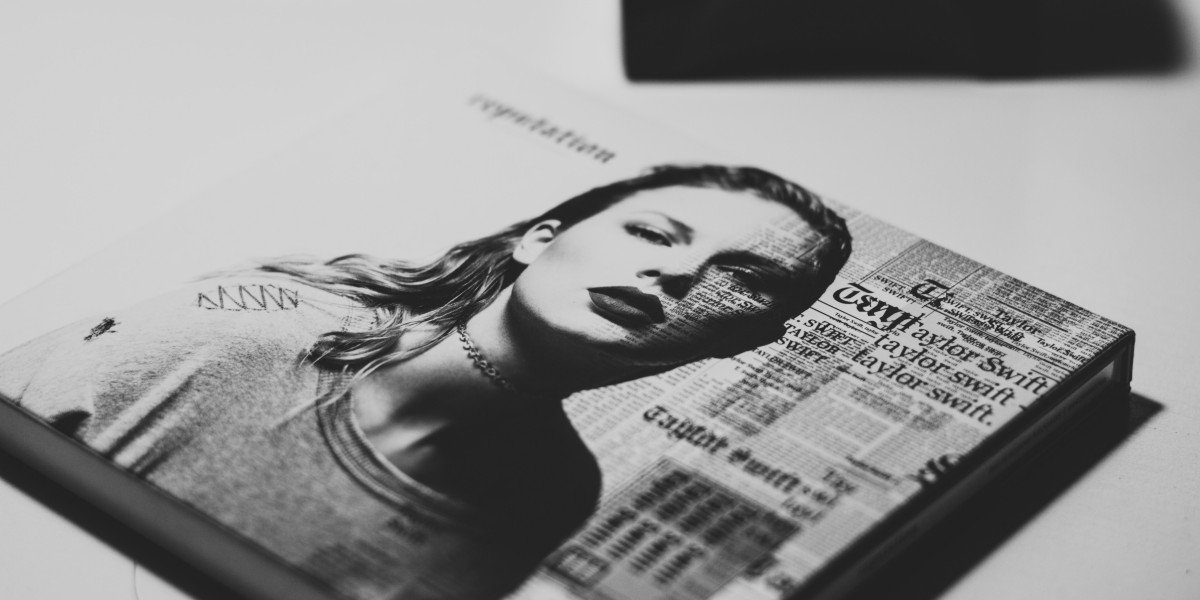
Taylor Swift’s End of an Era Docuseries Brings New Stories From the Tour

A New Look at Taylor Swift’s End of an Era Docuseries

Taylor Swift’s newest docuseries, titled Taylor Swift: The End of an Era, arrives with six episodes that open the door to the emotional and logistical work behind her record breaking tour. The release gives fans a closer look at the life she lived while traveling from city to city and balancing the pressure that came with such an enormous run. Instead of performances, the series focuses on what happened offstage, showing moments that normally remain private.

The docuseries premiered on December twelve, with Disney+ releasing the first two episodes at midnight Pacific time. The rest are scheduled to follow every Friday through December 26. This steady rollout gives viewers time to take in each episode rather than rushing through everything at once. Many fans appreciate the slower pace because it gives each part of the story its own weight and room to breathe.

The early episodes introduce the tone of the series. Swift talks openly about exhaustion, excitement, and the responsibility she felt while leading a large team across multiple countries. She explains how she handled the challenges of performing for thousands every night while still trying to maintain her sense of normal life. The openness in these scenes helps the documentary feel grounded and approachable.

Emotional Scenes That Shape the Story

One of the most talked about scenes shows Swift reacting to a terror plot that forced the cancellation of a Vienna concert. The moment captures her shock as she learns how close the attack came to harming fans and crew. She breaks down while trying to process the news, and viewers get a sense of how heavy the responsibility feels. The raw emotion in this scene stands out because it shows how deeply she values the safety of the people who come to see her.

Another emotional part of the series focuses on a knife attack near a fan event. Swift speaks through tears about the loss and the fear that followed. She reflects on how difficult it was to go onstage while carrying the weight of that tragedy. The documentary doesn’t frame these moments as dramatic highlights. Instead, they appear as parts of her real emotional experience, making the series feel honest rather than polished.

There are also quieter moments that add balance. In one scene, she shares a phone call with her fiancé, Travis Kelce, before a performance. She jokes that the call feels like a vitamin drip because it gives her energy before stepping onstage. This kind of detail helps viewers understand how much personal connection mattered during long stretches of travel and performance.

How The End of an Era Shows the Team Behind the Tour

Taylor Swift's End of an Era Docuseries Brings New Stories From the Tour

Photo Credit: Unsplash.com

The docuseries spends significant time with the dancers, band members, and crew who brought the Eras Tour to life each night. Viewers see how they prepared for shows, adapted to different stadiums, and handled the physical demands of constant travel. Their stories add depth to the series because they show the tour as a collective effort rather than something centered only on one person.

Friends and artists who joined Swift along the way also appear in multiple episodes. Gracie Abrams, Sabrina Carpenter, Ed Sheeran, and Florence Welch share short conversations and behind the scenes moments that offer extra context to the relationships shaped by music. These scenes give fans a look at how creative people support each other while juggling schedules and pressure.

The docuseries also includes a reunion in New York, where Swift met with her tour team to celebrate the series release. The atmosphere feels light and affectionate. People reflect on their favorite memories, laugh about unexpected mishaps, and acknowledge how intense the experience was for everyone involved. This gathering helps bring the storytelling full circle by showing how the people behind the tour stayed connected long after the final show.

Disney+ Releases a Concert Film Alongside the Series

Disney+ released a concert film called The Final Show on the same day the docuseries premiered. This film captures the last performance of the Eras Tour in Vancouver. Unlike the earlier concert movie, this version includes songs from her later album, which many fans were hoping to see performed onstage. The footage shows the energy of the crowd, the choreography, and the emotional weight Swift carried as she closed the tour.

Pairing the concert film with the docuseries creates a unique viewing experience. The film shows the polished, explosive version of the show. The series reveals the tired, thoughtful, and often vulnerable work behind it. Fans can move between the two formats and appreciate how different parts of the tour came together over time.

The release strategy also reflects the scale of the project. Releasing both pieces on the same day gives the audience two different ways to connect with the story. One focuses on spectacle. The other focuses on humanity. Together, they form a fuller picture of what the Eras Tour meant to Swift and the people around her.

What The End of an Era Reveals About Swift’s Mindset

Throughout the series, Swift speaks openly about the pressure of touring. She explains how tough it was to shift from performing for stadiums to sitting alone backstage only minutes later. The contrast between adrenaline and silence made it difficult to find balance. She describes feeling both grateful and drained, and those mixed emotions show up frequently in her commentary.

She also talks about her creative process. Some songs took on new meaning as the tour progressed, especially as personal events shaped how she interpreted certain lyrics. She explains how performing the same track hundreds of times made her hear it differently. Fans who follow her songwriting closely will likely appreciate this perspective because it offers insight into how her music grows with her experiences.

Another part of her mindset involves the sense of responsibility she carries. She reflects on how much planning goes into each show and how important it was for her to show up fully for her audience. Even though the tour was physically demanding, she says the connection with fans kept her grounded. These reflections help explain why The End of an Era feels personal rather than distant.

The Scale of the Tour and How the Documentary Shows It

The Eras Tour became known for its massive staging and intense logistical needs. The docuseries shows the trucks, equipment teams, engineers, and creative staff who worked long hours to keep the tour running. Viewers see late night setups, early morning sound checks, and quick adjustments that had to be made as the team moved across borders and climates.

The documentary also highlights the decisions Swift made around costumes, setlists, and pacing. Small changes in lighting, choreography, or transitions required planning from dozens of people. The series makes it clear how demanding it was to keep the show sharp while constantly traveling to new venues. It shows how each environment shaped the experience, from weather shifts to stadium layouts.

By showing these details, the docuseries helps fans understand the scope of the operation. It wasn’t just a tour. It was a coordinated effort involving hundreds of people working behind the scenes every day. Seeing that scale helps explain why the emotional weight of the tour appears so strongly throughout the episodes.

What Comes Next as The End of an Era Continues

The remaining episodes will continue to unfold across December. Each one is expected to explore more moments tied to Swift’s personal experiences, creative decisions, and reactions to events that shaped the year. Viewers can expect more behind the curtain stories that show how unpredictable tour life can be.

The ongoing release keeps the conversation active as fans discuss new scenes each week. Some episodes may touch on lighter moments, while others may dig into the emotional pressure of staying present during long stretches of travel. The mix will likely give the series a sense of depth and movement.

The pairing of The End of an Era with The Final Show creates a closing chapter for one of the biggest music events of the year. One project shows the celebration. The other shows the cost. Together, they help fans understand the full weight of the experience from Swift’s point of view.

How a New York Fashion Brand Can Announce a Collection with Impact

Why Press Releases Matter in Fashion

For fashion brands, a press release is more than a formal announcement. It is a tool that connects designers with editors, journalists, and influencers who shape public perception. A well-written release ensures that a new collection is not only noticed but also framed in a way that highlights its relevance to current style conversations.

According to NewswireJet, fashion press releases are most effective when they combine essential details with a sense of story. Editors receive hundreds of pitches daily, so clarity and focus are critical. A release that communicates the inspiration behind a collection, its availability, and its unique qualities stands a better chance of being published.

For New York-based brands, the stakes are higher. The city is a global fashion hub, and competition for attention is intense. A press release that balances creativity with professionalism can help a brand stand out in a crowded market.

Structuring the Announcement

The structure of a fashion press release follows a clear format. It begins with a headline that captures attention while remaining informative. For example, a headline might read “New York Label Debuts Fall 2025 Collection Inspired by Urban Architecture.” This immediately tells editors what the release is about and why it may interest their readers.

The opening paragraph should summarize the key points: the name of the brand, the collection being launched, and the central theme or inspiration. This section should be concise, giving editors the essential information quickly. The following paragraphs can expand on details such as materials used, design influences, or collaborations with artists or stylists.

The MarketersMedia guide emphasizes the importance of including practical details. These may include the launch date, retail availability, and whether the collection will be shown at an event or available online. Providing this information upfront makes it easier for journalists to cover the story accurately.

Visuals and Supporting Material

Fashion is a visual industry, and press releases are more effective when paired with strong imagery. High-resolution photos of key pieces, lookbooks, or behind-the-scenes shots from the design process can help editors visualize the collection. These images should be professional and aligned with the brand’s identity.

The Prezly fashion press release examples show how visuals can be integrated into announcements. Many successful releases include links to galleries or embedded media that showcase the collection in context. This approach allows journalists to access ready-to-use content, increasing the likelihood of coverage.

Supporting material such as designer quotes or short background notes can also add depth. These elements provide context without overwhelming the release. For example, a designer might explain how New York’s architecture influenced the collection, giving editors a narrative angle to work with.

Targeting Style and Lifestyle Publications

Reaching the right audience is as important as crafting the release itself. Fashion brands should identify which publications align with their aesthetic and target demographic. For a New York brand, this may include both local outlets and international style magazines.

Editors at lifestyle publications often look for stories that connect fashion to broader cultural themes. Highlighting how a collection reflects seasonal trends, sustainability efforts, or collaborations with artists can make the release more appealing. By framing the collection within these contexts, brands can increase their chances of securing coverage.

Distribution platforms and media databases can help ensure that the release reaches the right contacts. However, personalization remains important. Sending tailored pitches to key editors, along with the press release, demonstrates professionalism and increases engagement.

Building Long-Term Media Relationships

A single press release can generate attention, but long-term success depends on building relationships with media professionals. Consistency in communication helps establish trust. Brands that regularly share well-prepared releases are more likely to be taken seriously by editors.

Press releases also contribute to a brand’s broader narrative. Over time, they create a record of collections, collaborations, and milestones. This archive can be valuable for both media and consumers, reinforcing the brand’s identity and growth.

By treating press releases as part of an ongoing dialogue with the media, fashion brands can strengthen their presence in style and lifestyle publications. For New York labels, this approach ensures that each collection launch contributes to a larger story of creativity and relevance.


Disclaimer: This article is for informational purposes only and does not provide legal or professional advice. References to NewswireJet, MarketersMedia, and Prezly are based on publicly available sources and do not imply endorsement. Brands should ensure all press release claims are truthful, accurate, and substantiated in line with FTC advertising guidelines. Any endorsements or collaborations must include clear disclosures. Linked sources are provided for context only and do not represent sponsorship.

George Clooney Says He’s Done With On-Screen Kissing and Hollywood Is Paying Attention

George Clooney Makes His Stance on On-Screen Kissing Clear

George Clooney has spent decades as one of Hollywood’s most recognizable leading men. From romantic dramas to slick ensemble films, his on-screen chemistry was once part of his brand. That’s why his recent statement about no longer kissing female co-stars landed with such force across entertainment news.

In a recent interview, Clooney confirmed he has decided to stop doing on-screen kissing scenes. He framed the choice as personal, thoughtful, and long overdue. There was no controversy attached, no fallout, and no dramatic announcement. Just a calm acknowledgment that a chapter of his career has closed.

For audiences, the news feels both surprising and logical. Clooney isn’t rejecting acting or storytelling. He’s redefining how he wants to participate in it. That shift says as much about Hollywood as it does about him.

What Clooney Actually Said and How He Explained It

Clooney explained that his decision came after conversations with his wife, human rights attorney Amal Clooney. He spoke openly about age, family, and how he views himself on screen now. He referenced actor Paul Newman, who made a similar decision later in life after settling into a long marriage.

Rather than presenting the choice as a moral stance, Clooney treated it like a practical one. He acknowledged that playing romantic leads opposite much younger actresses no longer feels natural to him. The roles may still exist, but his interest in them does not.

He also joked about the passage of time, noting that future versions of himself would be far removed from the characters he once played. The humor softened the message, but the intent was clear. He’s done pretending he’s the same man he was in his forties.

How This Fits Into Clooney’s Career Timeline

Clooney’s career has already covered most of what actors chase. Box office hits, critical praise, awards, and cultural relevance all came early and often. Unlike stars still fighting for relevance, he has room to be selective.

Over the past decade, his roles have gradually shifted. He’s leaned more into directing, producing, and character driven stories. The romantic spark that once defined him has faded quietly rather than disappearing overnight.

This announcement simply puts words to what audiences have already seen. Clooney isn’t chasing charm anymore. He’s choosing roles that reflect where he is, not where casting expectations once placed him.

What This Means for Romantic Roles in Hollywood

George Clooney Says He’s Done With On-Screen Kissing and Hollywood Is Paying Attention (2)

Photo Credit: Unsplash.com

Clooney’s statement also highlights a broader pattern in Hollywood casting. Male actors often continue to play romantic leads well into their sixties and seventies. The industry rarely questions it, even when the age gap between co-stars grows uncomfortable.

By stepping away from on-screen kissing, Clooney is quietly challenging that norm. He’s not calling it out directly, but his decision removes himself from a system that rewards imbalance.

This could open space for new stories. Mature characters don’t need romance defined by physical intimacy to feel compelling. Emotional connection, shared history, and quiet tension can carry just as much weight.

Audience Reaction and Public Response

The public response has been mixed but largely respectful. Many fans praised Clooney for setting boundaries and aging with self awareness. Others found humor in his phrasing, particularly his use of the word girls instead of women.

Online reactions leaned playful rather than hostile. The story sparked jokes, memes, and thoughtful commentary rather than backlash. That tone reflects Clooney’s public image. He’s seen as approachable, reflective, and grounded.

The absence of outrage is notable. In another context, a statement like this might have triggered a heated debate. Instead, it landed as a calm personal update from a star who has little left to prove.

How This Affects Future Projects

Clooney hasn’t announced retirement, and this decision doesn’t limit him creatively as much as it may seem. Many compelling roles do not rely on romantic scenes. Political dramas, character studies, and ensemble projects remain wide open.

For casting directors, the message is clear. If a role depends on traditional romance, Clooney isn’t the fit. If the role values presence, depth, and authority, he remains an option.

This clarity may actually help his career. Boundaries simplify creative decisions and prevent mismatched expectations on set.

The Influence of Family on His Choices

Clooney has spoken often about how becoming a husband and father reshaped his priorities. His twins are still young, and he has scaled back work to spend more time at home.

That context matters. The decision about on-screen kissing is part of a larger recalibration. Fame no longer drives his choices. Time does.

Many actors talk about balance. Few act on it this visibly. Clooney’s career now moves at a pace set by personal life rather than industry pressure.

Hollywood’s Relationship With Aging Male Stars

Hollywood has long struggled with how to frame aging male stars. Some cling to youthful roles. Others disappear quietly. A smaller group adapts with intention.

Clooney appears to be choosing adaptation. He’s not rejecting his past, but he’s not recreating it either. That middle ground is rare and often difficult to maintain.

His decision invites conversation about how stories can better reflect aging without denial or exaggeration. Audiences are aging, too. Many welcome stories that feel honest rather than aspirational.

Why This Story Resonates Right Now

This moment resonates because it feels grounded. There’s no scandal. No branding exercise. Just a well known actor acknowledging limits and making peace with them.

In an industry built on illusion, that kind of honesty stands out. Clooney isn’t selling an image. He’s adjusting one.

For fans, it offers a reminder that careers don’t need to stretch endlessly in the same shape. Change doesn’t signal decline. Sometimes it signals control.

What Comes Next for Clooney

Clooney continues to act, direct, and produce. His creative influence remains intact. The difference is tone, not relevance.

Future roles will likely lean into authority, reflection, and complexity. Romance may still exist in his characters’ lives, just without physical expression.

That choice won’t diminish his legacy. If anything, it adds definition to it. George Clooney isn’t stepping back from Hollywood. He’s choosing how to stay in it on his own terms.