Celebrity News

Empowering Elegance: Embracing Diversity in Fashion

Celebrating Every Body

In the vast realm of fashion, a transformative shift is taking place. No longer confined by stereotypes, the industry is embracing diversity and body positivity. This article delves into the changing landscape, where every body shape and style is celebrated on the runway and in campaigns.

Fashion is evolving, acknowledging that beauty comes in all sizes. The celebration of curves is not just a trend but a movement towards inclusivity. Plus-size options and diverse sizing are becoming the norm, ensuring that everyone can revel in the joy of self-expression through style.

Breaking Stereotypes

The traditional norms of beauty are crumbling as fashion runways showcase a mosaic of models. Diverse representation is challenging preconceived notions, proving that beauty is a tapestry of sizes, skin tones, and ethnicities. The ageless elegance movement further challenges stereotypes, welcoming models of all ages into the spotlight.

Fashion campaigns are becoming a powerful tool for change. Authentic representation is taking center stage, with models proudly displaying scars, stretch marks, and imperfections. This authenticity extends to adaptive fashion, recognizing and catering to the diverse needs of individuals with disabilities.

Social Media’s Impact

Social media platforms are instrumental in reshaping societal beauty standards. Influencers and advocates championing body positivity use their platforms to influence a positive self-image. The #BodyPositivity movement gains momentum, fostering a global community that encourages self-love and acceptance.

Fashion is an art form, a reflection of individuality. Regardless of body shape or size, your style journey is uniquely yours. It’s about adorning yourself with what makes you feel confident and comfortable, navigating away from societal pressures and embracing the beauty of diversity.

As we traverse this transformative path in fashion, the vision is clear – beauty knows no boundaries. Every body is a canvas, and fashion is the brush that paints the portrait of diversity. The industry’s future is promising, emphasizing inclusivity and celebrating the inherent beauty that exists in every size and style. Let’s continue empowering elegance, breaking stereotypes, and forging a path towards a fashion world where everyone feels seen, valued, and beautiful.

Embrace Your Dark Side: Exploring Goth Fashion

Hey there, fellow dark souls! Are you ready to dive into the mysterious and alluring world of goth fashion? Whether you’re a seasoned goth aficionado or just dipping your toes into the dark waters, there’s something undeniably captivating about the aesthetic and culture of goth fashion. In this article, we’ll take a deep dive into the origins, evolution, and key elements of goth fashion, and discover how you can embrace your inner goth and express your unique style.

Brief History of Goth Fashion

Goth fashion emerged as a subculture in the late 1970s and early 1980s, inspired by gothic literature, music, and art. With its roots in punk and post-punk music scenes, goth fashion was characterized by its dark, romantic aesthetic and its rejection of mainstream trends. Early goths embraced dramatic makeup, elaborate hairstyles, and DIY fashion, creating a look that was both edgy and elegant.

Key Elements of Goth Fashion

While goth fashion has evolved over the years, there are several key elements that remain central to the aesthetic. These include:

  • Black Clothing: The cornerstone of goth fashion, black clothing is a must-have for any aspiring goth. From flowing dresses and lace tops to leather jackets and platform boots, black is the go-to color for goths of all ages.
  • Dramatic Makeup: Goth makeup is all about making a statement. Think dark, smoky eyes, pale skin, and bold lipstick in shades of black, burgundy, or deep purple. Don’t be afraid to experiment with bold colors and avant-garde techniques to create a look that’s uniquely you.
  • Victorian and Romantic Influences: Many goths draw inspiration from Victorian fashion, incorporating elements like corsets, lace, and ruffles into their wardrobe. Romantic flourishes such as velvet, satin, and chiffon add a touch of elegance and allure to goth outfits.
  • Accessories: No goth look is complete without the right accessories. From chokers and fishnet stockings to silver jewelry and statement belts, accessories play a key role in adding depth and dimension to goth fashion. Don’t forget to accessorize with chains, spikes, and other edgy embellishments for an extra dose of attitude.

Evolution of Goth Fashion

Over the years, goth fashion has evolved and diversified, branching out into various subgenres and styles. From traditional goth and cybergoth to nu goth and pastel goth, there’s a goth style for every taste and preference. Modern goths are known for their eclectic mix of influences, blending elements of vintage fashion, streetwear, and alternative subcultures to create a look that’s uniquely their own.

Whether you’re a seasoned goth or just starting to explore the dark side, embracing goth fashion is all about self-expression and creativity. Don’t be afraid to experiment with different styles, mix and match different pieces, and put your own unique spin on goth fashion. Remember, goth fashion is about embracing your individuality and celebrating what makes you unique.

Where to Find Goth Fashion

Ready to update your wardrobe with some goth-inspired pieces? Fortunately, there are plenty of options available, both online and in stores. From specialty goth boutiques and alternative fashion brands to thrift stores and DIY projects, there’s no shortage of places to find goth fashion that speaks to your style and budget. Be sure to explore online marketplaces, social media platforms, and local events for even more inspiration and opportunities to connect with fellow goths.

Goth fashion is more than just a style – it’s a lifestyle and a form of self-expression. Whether you’re drawn to the dark and dramatic or the whimsical and romantic, there’s a place for you in the diverse and vibrant world of goth fashion. So embrace your inner goth, unleash your creativity, and let your style shine!

Diverse Modeling Opportunities: From Runway to Real-World

The world of modeling is a colorful and exciting place, with many different paths to explore for people with all sorts of talents and passions. Modeling is not only about walking on a runway; it’s a diverse field with many different options, each with its own special qualities and needs. Let’s take a closer look at some of the most common types of modeling and what they involve.

Fashion and runway modeling is probably the most exciting and famous part of the modeling world. These models walk the runways at big fashion events around the world, showing off the newest clothes from famous designers. It’s a glamorous job, but it’s also very competitive. To be successful in this type of modeling, you usually need to be tall and have specific body measurements. You also need to be confident and have a strong presence on the runway so you can really capture everyone’s attention.

Commercial modeling, on the other hand, is more versatile and accessible. Commercial models are the faces you see in advertisements, catalogs, brochures, and various other marketing materials. They represent brands and products, often promoting a lifestyle or image. This type of modeling welcomes a broader range of body types and looks, as it caters to diverse consumer demographics.

Editorial modeling is like telling a story with pictures. These models appear in fashion magazines and special photo spreads, where they bring to life a certain idea or feeling. They work hand-in-hand with photographers and stylists, using their poses and expressions to create interesting and engaging stories that draw people in.

Fitness modeling is about celebrating a strong, healthy body and an active way of life. These models are the picture of fitness, with toned muscles and a physique that shows they work hard. You’ll often see them in magazines about fitness, advertisements for athletic wear, and other materials related to sports and exercise. Fitness models inspire others by showing what’s possible with dedication and hard work, encouraging people to get moving and embrace a healthy lifestyle.

The modeling world is full of different paths to explore, not just the main ones we talked about. There are many smaller, specialized areas of modeling, like parts modeling (where you focus on your hands, feet, or legs), plus-size modeling (for models with larger body types), mature modeling (for older models), and even pet modeling! Each of these areas has its own special requirements and can be a great opportunity for models who fit those needs.

If you’re dreaming of becoming a model, it’s really important to do your research and learn about all the different options out there. Think about what you’re interested in, what you’re good at, and what you hope to achieve. Once you know what kind of modeling you want to do, you can start building a strong portfolio, which is a collection of your best photos. You can also start meeting people in the industry and making connections. And remember, always be professional and work hard – it’s a competitive field, but with the right attitude and effort, you can succeed in this fun and ever-changing industry.

Email Marketing: Engaging Your Audience and Driving Conversions

Understanding Email Marketing

In today’s digital age, email marketing remains one of the most effective tools for engaging with your audience, nurturing leads, and driving conversions. With its ability to deliver targeted messages directly to subscribers’ inboxes, email marketing allows businesses to build relationships, promote products or services, and ultimately, increase revenue. In this article, we’ll explore the key components of email marketing and how businesses can leverage this powerful tool to achieve their marketing goals.

Email marketing involves sending commercial messages to a group of people via email. These messages can vary in content and purpose, including promotional offers, newsletters, product updates, event invitations, and more. The goal of email marketing is to engage recipients, provide value, and ultimately, encourage them to take a desired action, such as making a purchase, signing up for a webinar, or downloading a resource.

Building Your Email List

The foundation of successful email marketing is a quality email list comprised of individuals who have opted in to receive communications from your business. Building an email list involves capturing leads through various channels, such as your website, social media platforms, events, and lead magnets (e.g., free ebooks, webinars, or discounts). It’s essential to obtain consent from subscribers and comply with relevant regulations, such as GDPR and CAN-SPAM, to ensure legal and ethical email marketing practices.

Once you have an email list, the next step is to create compelling content that resonates with your audience. Whether you’re sending promotional emails, newsletters, or transactional messages, your content should be relevant, valuable, and engaging. This may include personalized product recommendations, educational resources, customer testimonials, and exclusive offers. Incorporating eye-catching visuals, concise copy, and clear calls-to-action can help increase click-through rates and conversions.

Segmentation and Personalization

Segmentation involves dividing your email list into smaller, more targeted groups based on specific criteria, such as demographics, purchase history, or engagement level. By segmenting your audience, you can deliver highly relevant and personalized content that speaks directly to their interests and needs. Personalization goes beyond addressing recipients by name; it includes tailoring content, subject lines, and offers to match each segment’s preferences and behaviors.

Email automation allows you to streamline your marketing efforts by sending timely and relevant messages to subscribers based on predefined triggers or actions. This includes welcome emails, abandoned cart reminders, birthday greetings, and re-engagement campaigns. By setting up automated workflows, you can nurture leads, maintain customer relationships, and drive conversions with minimal manual intervention.

Analyzing Performance and Optimization

To measure the effectiveness of your email marketing efforts, it’s essential to track key metrics such as open rates, click-through rates, conversion rates, and unsubscribe rates. Analyzing these metrics provides valuable insights into the performance of your campaigns and helps identify areas for improvement. Experimenting with different subject lines, content formats, and sending times allows you to optimize your email campaigns for better results over time.

When conducting email marketing, it’s crucial to adhere to industry best practices and legal requirements to maintain trust and credibility with your audience. This includes obtaining permission from subscribers, providing clear opt-out mechanisms, and respecting unsubscribe requests. Additionally, following email deliverability best practices, such as maintaining a clean email list, avoiding spammy tactics, and using reputable email service providers, can help ensure that your messages reach recipients’ inboxes.

Email marketing remains a powerful and cost-effective tool for businesses to engage with their audience, drive conversions, and build lasting relationships. By focusing on building a quality email list, creating compelling content, segmenting and personalizing messages, leveraging automation, analyzing performance metrics, and adhering to best practices, businesses can unlock the full potential of email marketing to achieve their marketing objectives and grow their bottom line.

Effective Marketing: How to Promote Yourself as a Rising Star

What is Effective Marketing for a Rising Star?

Effective marketing is crucial for anyone looking to establish themselves as a rising star in their field. Whether you’re an aspiring artist, entrepreneur, or professional, promoting yourself effectively can significantly boost your visibility and credibility. The goal is to create a personal brand that resonates with your target audience and sets you apart from the competition. This involves understanding your unique value proposition, leveraging social media, and consistently delivering high-quality content that showcases your skills and personality.

Building a strong personal brand starts with self-awareness. You need to identify your strengths, passions, and the qualities that make you unique. This self-awareness will help you craft a compelling narrative that highlights your journey, achievements, and goals. Your personal brand should reflect your authentic self, making it easier for people to connect with you on a deeper level.

Once you have a clear understanding of your brand, it’s essential to communicate it effectively across various platforms. This includes creating a professional website, maintaining an active presence on social media, and engaging with your audience through regular content updates. The key is to be consistent and authentic, ensuring that your messaging aligns with your brand values and resonates with your audience.

How Can Social Media Help You Promote Yourself?

Social media is a powerful tool for self-promotion, offering a platform to reach a global audience and build a community around your brand. Platforms like Instagram, Twitter, LinkedIn, and TikTok allow you to showcase your work, share your story, and connect with potential fans, clients, or employers. Here are some strategies to effectively use social media to promote yourself:

  1. Choose the Right Platforms: Not all social media platforms are created equal. Identify the platforms where your target audience is most active and focus your efforts there. For example, if you’re a visual artist, Instagram and TikTok might be more effective, while LinkedIn could be better for professionals and entrepreneurs.
  2. Create Engaging Content: Content is king in the digital world. Share high-quality content that reflects your expertise and personality. This can include blog posts, videos, podcasts, infographics, and more. The goal is to provide value to your audience and keep them engaged.
  3. Engage with Your Audience: Social media is not just about broadcasting; it’s also about building relationships. Respond to comments, participate in discussions, and show appreciation for your followers. Engaging with your audience helps build a loyal community and increases your visibility.
  4. Collaborate with Influencers: Partnering with influencers or other rising stars in your field can help you reach a broader audience. Collaborations can take many forms, such as guest blogging, joint social media campaigns, or co-hosting events.
  5. Analyze and Adjust: Use analytics tools to track your performance on social media. Pay attention to metrics like engagement rates, follower growth, and content reach. This data will help you understand what’s working and what’s not, allowing you to adjust your strategy accordingly.

What Are Some Tips for Creating a Personal Brand?

Creating a personal brand involves more than just marketing; it’s about building a reputation that people trust and admire. Here are some tips to help you develop a strong personal brand:

  1. Define Your Brand Identity: Clearly articulate your mission, vision, and values. Understand what you stand for and what you want to achieve. This clarity will guide all your branding efforts.
  2. Tell Your Story: People connect with stories more than they do with facts and figures. Share your journey, the challenges you’ve faced, and the successes you’ve achieved. Your story should highlight your unique qualities and make you relatable.
  3. Be Authentic: Authenticity is key to building trust. Be genuine in your interactions and stay true to yourself. Authenticity resonates with people and helps build long-lasting relationships.
  4. Showcase Your Expertise: Establish yourself as an authority in your field by sharing your knowledge and skills. This can be through writing articles, speaking at events, or offering online courses. Demonstrating your expertise helps build credibility and trust.
  5. Network Effectively: Building a personal brand is not just about online presence; it’s also about real-world interactions. Attend industry events, join professional groups, and network with peers. Building relationships within your industry can open up new opportunities and enhance your reputation.
  6. Stay Consistent: Consistency is crucial in maintaining your brand’s integrity. Ensure that your messaging, visuals, and tone of voice are consistent across all platforms. This helps reinforce your brand identity and makes you easily recognizable.

Effective marketing is essential for promoting yourself as a rising star. By understanding your unique value, leveraging social media, and building a strong personal brand, you can enhance your visibility and credibility. Remember, the key is to be authentic, consistent, and engaging in all your promotional efforts.

Elevating Your Fashion Shoots: Harnessing the Power of Projectors

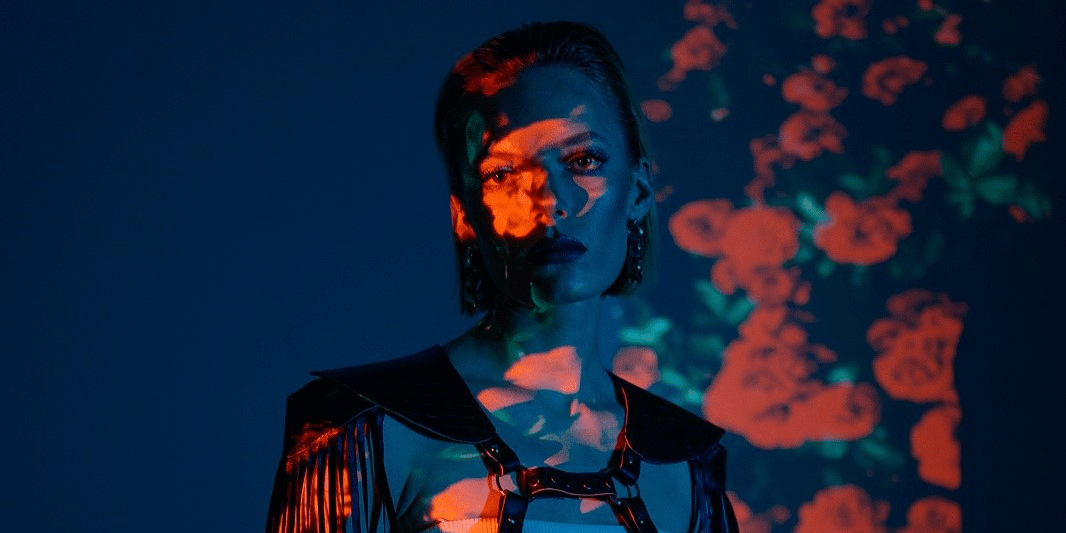
Fashion photography is all about creativity and innovation, and one exciting way to take your shoots to the next level is by incorporating projectors. Projectors can add a unique and dynamic element to your images, creating visually stunning backdrops, patterns, and textures that enhance the overall aesthetic of your fashion shoots. In this article, we’ll explore how to effectively utilize projectors in your fashion shoots to create captivating and memorable images.

1. Choose the Right Projector

The first step in incorporating projectors into your fashion shoots is selecting the right equipment. Look for a projector with a high brightness rating, as this will ensure that the projected images are vibrant and visible, even in well-lit environments. Consider the size and weight of the projector, as well as its compatibility with different devices and accessories, such as laptops or smartphones.

2. Plan Your Projection

Before the shoot, take the time to plan out how you’ll use the projector to enhance your images. Consider the mood and theme of the shoot, as well as the specific visual elements you want to incorporate, such as patterns, textures, or colors. Create a storyboard or mood board to visualize your ideas and ensure that the projected images complement the overall aesthetic of the shoot.

3. Set Up Your Scene

Once you have a clear plan in place, it’s time to set up your scene for the shoot. Position the projector in the desired location, ensuring that it’s securely mounted and angled correctly to project images onto the desired surface. Experiment with different distances and angles to achieve the desired size and clarity of the projected images.

4. Experiment with Projections

Don’t be afraid to get creative and experiment with different types of projections to achieve the desired effect. You can project images, videos, patterns, or even text onto backgrounds, models, or props to create visually interesting and dynamic compositions. Play with opacity, blending modes, and layering techniques to integrate the projected images seamlessly into your photos.

5. Consider Lighting and Exposure

When using projectors in fashion shoots, it’s important to consider the lighting conditions and exposure settings to achieve the best results. Adjust the ambient lighting in the scene to complement the projected images, ensuring that they’re visible and well-balanced with the rest of the composition. Experiment with exposure settings, such as shutter speed and ISO, to achieve the optimal exposure for both the projected images and the overall scene.

6. Direct Your Models

As with any fashion shoot, directing your models effectively is crucial for capturing compelling and visually engaging images. Provide clear direction and guidance to your models, instructing them on how to pose, move, and interact with the projected images. Encourage them to experiment with different poses and expressions to convey mood and emotion in the photos.

7. Incorporate Props and Accessories

Incorporating props and accessories can further enhance the impact of the projected images in your fashion shoots. Experiment with different props, such as mirrors, fabrics, or reflective surfaces, to create interesting visual effects and reflections. Consider how the projected images interact with the props and accessories to create depth and dimension in the photos.

8. Edit and Enhance in Post-Production

After the shoot, take the time to review and edit your images in post-production to further enhance the impact of the projected images. Experiment with editing software such as Adobe Photoshop or Lightroom to adjust colors, contrast, and saturation, and to fine-tune the overall look and feel of the photos. Consider adding additional visual effects or overlays to create a unique and artistic aesthetic.

9. Practice and Experiment

Like any new technique, incorporating projectors into your fashion shoots requires practice and experimentation to master. Take the time to experiment with different projection techniques, settings, and compositions to discover what works best for your style and vision. Don’t be afraid to push the boundaries and try new ideas to create truly unique and memorable images.

10. Collaborate and Learn

Finally, don’t hesitate to collaborate with other creative professionals and learn from their experiences and expertise. Reach out to other photographers, designers, or artists who have experience using projectors in their work, and ask for advice, feedback, and inspiration. By collaborating and sharing knowledge, you can continue to refine your skills and push the boundaries of your creativity.

In Summary

Projectors offer a unique and versatile tool for enhancing your fashion shoots and creating visually stunning images that stand out from the crowd. By choosing the right equipment, planning your projections carefully, and experimenting with different techniques and compositions, you can harness the power of projectors to elevate your fashion photography to new heights. With practice, patience, and a willingness to push the boundaries of creativity, you can create captivating and memorable images that leave a lasting impression on viewers.

Cryotherapy: Worth the Shivers?

How Does Cryotherapy Work?

Cryotherapy, the practice of exposing your body to sub-zero temperatures for a few short minutes, is touted by proponents as a cure-all for everything from sore muscles to inflammation and even depression. Images of people in bathing suits shivering inside what looks like a futuristic icebox are enough to intrigue and perhaps cause a twinge of skepticism. So, is cryotherapy a wellness miracle or just an expensive way to get the chills?

The idea behind cryotherapy is that exposing your body to extreme cold (we’re talking temperatures ranging from -200 to -300 degrees Fahrenheit) shocks your system, triggering a cascade of beneficial reactions. Your blood vessels constrict, reducing inflammation, then dilate when you rewarm, flushing out toxins and delivering a hefty dose of oxygenated blood. Proponents claim this process speeds up muscle recovery, reduces pain, and can even boost your mood and improve sleep.

Before stepping into the cryotherapy chamber, you’ll strip down to your underwear (sometimes a robe and protective socks are provided). The session itself is mercifully short, typically lasting 2-3 minutes. Liquid nitrogen (or similarly frosty technology) is pumped into the chamber, creating an icy environment that would make Elsa from Frozen feel right at home. While the air temperature is extreme, because it’s a dry cold, most people find it surprisingly tolerable, if not exactly relaxing.

Celebrities and athletes swear by cryotherapy, but is it all hype? The science is still developing, with some promising small-scale studies pointing to potential benefits for muscle recovery and reducing inflammation related to conditions like arthritis. However, larger, more rigorous studies are needed to fully understand the wider applications and long-term effects of cryotherapy. “It’s important to remember that cryotherapy is still in its early stages as a treatment modality,” cautions a sports medicine physician. “More research is needed to fully understand its benefits and potential risks.”

Is Cryotherapy Safe?

Let’s be real: cryotherapy isn’t for the faint of heart. While it’s generally considered safe for most people, there are a few things to consider before taking the plunge. Firstly, that extreme cold can cause skin irritation, or worse, frostbite, if you’re not careful. That’s why reputable cryo places have strict protocols in place. If you have health issues like heart problems or high blood pressure, cryotherapy could be a risky proposition. “It’s not a free-for-all,” cautions a wellness practitioner. “Always check in with your doctor first, especially if you have any medical concerns.”

Another thing to consider is the price tag. Cryotherapy ain’t cheap – think upwards of $100 for a few minutes of extreme chill. Plus, the effects don’t last forever, so for real results, you’re likely looking at multiple sessions. This adds up quickly! If you’re on a tight budget, there are probably more cost-effective ways to manage muscle aches or get an endorphin boost.

So, should you do it? That depends on your goals and your overall health. Athletes dealing with intense training or people managing chronic pain might see enough benefits to make it worthwhile. However, if you’re looking for a quick fix for weight loss or some kind of miracle cure-all, cryotherapy likely won’t live up to those expectations. Consider it an intriguing wellness trend, but like with most things, do your research and proceed with caution (and maybe a warm blanket for after)!

Design Process for Fashion Accessories

Understanding the Market and Trends

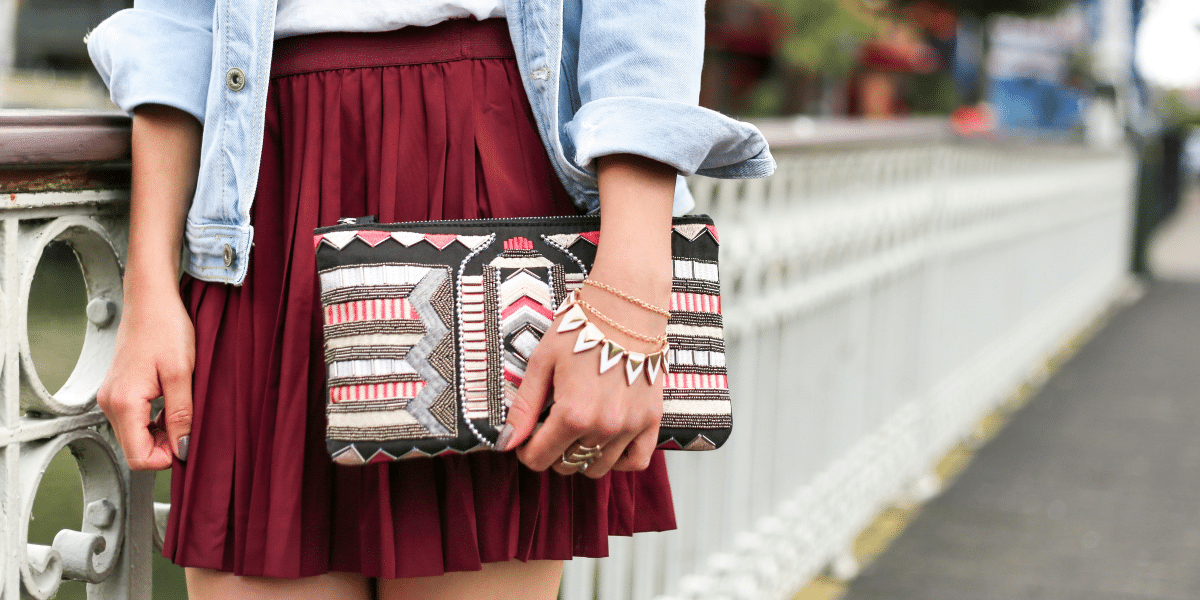
Fashion accessories play a vital role in completing an outfit and expressing personal style. From statement jewelry to stylish handbags, each accessory is carefully designed to enhance the overall look and add flair to the wearer’s ensemble. In this article, we’ll explore the design process for fashion accessories, from initial concept to finished product.

Before diving into the design process, fashion designers must conduct thorough research to understand current market trends and consumer preferences. This involves analyzing fashion magazines, attending trade shows, and studying the latest runway collections to identify emerging styles, colors, and materials.

Conceptualization and Inspiration

The design process often begins with inspiration drawn from various sources such as nature, art, culture, or historical references. Designers may create mood boards, sketch ideas, or gather swatches of fabric to visually communicate their vision for the collection. During this phase, designers explore different concepts and refine their ideas to align with the brand’s aesthetic and target audience.

Once the concept is finalized, designers move on to selecting materials and components for the accessories. This involves sourcing high-quality fabrics, metals, gemstones, and other embellishments that best complement the design. Designers may experiment with different textures, colors, and finishes to achieve the desired look and feel for each accessory.

Technical Design and Prototyping

With materials in hand, designers translate their ideas into technical drawings and specifications for the production process. This includes creating detailed sketches, CAD (computer-aided design) renderings, and technical specifications that outline dimensions, construction methods, and assembly techniques. Prototyping is often used to test the design’s feasibility and make necessary adjustments before moving to production.

Once the technical designs are finalized, samples of the accessories are created for testing and evaluation. Designers work closely with manufacturers and artisans to bring their designs to life, overseeing the production process to ensure quality and consistency. Samples are rigorously tested for durability, functionality, and aesthetic appeal to ensure they meet the brand’s standards and customer expectations.

Refinement and Iteration

Throughout the design process, designers continuously refine and iterate on their designs based on feedback from stakeholders, market research, and testing results. This may involve making adjustments to the silhouette, proportions, or embellishments to enhance the overall design and address any issues that arise during prototyping and testing.

Once the final designs are approved, production begins on a larger scale. Manufacturers and artisans carefully craft each accessory, following the technical specifications provided by the designer. Quality control measures are implemented at every stage of production to ensure that the finished products meet the brand’s standards for craftsmanship, materials, and design integrity.

Marketing and Presentation

As the production process nears completion, designers focus on marketing and presentation strategies to promote their accessories to consumers. This may involve creating lookbooks, organizing photo shoots, and developing marketing campaigns to showcase the accessories in their best light. Social media, influencer partnerships, and fashion events are also used to generate buzz and drive sales.

The design process for fashion accessories is a dynamic and creative journey that involves inspiration, innovation, and meticulous attention to detail. From concept to creation, designers work tirelessly to bring their vision to life, crafting accessories that not only elevate an outfit but also reflect the unique personality and style of the wearer. By understanding market trends, harnessing creative inspiration, and embracing quality craftsmanship, fashion designers can create accessories that captivate and inspire consumers around the world.

Creating Viral Content: Utilizing YouTube, TikTok, and Instagram to Gain Followers

Creating viral content is a powerful way to gain followers and build your online presence. Platforms like YouTube, TikTok, and Instagram offer unique opportunities to reach a wide audience with engaging and shareable content. This article will explore effective strategies for utilizing these platforms to create viral content and attract more followers.

What Makes Content Go Viral on YouTube?

YouTube is one of the largest video-sharing platforms in the world, and creating viral content here can significantly boost your visibility and subscriber count. To make your content go viral on YouTube, focus on creating videos that are engaging, relatable, and visually appealing.

The first step is to understand your target audience. Knowing who you are creating content for will help you tailor your videos to their interests and preferences. Research trending topics in your niche and try to create content that resonates with what people are currently interested in. For example, if you run a fitness channel, you might want to create videos on the latest workout trends or diet tips.

Another crucial factor is the quality of your videos. Invest in good equipment and editing software to ensure your videos look professional. High-quality visuals and clear audio can make a significant difference in retaining viewers and encouraging them to share your content. Additionally, compelling thumbnails and catchy titles can attract clicks and boost your video’s visibility on the platform.

Engagement is key to making your videos go viral. Encourage viewers to like, comment, and share your videos. Respond to comments and engage with your audience to build a community around your channel. Collaborating with other YouTubers can also expand your reach and introduce your content to new audiences. Lastly, optimize your videos for search by using relevant keywords in your titles, descriptions, and tags to increase discoverability.

How Can TikTok Be Used to Create Viral Content?

TikTok has taken the social media world by storm with its short-form video content, making it an excellent platform for creating viral content. The app’s algorithm favors content that quickly grabs the viewer’s attention and encourages engagement, so creativity and timing are crucial.

To create viral content on TikTok, start by participating in popular challenges and trends. These often come with specific hashtags that can increase the visibility of your videos. Creating your own unique take on a trending challenge can make your content stand out and encourage others to engage with it.

Music plays a significant role on TikTok, so use popular and trending songs in your videos. The app offers a vast library of music and sound effects that you can incorporate to make your content more appealing. Syncing your actions to the beat of the music can create a more engaging and entertaining experience for viewers.

Storytelling is another powerful tool on TikTok. Use the short video format to tell a compelling story or deliver a message that resonates with your audience. Whether it’s a funny skit, a heartwarming moment, or an informative tip, concise and impactful storytelling can drive shares and increase your reach.

Consistency is key to building a following on TikTok. Posting regularly and at optimal times can help keep your audience engaged and attract new followers. Additionally, interacting with your viewers by responding to comments and collaborating with other TikTok creators can further boost your engagement and visibility.

What Strategies Can Increase Followers on Instagram?

Instagram is a visual platform that offers multiple ways to create viral content and gain followers, including photos, videos, Stories, and Reels. To increase your followers on Instagram, focus on creating high-quality, visually appealing content that encourages interaction.

A cohesive and aesthetically pleasing feed can attract more followers. Use consistent colors, themes, and filters to create a visually harmonious profile that stands out. High-quality images and videos are more likely to be shared, increasing your content’s reach.

Instagram Stories and Reels are powerful tools for engagement. Stories allow you to share behind-the-scenes content, quick updates, and interactive elements like polls and questions. Reels, similar to TikTok videos, offer a platform for creative and entertaining short videos. Both features can increase your visibility and keep your audience engaged.

Using hashtags effectively can also boost your content’s reach. Research popular and relevant hashtags in your niche and include them in your posts. This increases the chances of your content being discovered by users interested in those topics.

Engagement is crucial on Instagram. Like and comment on other users’ posts, respond to comments on your own posts, and collaborate with influencers or brands in your niche. Hosting giveaways or contests can also drive engagement and attract new followers.

Creating viral content on YouTube, TikTok, and Instagram involves understanding your audience, producing high-quality and engaging content, and leveraging each platform’s unique features. By participating in trends, using popular music, telling compelling stories, and interacting with your audience, you can increase your chances of going viral and gaining more followers. Whether you’re a seasoned content creator or just starting, these strategies can help you build a strong online presence across these powerful platforms.

Crafting Your Winning Social Media Strategy

In our modern, digital world, a smart and effective social media strategy is crucial for everyone, from individuals to big companies. It’s not just about sharing the latest news or updates; it’s about creating a space where people feel connected, getting your audience interested and involved, and making sure you look good online. When done right, a strong social media strategy can make your message louder, help more people find you, and even increase your sales or influence.

Think of it like building a house. You need a solid foundation (knowing your target audience), strong walls (engaging content), and a beautiful roof (a well-managed online reputation). Each part is important to create a space where people want to visit and stay.

A good social media strategy isn’t a one-and-done deal. It’s a constant process of learning and adapting. The online world is always changing, so your strategy should too. But with the right tools and understanding, you can use social media to reach your goals, whatever they may be.

The foundation of any social media strategy is understanding your target audience. Who are you trying to reach? What are their interests? Once you know who you’re talking to, you can tailor your content to resonate with them. This involves creating engaging content that is relevant, informative, or entertaining, depending on your goals and your audience’s preferences.

Building Your Community

Growing a loyal following on social media isn’t an overnight success story. It requires patience, consistent effort, and a focus on delivering value to your audience. Think of it as nurturing a garden: you need to plant the right seeds (compelling content), water them regularly (consistent posting), and give them the right amount of sunlight (engagement).

Value can take many forms. It could be a thought-provoking article that sparks a conversation, a behind-the-scenes look that gives your audience a glimpse into your world, or a live Q&A session where you answer their burning questions. By providing content that your audience finds interesting, informative, or entertaining, you’re giving them a reason to follow you and keep coming back for more.

But it’s not just about posting great content. It’s about building relationships. When you actively engage with your followers by responding to comments and messages, you’re showing that you value their input and appreciate their support. This two-way communication fosters a sense of community and loyalty, turning your followers into true fans who are invested in your journey.

Creating Compelling Content

The heart of any social media strategy is the content you create. High-quality visuals, captivating videos, and well-written captions are all essential elements. Experiment with different formats to see what resonates best with your audience. Remember, the goal is not just to get likes and shares, but to create a meaningful connection with your followers.

In the world of social media, your online reputation is everything. Monitor your social media channels for mentions of your brand or name. Respond promptly to both positive and negative feedback. Address any concerns or complaints professionally and transparently. By actively managing your online reputation, you can build trust and credibility with your audience.

Measuring and Adapting

A successful social media strategy is not a one-time effort, but an ongoing process. Regularly analyze your social media metrics to see what’s working and what’s not. Track your engagement rates, reach, and conversions. Use these insights to refine your strategy and continually improve your results. Remember, social media is constantly evolving, so your strategy should too.

By focusing on building a following, creating engaging content, and managing your online reputation, you can harness the power of social media to achieve your goals. Whether you’re an aspiring influencer, a small business owner, or a large corporation, a well-crafted social media strategy is a valuable asset in today’s digital landscape.