Vertical storytelling has moved from a social media habit into a serious part of screen entertainment. Viewers now discover stories through phones, feeds, clips, creator pages, and direct shares. This shift changes how actors think about timing, expression, and connection. For Wasim Azeez, the change is not a break from traditional acting. It is a new framing for the same core task: telling the truth from a character’s perspective.
Audiences now watch stories in shorter formats across mobile platforms. Many people discover new performers, series, scenes, and creative voices through social feeds before they see them in longer formats. This has changed how screen stories reach viewers. It has also changed what actors must prepare for when they step in front of the camera.
Why Vertical Stories Fit Modern Viewing
Vertical video works because it fits the device that many viewers already use. It does not ask the audience to turn the phone, change context, or leave the feed. The story meets them where they are. This makes the first seconds vital. A scene must establish tone, conflict, and character with clear visual choices.
Wasim Azeez sees this shift through the lens of craft. “There’s a real shift toward vertical and short-form storytelling, and I’ve been fortunate to step into that space early. What’s interesting is that while the format is evolving, the responsibility as an actor doesn’t change; you still have to create something truthful, just with more precision and immediacy.”
That view matters because vertical storytelling can look simple from the outside. In practice, it demands control. Actors work with tighter framing. Small facial changes carry more weight. A pause can feel long on a phone screen. A line must land quickly without feeling rushed.
From Festival Screens to Phone Screens

Wasim Azeez has built his career across film, television, and theater. He is a multilingual actor known for emotionally grounded roles across cultures. His stage work includes a Best Performance nomination in Off Off Broadway work at the American Theater of Actors for a production voted Best Show of 2025 by TheaterScene. His screen work has reached audiences through the indie festival circuit.
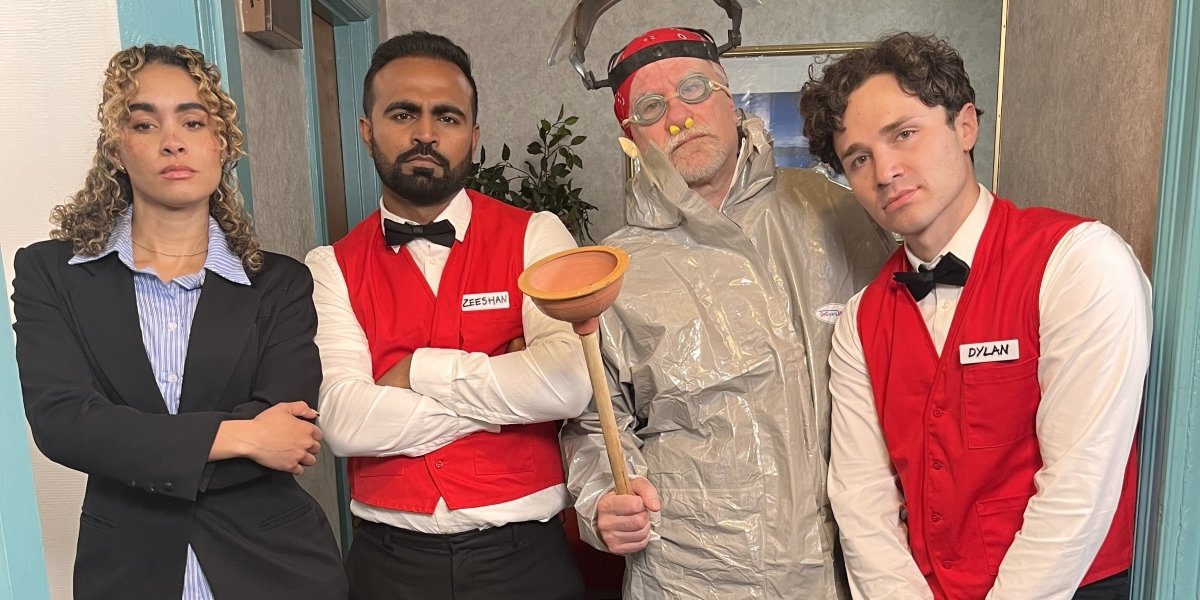
That background gives him a practical base for new formats. The Cineplex, an internationally recognized TV pilot featuring Azeez, has screened across India, Canada, and the United States. The project earned nominations for Best Comedy Duo at NYC WebFest and Best Supporting Actor at LA WebFest. In the information provided for this article, the project has screened at nine national and international film festivals.
Festival work often values patience, ensemble rhythm, and layered character arcs. Vertical content often values direct entry into a moment. The challenge for actors is to keep the emotional detail while adjusting the delivery. Wasim Azeez works in that space where the tools change but the actor’s inner work remains steady.
What Short Form Requires From Actors
Short-form performance depends on precision. The actor has less time to earn trust. Each scene must communicate who the character is, what they want, and why the viewer should keep watching. This does not mean acting becomes smaller in purpose. It means the actor must remove excess.
In a vertical frame, the face often becomes the center of the scene. Eye focus, breath, and reaction timing can shape the viewer’s response. A performer must understand the camera as an intimate partner. The screen is close to the viewer’s hand, which can make weak choices easier to notice.
Wasim Azeez brings stage and screen training into that environment. Theater builds stamina and listening. Film builds restraint. Television builds continuity. Vertical short form adds another skill, quick emotional entry. It asks the actor to arrive prepared, clear, and open.
The Role of Social Platforms in Story Discovery
Audience behavior has changed because discovery has changed. Viewers often find new projects through clips, shared scenes, creator pages, and mobile video platforms. This affects how people follow performers, discuss stories, and connect with characters.
Flash in the Pan reflects this direction. The project placed Wasim Azeez in collaboration with Samantha Gongol, a 2× platinum recording artist, stepping into acting through vertical short-form content distributed directly through social media. That kind of project shows how music, acting, and platform-based storytelling can meet in a direct audience channel.
Bridging Traditional and Emerging Formats

The useful question is not whether vertical stories will replace traditional formats. They can sit beside them. Long-form film allows space for slow development. Theater offers a live exchange. Television gives room for recurring characters. Vertical content offers fast contact and direct audience response.
Wasim Azeez stands at the crossing point of these forms. His body of work includes festival films, an internationally traveling pilot, theater recognition, and emerging screen formats. That range gives him insight into what stays constant. Characters still need a motive. Scenes still need stakes. Viewers still respond to truth.
For actors, this shift creates practical lessons. They need to understand framing, enter scenes with clarity, and build characters who register quickly while still feeling human.
A Format Built on Immediacy
Short form vertical storytelling asks for immediacy, but not emptiness. The format can convey emotion, comedy, tension, and identity when the work is crafted with care. It rewards actors who listen, adjust, and commit without overplaying.
Wasim Azeez’s career points to that balance. He has worked on projects that move through festivals, theater spaces, pilots, and social feeds. His upcoming lead role in an indie feature set for release this Spring adds another step to his screen work.
As more viewers discover stories on vertical screens, actors will continue to adapt. The frame may narrow. The emotional task does not. Wasim Azeez’s view is clear. The actor still has to create something truthful, even when the scene must reach the viewer in seconds.