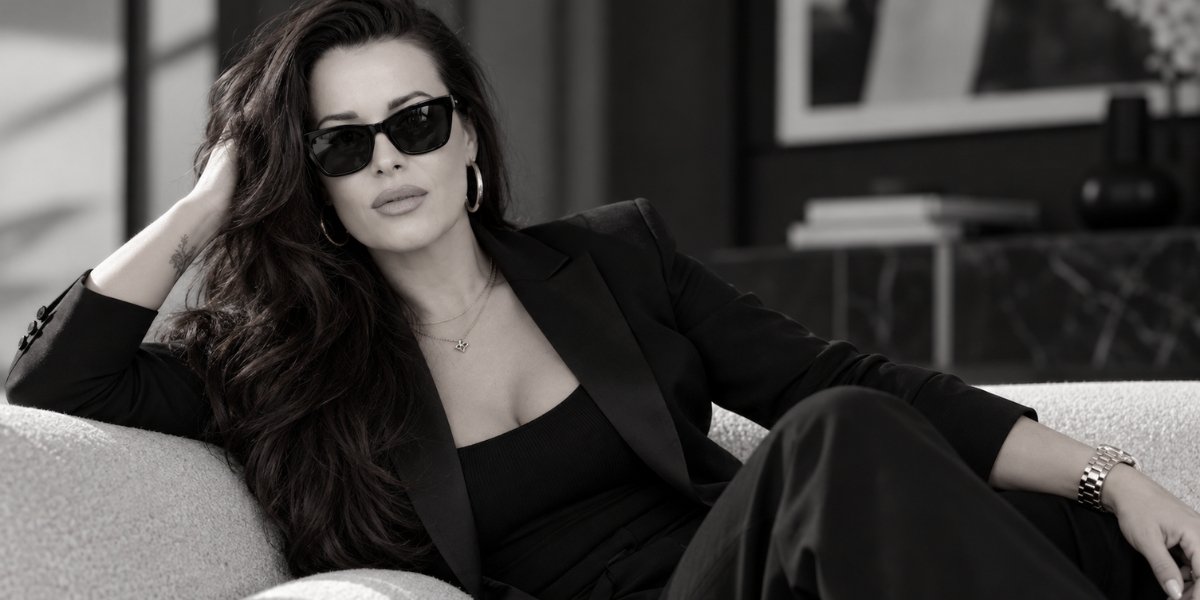
By: Shawn Mars
Serah D’Laine’s screen work remains a matter of public record, listed among her acting and producing credits on IMDb. Less obvious to anyone who followed that stretch of her career is where she went afterward. D’Laine now works as an authority strategist, advising founders, executives, and luxury brands on how they are positioned rather than how loudly they promote themselves. She spent more than a decade working professionally in Hollywood before the switch.
The move reads like a departure. In practice, it carried over most of what the first career taught her.
What Does an Authority Strategist Actually Do?
An authority strategist works on reputation and positioning before promotion. The role starts with identifying what a leader wants to be known for, then organizing the evidence available about that person so the claim holds up without having to be asserted. D’Laine founded STAGE IIX, a strategic visibility firm, to do that work for founders, executives, luxury brands and subject-matter experts.
Her practice pulls from disciplines that usually sit in separate departments. Branding, audience psychology, public relations, executive coaching and AI strategy each feed into what she treats as one framework for market positioning. A single question organizes it. Why do certain people and brands become trusted, remembered and highly valued while others go unnoticed?
Answering that has taken roughly a decade of study on her part, examining how audiences assign value, how buyers reach decisions and, more recently, how AI systems assess credibility. Her own summary of the difference is short. Marketing attracts attention. Authority produces trust.
The client categories she works in skew premium, weighted toward brands and leaders who already carry some recognition and want that recognition to grow bigger and mean something more specific. Work of that kind looks less like a campaign than an audit. Where does the reputation currently sit, and what actually supports it?
The Casting Room Taught Her How Perception Works
Hollywood is unusually blunt about perception. A performer can be talented and still lose the role because the story, the audience, or the fit points somewhere else. D’Laine puts the lesson plainly: an audience does not experience you the way you experience yourself, but through the story, the role and the reputation you have built.
Her producing work sat on the other side of that table, where the calculation turns on audience response rather than personal performance. Both vantage points fed the same conclusion. Story, positioning, presence and memorable association decide commercial outcomes, not only casting ones.
Those same variables shape which consultant a company hires, which brand a buyer trusts and whose name gets passed along in a referral. The setting changed. The mechanics did not.
Why Visibility Stopped Being a Competitive Advantage
Publishing is no longer scarce. Everyone has a camera, a microphone, and an audience of some size, which means being seen carries less weight than it did when distribution was gated. D’Laine’s read on fame is informed by having lived a version of it. Being known, she notes, is not the same as being respected or remembered for anything specific.
“Fame doesn’t matter if you don’t have something meaningful to say,” she says.
The distinction she draws is between reach and referability. Rather than pushing clients to publish more, she starts with the reputation they want to build and the category they want to own. The objective she describes is becoming the person someone thinks of when a specific problem needs solving, the expert who gets introduced into the right room, the name that already carries meaning before the meeting begins. She calls the current period an Authority Era, one in which visibility is abundant and real distinction is scarce.
How Does AI Change the Way Credibility Gets Judged?
AI has inserted a layer between a leader and the people evaluating them. Buyers who once searched and skimmed now ask a model to summarize who someone is and whether they are credible, and that summary draws on far more than a person’s own posts. For an authority strategist, that shifts the work from controlling a message to supplying evidence.
D’Laine directs clients toward the full range of material a system can reach: a website, media coverage, podcast appearances, interviews, speaking engagements, professional profiles, third-party mentions, published work and the conversations happening about them outside their own channels. Her position here is deliberately unglamorous. She does not advocate gaming models or manufacturing credentials.
What she advocates instead is assembling a body of consistent, independently verifiable material that supports the reputation a leader wants to hold. Authority then becomes evident rather than announced. It is a slower approach than posting volume, and a harder one to fake.
Where the Work Goes From Here
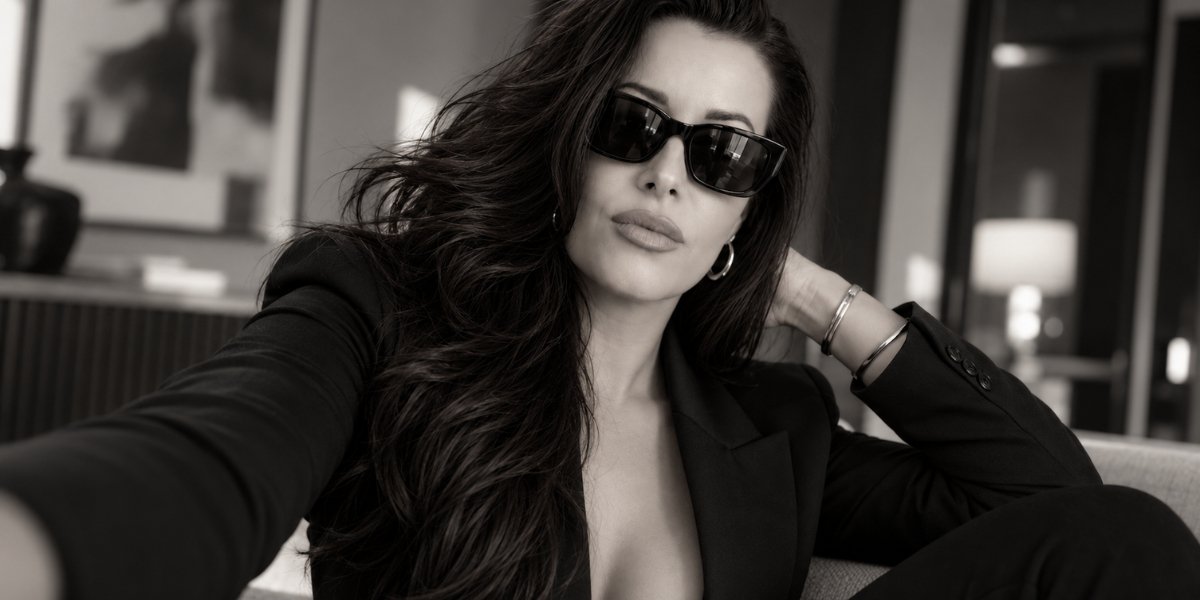
Much of her attention now goes to women and leaders preparing for a form of exposure that barely existed ten years ago, where public relations, personal brand, relationships, reputation, storytelling, and AI bear on the same question. Serah D’Laine’s speaking and advisory work runs alongside client engagements at STAGE IIX. She also keeps a public professional presence on Instagram.
The cameras are behind her. The spotlight is not. She simply moved to the other side of it and started deciding where it points.