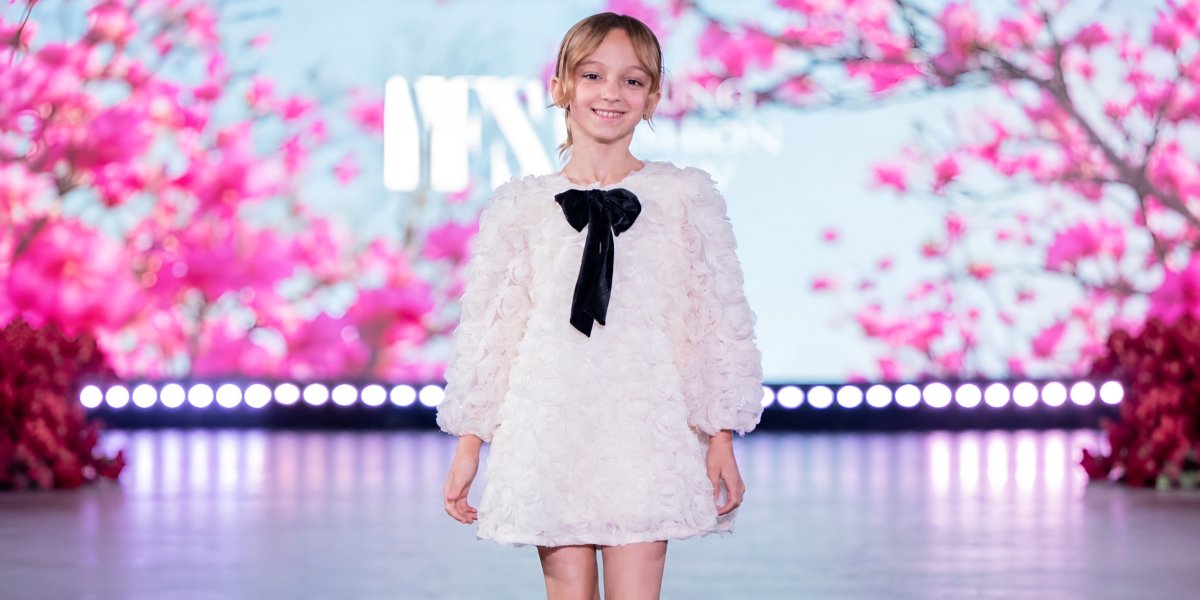
Models are increasingly bypassing traditional runway work in favor of brand partnerships that pay far more consistently and build direct relationships with fans. Show casting once launched careers, but a single well-timed campaign now carries more financial weight than an entire fashion month. This shift toward direct-to-brand work is changing who gets called a supermodel and how that status gets built.
Key Takeaways
- Brand partnerships now often span multiple years and include licensing arrangements, giving models steadier income than one-off runway bookings ever provided.
- Social platforms let models build audiences independently of agencies, allowing some to pitch directly to brand marketing teams instead of relying on casting directors.
- Fashion week shows still matter for designers presenting collections to buyers and press, but they have lost ground as the primary launchpad for modeling careers.
- Some designers now cast actors, musicians, and influencers for runway shows, reducing the number of traditional modeling slots available.
- Models with a clear niche or established personal brand tend to command stronger direct-to-brand deals than those relying solely on runway experience.
The runway used to be the proving ground. Now it often functions as a resume line rather than a paycheck, while the real money and staying power come from campaigns, licensing deals, and product lines that keep a model’s face in front of consumers long after the lights go down at a show.
The Gap Between Runway Exposure and Real Income Pushed Models Toward Campaigns
Runway shows have never paid especially well for most models walking them. Exposure was the currency: a strong turn for a major house during fashion week in Paris or Milan could translate into editorial bookings and, eventually, a campaign. That pipeline still exists, but it is no longer the only route, or even the fastest one.
Brands now sign models directly for exclusive multi-season deals, ambassador roles, or capsule collections, often skipping the traditional casting process that used to require a runway pedigree first. A model with a large social following and a distinct point of view can land a beauty or fashion contract without ever walking a show for the brand in question.

The Old Career Ladder Is Getting Shorter
Previously, a model needed years of show work, magazine covers, and agency backing before a major campaign came calling. Now that ladder can collapse into a single viral moment, a well-received red carpet appearance, or a recurring presence on a celebrity’s social feed that catches a brand’s marketing team.
Brand Deals Offer Recurring Revenue That Runway Bookings Never Could
Runway bookings are largely one-off events tied to a single collection and a single season. A brand partnership, by contrast, can span a year or longer, bundling appearance fees, licensing, and social content into one recurring arrangement. That structure gives models steadier income instead of the boom-and-bust cycle tied to fashion calendars.

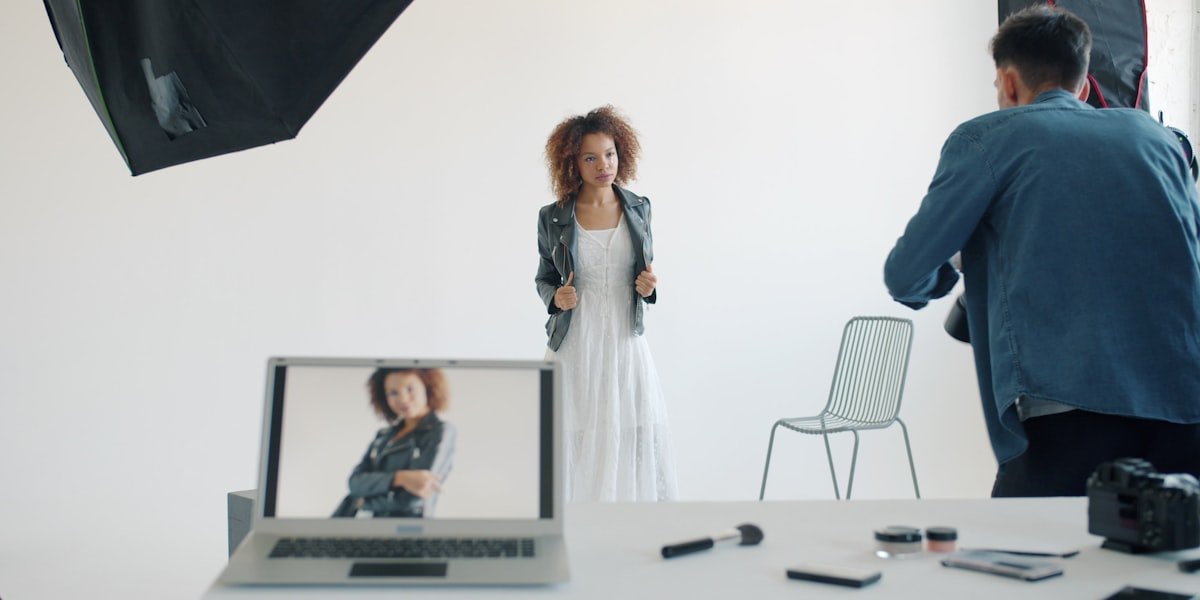
Photo by Andrey Zvyagintsev on Unsplash
Licensing is the piece most people underestimate. When a model’s image appears on packaging, in-store displays, or a co-branded product line, the deal often includes arrangements tied to product performance, not just a flat appearance fee. That is a fundamentally different financial relationship than getting paid to walk for ninety seconds. The Model Alliance, the worker-led nonprofit behind New York’s Fashion Workers Act, has documented how the traditional agency structure left models without transparency into their own contracts or compensation, a dynamic that multi-year brand deals increasingly bypass altogether.
Beauty and fragrance deals have long rewarded this kind of longevity. Models who became the face of a perfume or cosmetics line often kept that association for years, well past the point when they stopped walking shows regularly. What is different now is how quickly a newer model can reach that tier without first spending a decade on the runway circuit.
Social Platforms Gave Models a Direct Line to Brand Marketing Teams
A model with a large, engaged following brings something a runway booking never could: a direct audience a brand can measure. Casting directors used to be the gatekeepers between a model and a career. Platforms like Instagram and TikTok let a model build an audience independent of any agency or show, then bring that audience straight to a negotiating table with a brand.
This is where the direct-to-brand mechanism actually takes shape. Instead of a brand relying on a casting agency to surface talent, some models now pitch themselves, or their management pitches on their behalf, straight to a brand’s marketing department, cutting out layers that used to sit between a face and a contract.
That does not mean agencies have disappeared from the picture. Major agencies still negotiate the bigger deals and protect a model’s rate, but the leverage has shifted. A model who can point to a following and a track record of successful past partnerships walks into those negotiations with more bargaining power than a runway resume alone would provide. Research published by Data & Society in collaboration with the Model Alliance found that models have long faced challenges exercising control over how their images get used, and that the shift toward direct partnerships gives some models a path to negotiate terms that the traditional agency-casting pipeline rarely offered.
Fashion Week Retains Its Industry Function Even as Its Career-Building Power Fades
Fashion week has not disappeared, and it is not likely to. Shows still serve designers who need a stage to present a collection to buyers, editors, and press in one concentrated setting. But the runway’s role as the primary career launchpad for models has weakened considerably.
Some designers have responded by leaning into celebrity casting for their shows, booking actors, musicians, or influencers who bring an existing audience rather than relying solely on agency-signed models to generate buzz. That trend itself reduces the number of slots available to models trying to build a career the traditional way.
Fashion month remains a place where brand relationships get sparked, even if the show itself is not the paycheck. A front-row seat, a backstage moment, or a single standout walk can still catch a brand’s attention and lead to the kind of direct deal that now matters more than the show itself.
Models With a Clear Niche Command the Strongest Direct Deals
Models with strong personal branding and a clear niche, whether that is plus-size representation, a specific beauty category, or a recognizable personal style, tend to do well in this environment. Brands are increasingly interested in acquiring not just a face, but an audience and an association that a model has cultivated independently.
Newer models without an established following face a different path than previous generations. The traditional apprenticeship of working up through shows and editorials still exists, but it no longer guarantees the same returns it once did. For emerging talent, building a distinctive presence and audience on social platforms has become as essential as agency representation itself.
The shift toward direct brand partnerships reflects a broader evolution in how fashion markets itself and how models build sustainable careers. Whether a model chooses the traditional runway route, pursues brand deals independently, or combines both approaches, the industry now offers multiple pathways, and multiple ways to measure what success actually means.
FAQs
Do Runway Shows Still Matter for a Modeling Career?
Runway shows still offer visibility during fashion week and can spark brand interest, but they are no longer the primary path to a sustainable income the way they once were. Many models now treat shows as a networking opportunity rather than a paycheck.
How Do Brands Find Models Without Going Through Agencies First?
Brands increasingly scout models directly through social media, engagement metrics, and past campaign performance before ever contacting an agency. Agencies still handle contract negotiation, but the initial discovery often happens outside the traditional casting process.
Are Agencies Becoming Less Important for Models?
Agencies remain central to negotiating rates and protecting a model’s interests in larger deals, but their role as the sole gatekeeper to opportunity has diminished. Models with independent followings now have more leverage in those negotiations than in past decades.
What Kinds of Brand Deals Pay the Most for Models?
Long-term ambassador roles and licensing arrangements tend to generate more sustained income than single appearance fees. Beauty and fragrance partnerships have historically offered some of the longest-running arrangements in the industry.
Is Fashion Week Losing Relevance Because of This Shift?
Fashion week still serves designers presenting collections to buyers, editors, and press, so it has not lost its industry function. Its role in launching individual modeling careers, however, has clearly weakened compared to previous decades.
Can a Model Succeed Today Without Walking Any Runway Shows?
Some models build entire careers primarily through social platforms and direct brand partnerships without a heavy runway resume. This path still requires a distinct audience or niche that a brand finds valuable enough to pay for directly.