
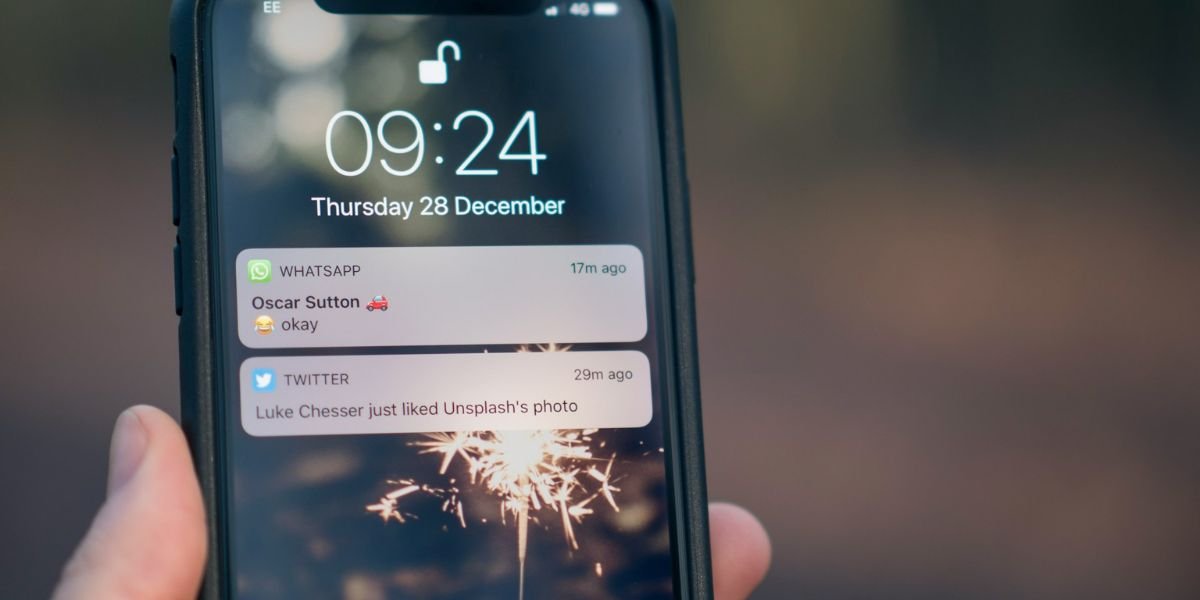
Imagine you are relaxing after a long day and decide to play a few rounds at your favorite online game. Just as you start to enjoy yourself, your phone buzzes. It is a text message or an email with a bright red warning. It says your account has been locked due to “suspicious activity,” or perhaps it claims you have a $1,000 bonus that will disappear in exactly thirty minutes if you do not claim it right now.
This feeling of panic is exactly what a scammer wants. We see these tactics used against beginners all the time. When we feel rushed, we stop thinking clearly. We make mistakes we normally would not make. Understanding why these “urgent” messages exist is the first step toward keeping your money and your personal information safe.
The Psychology of the Rush
Scammers are students of human behavior. They know that if they give you twenty-four hours to solve a problem, you might call a friend, search for advice online, or contact the website’s official support team. If they give you only five minutes, you are much more likely to click a link without looking closely at it.
This is called creating a “false sense of urgency.” By making a situation seem like an emergency, the scammer bypasses your logical brain. They want you to act on emotion. In the world of gaming, this usually involves a threat to your money or a promise of a huge, fast reward.
Common “Urgent” Scams to Watch For
There are a few classic stories that scammers like to tell. Most of them fall into one of two categories: the “Security Scare” or the “Golden Opportunity.”
The Security Scare
You get a message saying someone from another country tried to log into your account. The message tells you to click a link immediately to “verify your identity” or “reset your password.” If you click that link, it takes you to a fake website that looks exactly like yours. When you enter your username and password, the scammer now has your real login details.
The Golden Opportunity
This message is much more cheerful but just as dangerous. It might say, “Congratulations! You have been selected for a secret high-roller bonus. Click here to claim your $500, offer ends in 15 minutes!” These messages often lead to sites that ask for your credit card information to “confirm your account” before giving you the fake bonus.
How to Tell if a Message is Fake
Even though scammers try to be clever, they usually leave behind clues. Since they are often sending thousands of these messages at once, they tend to be a bit sloppy. Here is what we suggest looking for:
- The Sender’s Address: Take a look at the email address. A real platform will send mail from their official domain, like support@cool.com. A scammer might use something like security-check-@gmail.com or a random string of letters.
- Generic Greetings: If a website has your account, they usually know your name. If a message starts with “Dear Customer” or “Valued User” and then demands urgent action, it is likely a scam.
- Spelling and Grammar: Real companies have teams of editors to check their messages. If the “urgent” warning has simple spelling mistakes or weird phrasing, it is a huge red flag.
- The Link Itself: Before you click any link on a phone or computer, you can often see where it goes by hovering your mouse over it or long-pressing on a mobile device. If the link looks like a long mess of numbers and random words, do not touch it.
What to Do When You Get an Urgent Message
If you receive a message that makes your heart race, the best thing you can do is breathe and slow down. We recommend a simple three-step process to handle these situations safely.
First, do not click anything in the message. Even if it looks real, stay away from the links and do not download any attachments.
Second, go to the source. Open a new window in your browser and type in the website address yourself. Log in like you normally would. If there is actually a problem with your account, they will almost always have a notification waiting for you inside their secure platform.
Third, contact support directly. Use the live chat feature on the official website or find their support email from their “Contact Us” page. Ask them, “I just got a text about my account being locked, is this real?” Most of the time, they will tell you it is a scam and thank you for reporting it.
Protecting Your Digital Life
More than just being careful with messages, there are a few tools we suggest using to add more layers of safety. Using a password manager is a great idea because it helps you create unique, complex passwords for every site. This way, even if a scammer gets one password, they cannot get into your other accounts.
Another essential tool is Two-Factor Authentication, or 2FA. This is when the site sends a code to your phone every time you log in. Even if a scammer steals your password through an “urgent” message, they still cannot get into your account because they do not have your phone to see the code.
Final Thoughts on Staying Safe
Online gaming should be a place for fun and entertainment, not stress and fear. Scammers rely on your desire to protect your money or your excitement for a big win. By recognizing that “urgency” is almost always a sign of a trick, you take away the scammer’s biggest weapon.
Stay calm, check the facts, and remember that a real gaming site will never pressure you into making a split-second decision through a random text message. We want everyone in our community to play with confidence, knowing their accounts are secure.