For as long as movies have existed, they have done more than just tell stories on a screen. They provide a window into different worlds, and often, the most memorable part of those worlds is what the characters are wearing. From the golden age of Hollywood to today’s modern blockbusters, film has been a primary engine for fashion, turning costumes into global trends and actors into style icons.
The Power of the Silver Screen
When we watch a movie, we often identify with the characters. We admire their strength, their humor, or their romance. Fashion is the most immediate way for fans to “step into” the life of a character they love. This connection is why a single outfit in a hit movie can lead to millions of dollars in clothing sales.
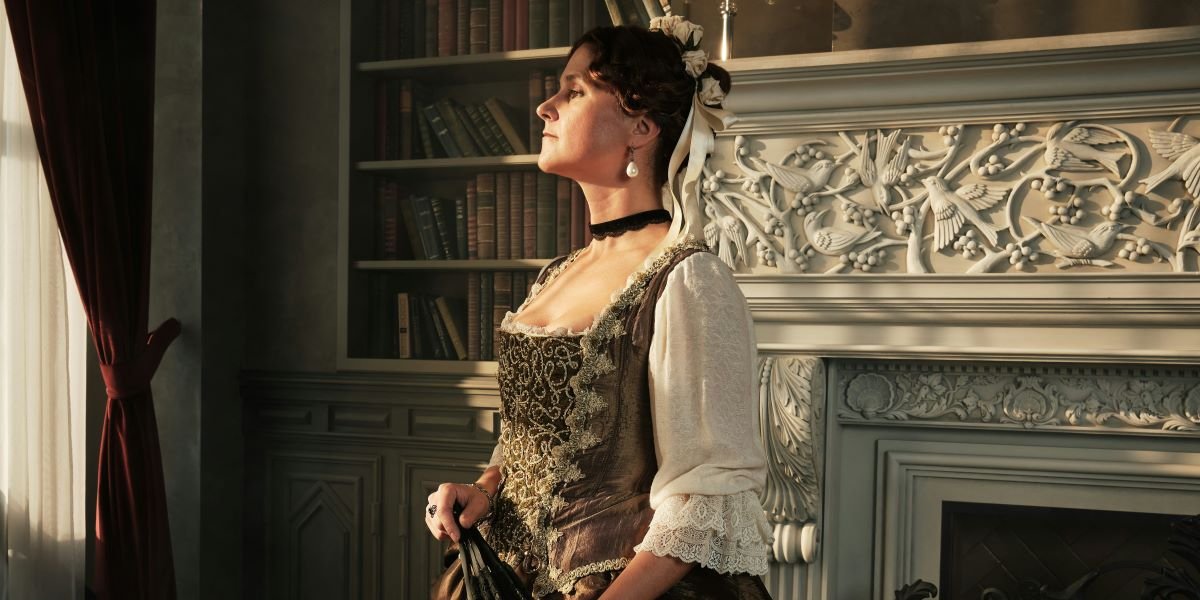
Edith Head, one of the most famous costume designers in history, who won eight Academy Awards, once perfectly summarized this influence:
“What a costume designer does is a cross between magic and camouflage. We create the illusion of changing the actors into what they are not. We assist the star in fulfilling his or her role.”
When that “magic” works, the audience doesn’t just see a costume; they see a lifestyle they want to emulate.
Classic Moments That Defined Eras
The history of cinema is filled with “fashion resets”—moments where a movie changed the way the world dressed overnight.
In 1961, the film Breakfast at Tiffany’s was released. When Audrey Hepburn appeared on screen in a sleek, sleeveless black dress designed by Hubert de Givenchy, the “Little Black Dress” (LBD) became a permanent staple in every woman’s closet. It transitioned from a garment of mourning to a symbol of high-society elegance.
Similarly, the 1977 film Annie Hall saw Diane Keaton wearing oversized blazers, vests, and wide-leg trousers. This “menswear for women” look challenged traditional gender norms in fashion. As the film’s costume designer, Ruth Morley noted, the look was largely inspired by Keaton’s own eccentric style, but the movie gave it the platform to become a global movement.
Subcultures and the “Cool” Factor
Movies also have a unique ability to take “subculture” clothing styles worn by small, specific groups—and make them mainstream.
Consider the 1950s. Before Marlon Brando appeared in The Wild One (1953) and James Dean in Rebel Without a Cause (1955), white T-shirts and leather jackets were considered undergarments or workwear for laborers.
Once these “rebels” wore them on screen, the white T-shirt became a symbol of cool, youthful defiance. Designers began mass-producing them as outerwear, and they remain a foundation of modern fashion today.
In the 1990s, the film Clueless did the same for “preppy” style. Costume designer Mona May used bright yellow plaids and schoolgirl skirts to create a look that was both satirical and aspirational. May later explained:
“We wanted to create a world that was colorful and happy. We didn’t want to do the grunge that was happening at the time. We wanted to show that girls could have fun with clothes again.”
Almost thirty years later, “Cher Horowitz” yellow plaid outfits still appear on runways and in fast-fashion collections every autumn.
The Designer-Director Partnership
The relationship between film and fashion is a two-way street. Many legendary fashion designers started their careers or found their greatest inspirations in film.
Giorgio Armani became a household name in the United States after he provided the sleek, tailored suits for Richard Gere in the 1980 film American Gigolo. This partnership showed the world a new kind of “soft” Italian tailoring that moved away from the stiff suits of the past.
Modern directors like Wes Anderson are known for their highly specific color palettes and vintage aesthetics. His films, such as The Royal Tenenbaums or The Grand Budapest Hotel, have inspired entire collections from brands like Gucci and Prada. Fashion designers often use “mood boards” filled with movie stills to capture a specific feeling or “vibe” for their next season.
How Modern Media Accelerates Trends
In the past, it might have taken months for a movie trend to reach the average person. Today, because of social media and “fast fashion,” it happens in days.
When a movie like Barbie (2023) or Challengers (2024) is released, the “Barbiecore” or “Tenniscore” trends explode instantly. People watch the film, post their inspired outfits on TikTok, and retailers like Zara or H&M have similar items on the shelves within weeks.
Costume designer Jacqueline Durran, who worked on Barbie, explained the impact of color and character:
“Pink is such a strong statement. By using it so specifically, we weren’t just dressing a doll; we were creating a visual language that people immediately wanted to speak.”
Conclusion: Wearing the Story
We don’t just choose clothes because they are practical. We choose them because of how they make us feel. Movies provide the stories that give our clothes meaning. Whether it’s a leather jacket that makes us feel brave, a black dress that makes us feel elegant, or a plaid skirt that makes us feel nostalgic, film remains the most powerful lookbook in the world.
As long as we keep watching movies, the “runway” will continue to be the silver screen, proving that the best fashion isn’t just about fabric—it’s about the character you want to be.