
Shopping for a car no longer requires spending an entire weekend visiting dealerships. Buyers can explore listings, compare specifications, examine photographs and contact sellers without leaving home. For someone searching for a particular model, color or configuration, that convenience opens up a much larger market.
However, purchasing a vehicle from another city or state introduces a practical question that may receive less attention than the price. How will the car actually reach its new owner?
The online purchase can feel almost instantaneous, while physical transportation still depends on schedules, vehicle availability, dealership procedures and road conditions. A buyer may complete the financial arrangements before learning that the vehicle cannot be released immediately or that delivery requires several stages.
Understanding these steps makes a remote purchase easier to plan.
The Online Car Purchase Is Only the Beginning
Digital vehicle shopping has changed how consumers search for cars. A buyer who previously limited the search to nearby dealerships can now compare vehicles across a much wider geographic area. That flexibility is useful when local inventory does not include a desired vehicle, and it also creates additional responsibilities.
Before committing to a distant purchase, buyers need to consider the condition of the car, the credibility of the seller, the terms of the transaction and the process for transferring possession. Transportation belongs in those early questions rather than treated as an afterthought.
A vehicle might be located hundreds of miles from the buyer. The purchase price may appear attractive, but the total financial commitment also includes applicable taxes, registration expenses and transportation costs.
Why Distance Is Not the Only Factor in Vehicle Delivery
It may seem reasonable to assume that shipping a car twice as far should require twice the cost or twice the time. Real transportation operations are more complicated.
Carriers must account for available equipment, pickup and delivery locations, route demand and the number of vehicles scheduled along a journey. A vehicle moving between two major transportation markets may be easier to fit into an established route than one in a remote area with fewer available carriers.
The size and operating condition of the vehicle also shape transportation planning. A standard passenger car that can be driven onto a trailer presents different requirements from an oversized vehicle or one that cannot move under its own power.
Buyers should therefore avoid calculating expected delivery time solely from driving distance. A realistic estimate separates the time needed to arrange collection from the time the vehicle spends traveling after pickup.
Does the Dealership Arrange Shipping or Does the Buyer?
One of the first questions to resolve is who will actually organize the vehicle’s transportation.
Some dealerships coordinate delivery through an outside transportation company. Others allow customers to select their own provider. These arrangements may involve different responsibilities and prices.
If the dealership organizes the shipment, the buyer should ask whether transportation is included in the purchase agreement or charged separately. If the customer arranges shipping independently, the dealership must still provide the information necessary for the transporter to collect the vehicle.
Consumers researching dealership vehicle delivery can find a practical explanation of how dealer-arranged shipping differs from transportation booked directly by the buyer.
The important consideration is not that one option is always better. Buyers should compare the total cost, responsibilities and communication arrangements before deciding.
Why Vehicle Release Procedures Matter
A completed purchase does not necessarily mean a transporter can collect the vehicle immediately. Dealerships may have internal procedures for confirming payment, completing documents and authorizing the release of a vehicle. The transport company also needs to know who can provide the keys and confirm that the correct vehicle is available.
Consider a buyer who books transportation for a Monday pickup without checking whether the dealership has completed its release process. The carrier may arrive while the vehicle is still awaiting paperwork, which can disrupt an otherwise reasonable schedule.
Before arranging collection, buyers should confirm that the seller understands the proposed pickup window, has completed the necessary transaction steps and can identify an authorized contact. These preparations help establish that the vehicle will be available when the transporter arrives.
Carrier Scheduling Is Different From Ordinary Package Delivery
Consumers accustomed to online retail may expect vehicle transportation to work like a parcel service, with a fixed collection time and a highly predictable arrival date. Auto transportation operates under different constraints.
A multi-vehicle carrier may collect and deliver vehicles at several locations. Each stop can depend on customer availability, local access conditions and the time needed to load or unload safely. Weather, traffic restrictions and changes elsewhere along the route can also affect scheduling.
This does not mean carriers should avoid communicating clearly about timing. Buyers should understand the distinction between an estimated pickup window, the actual collection date and an expected delivery period. A single promised delivery date without an explanation of these stages may create unrealistic expectations.
Consumers may want a vehicle to arrive by a particular weekend, holiday or personal event. That preference is understandable, but transportation estimates should not be treated as guaranteed unless the agreement explicitly provides an enforceable commitment. Buyers who need the vehicle by a strict deadline should discuss that requirement before booking and determine whether the proposed service can reasonably accommodate it.
Realistic scheduling does not mean accepting poor communication. It means understanding which parts of the process are confirmed, which remain estimates and how changes will be communicated.
Why Buyers Should Verify the Transportation Company
Finding a transportation provider online is convenient, but advertisements and professional-looking websites do not independently establish that a company is properly authorized to operate.
The Federal Motor Carrier Safety Administration, or FMCSA, advises consumers to understand the difference between auto transport brokers and motor carriers. A broker arranges transportation, while a motor carrier physically transports the vehicle. For covered interstate operations, relevant federal registration requirements apply to both types of businesses.
Consumers can use FMCSA resources to check registration details and see whether the company identifies its operating role clearly. The agency also warns about deceptive practices in automobile transportation services.
Before agreeing to a shipment, buyers should establish the legal name of the transportation business, clarify whether it is arranging or performing the transport, and check registration information. A trustworthy transaction begins with knowing which company is responsible for each part of the service.
Why the Cheapest Quote May Not Be the Best Comparison
Transportation quotes can differ for legitimate operational reasons. The requested collection location, trailer type, route and vehicle characteristics may affect the price. Buyers should also consider whether competing quotes describe the same service.
One provider may quote an estimated amount for open transportation, while another may include a different level of service. Comparing only the final dollar amount can conceal these distinctions. A more useful comparison examines what is included, which conditions might change the price and how payment is handled.
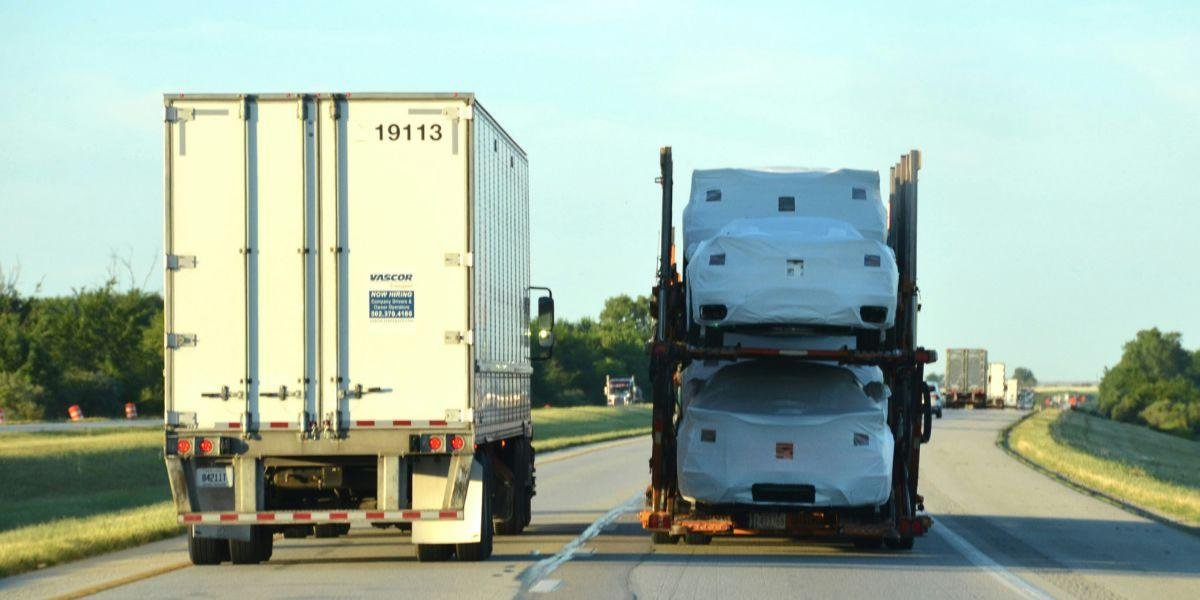
Open transport carries vehicles on equipment that exposes them to ordinary outside conditions during travel. Enclosed transportation adds a physical barrier from road debris and weather, although it does not eliminate every transportation risk. Many standard passenger vehicles move on open carriers, while owners of particularly valuable or sensitive vehicles may prefer enclosed equipment.
Consumers should be especially cautious about unclear charges and terms that are not adequately explained before the booking is accepted. A lower headline quote does not necessarily produce the lowest final cost.
Why Pickup Access Can Complicate a Simple Plan
A transporter needs sufficient space to collect the vehicle safely. Large car carriers may not be able to access every residential street, narrow driveway or parking structure, and local parking restrictions can also affect where a vehicle is loaded.
A buyer who requests door-to-door delivery should understand that the exact meeting point may depend on whether the transport vehicle can reach the address safely and legally. In some situations, a nearby accessible location may be more practical.
The same applies at dealerships, where a showroom address does not necessarily identify the lot used for collecting inventory. Confirming access arrangements before pickup helps avoid confusion between the driver, dealership and customer.
Inspection Records Matter at Both Ends of the Trip
One of the most important stages of transportation takes place before the vehicle begins its journey. A pickup inspection creates a record of the vehicle’s visible condition at the time it is transferred to the carrier. The driver and the person releasing the vehicle may document existing marks or other visible concerns, and photographs can provide additional context.
Buyers arranging a remote purchase should determine who will represent their interests at the pickup location and how inspection information will be communicated. If the vehicle has existing damage, that information should be documented rather than left to memory. An inspection does not guarantee that every mechanical or cosmetic problem will be discovered. Its value is creating a contemporaneous record of observable condition.
The process does not end when the transporter arrives at the destination. The person receiving the vehicle should compare its visible condition with the documentation prepared at pickup, and any apparent differences should be addressed through the applicable delivery and reporting process before the relevant documents are finalized.
Buyers should also understand how to report a transportation-related concern. The FMCSA provides channels for complaints involving automobile transporters and brokers, and delivery inspection records can be important if a dispute arises later.
Why Insurance Questions Need Specific Answers
Consumers frequently ask whether their vehicle will be insured during transportation. That question deserves a specific explanation, not a general assurance that transportation is covered.
Buyers should ask which carrier is responsible for the shipment, what coverage applies, what limitations or exclusions may exist and how a claim would be handled. The presence of insurance information does not mean every type of damage, delay or financial loss is necessarily covered.
Consumers should request appropriate documentation and review the relevant terms rather than relying solely on promotional descriptions. Understanding the claims process before transportation begins can prevent confusion if an issue later requires investigation.
Remote Vehicle Purchases Require More Communication
Buying from a distant seller means the customer cannot always resolve a problem by visiting the dealership in person. Communication becomes an important part of the logistics process.
Before pickup, the buyer should know who can authorize vehicle release, who will communicate with the carrier and which person will receive the vehicle at the destination. Delivery updates also need to reach someone who can make practical arrangements for the final handoff.
Transportation arrangements are easier to evaluate when they are discussed before the purchase is finalized. Buyers should establish whether delivery is included in the transaction, whether an independent carrier must be booked and which party is responsible for that arrangement. It is also useful to confirm when the vehicle can be released and who will provide access for collection.
Clarity at this stage reduces the likelihood of discovering conflicting expectations after the purchase has already been completed.
The Best Online Car Purchase Includes a Delivery Plan
Modern vehicle shopping offers consumers more choices, but broader access to inventory also creates logistical responsibilities. A completed online transaction does not automatically complete dealership release procedures, create carrier capacity or guarantee access to the final destination.
Buyers should evaluate the complete transaction, including the vehicle’s condition, the seller’s responsibilities, carrier verification, transportation terms and inspection arrangements. Dealerships and transport providers can simplify parts of the process when their roles are clearly defined.
These details are less exciting than discovering a great car online, but they can determine whether the experience feels convenient or stressful. A successful remote purchase depends on more than finding the right car at the right price. It also requires a practical plan for moving that car from the seller to its new owner.
Digital shopping may start the transaction with a click, but thoughtful coordination is what completes the journey.
References
Federal Motor Carrier Safety Administration. Consumer Advisory About Automobile Transporters. US Department of Transportation.
Federal Motor Carrier Safety Administration. Registration and operating-authority resources for interstate motor carriers and transportation brokers.