Celebrity News

The Psychology of Acting: How Actors Tap Into Emotions for Authentic Performances


Acting isn’t just about memorizing lines or hitting marks on a stage. It’s about creating an experience that feels real to the audience. The secret to this magic lies in the psychology of acting, where performers dig deep into their emotions and thoughts to bring their characters to life. But how do actors achieve such raw, authentic performances? Let’s dive into the techniques and mental processes that shape their craft.

Understanding the Emotional Core of a Character

One of the first steps in acting is understanding the emotional core of a character. This means figuring out what motivates them, what they fear, and what they desire. Actors often ask themselves: “What drives this person?” By answering these questions, they can connect emotionally with their roles.

Actors use empathy as a tool to step into their character’s shoes. Empathy helps them feel the emotions their character might experience, even if those emotions are vastly different from their own. For example, to play a grieving parent, an actor might draw on their personal experiences of loss or imagine how they would feel in a similar situation. This connection between real-life feelings and fictional circumstances creates a bridge that makes performances believable.

The Role of Techniques in Emotional Authenticity

Actors don’t just rely on their natural ability to feel; they also use established techniques to hone their craft. One of the most well-known methods is the Stanislavski system, which encourages actors to explore their own experiences and emotions to inform their character’s behavior. Through exercises and rehearsals, actors learn to recall memories that help them access specific emotions.

Another popular technique is method acting, where performers immerse themselves entirely in their roles. This can mean adopting their character’s habits, mannerisms, and even lifestyle off-camera. By living as the character, actors find it easier to deliver convincing performances. However, this approach requires careful balance to avoid emotional burnout or losing one’s sense of self.

Actors also use improvisation to explore new emotional possibilities. When they’re not restricted by scripts, they can discover fresh, organic reactions that add depth to their roles. This spontaneity can bring unexpected layers to a performance, making it feel more genuine.

The Psychological Toll of Acting

While acting can be deeply rewarding, it’s not without challenges. Tapping into intense emotions repeatedly can take a psychological toll. Some roles demand that actors explore dark or traumatic experiences, which can affect their mental health. For this reason, many performers work with therapists or coaches to process the emotions they’ve engaged with during their work.

Additionally, actors often need to develop strategies for leaving their characters behind after a performance. Without this boundary, it’s easy to carry emotional residue into their personal lives. Techniques like mindfulness and relaxation exercises are common ways to reset and return to a neutral state.

The Audience’s Role in the Actor’s Process

The connection between actors and their audience is an essential part of the process. When viewers react emotionally to a performance, it reinforces the actor’s efforts. This feedback loop—where the audience’s emotions fuel the actor’s energy—is a powerful motivator. It’s one reason live theater feels so electric: the immediate response from the audience creates a unique, shared emotional experience.

Film actors, on the other hand, must rely on their ability to create intimacy with a camera. Without a live audience, they use their imagination to picture how viewers might react. This requires a high level of focus and mental agility to make every moment feel authentic.

The art of acting goes far beyond reciting lines. It’s a psychological journey where actors connect deeply with their characters, use well-honed techniques, and navigate the emotional challenges of their craft. By tapping into their own emotions and understanding human psychology, they bring stories to life in a way that resonates with audiences. Whether on stage or screen, the emotional truth they share is what makes acting such a powerful and enduring art form.

Disclaimer: This article is intended for informational and educational purposes only. It discusses general concepts related to acting techniques and psychological processes and is not a substitute for professional mental health advice, diagnosis, or treatment. Individual experiences with acting and emotional engagement may vary. Actors or readers experiencing emotional distress or mental health concerns should seek guidance from qualified mental health professionals.

The Science of Singing: Understanding How the Human Voice Produces Sound

Singing is often described as an art, but it is grounded in physiology, acoustics, and coordination. Every sung note is the result of precise physical processes involving airflow, muscle movement, and sound resonance. Understanding how the human voice produces sound helps explain why some techniques feel effortless while others lead to strain or inconsistency.

Rather than relying on intuition alone, vocal science offers a framework for developing control, endurance, and vocal health.

The Voice As A Biological Instrument

The human voice functions as a self-contained instrument built from muscle, cartilage, and tissue. Unlike external instruments, it changes constantly based on hydration, fatigue, posture, and emotional state. Sound production depends on coordination rather than strength.

At the center of this system are the lungs, vocal folds, and resonating cavities. Each plays a distinct role, and imbalance in any part affects the final sound.

Breath Initiates Sound Production

All vocal sound begins with airflow. When a singer inhales, the lungs fill with air. As that air is released, it travels upward through the trachea toward the larynx. The rate and consistency of this airflow determine volume, tone stability, and endurance.

Controlled airflow allows the voice to remain steady without forcing. Excess air creates breathiness, while insufficient airflow causes pressed or strained sound. Effective singing relies on regulated breath rather than raw lung power.

Vocal Folds Create Vibration, Not Sound

The vocal folds, located inside the larynx, do not produce sound on their own. Instead, they vibrate as air passes between them. These vibrations create sound waves that are later shaped into a recognizable tone.

Pitch changes occur when the vocal folds adjust length, thickness, and tension. Higher pitches require thinner, more elongated folds, while lower pitches involve thicker, shorter configurations. These adjustments happen through fine muscular coordination rather than conscious effort.

Healthy vocal fold vibration feels efficient. When singers attempt to force pitch or volume, they interfere with this natural oscillation.

The Larynx Regulates Pitch And Timbre

The larynx serves as the control center for vocal production. It houses the vocal folds and adjusts their positioning based on pitch and intensity demands. While the larynx moves naturally during singing, excessive elevation or depression often signals tension.

A balanced laryngeal position allows pitch changes without disrupting airflow. When the larynx is overcontrolled, the voice may sound tight, unstable, or fatigued. Vocal training focuses on coordination rather than fixing the larynx in a single position.

Resonance Shapes And Amplifies Sound

Once sound is generated at the vocal folds, it travels through the throat, mouth, and nasal passages. These spaces act as resonators, amplifying and coloring the sound before it exits the body.

Resonance affects volume, warmth, and clarity without requiring additional effort. Adjustments in tongue position, jaw release, and soft palate height alter how sound vibrates within these cavities.

Efficient resonance allows the voice to carry while conserving energy. Singers who rely solely on pushing air sacrifice resonance and increase strain.

Articulation Defines Speech And Lyrics

While resonance shapes tone, articulation makes sound intelligible. The lips, tongue, teeth, and jaw refine vowels and consonants. In singing, vowels carry sustained sound, while consonants provide clarity and rhythm.

Over-articulation can interrupt airflow and destabilize pitch. Under-articulation reduces clarity. Effective singers balance precision with relaxation, allowing speech movements to support sound rather than interfere with it.

Coordination Determines Vocal Efficiency

The most critical element in singing is coordination. Breath, vocal fold vibration, resonance, and articulation must function together in real time. When coordination is efficient, singing feels controlled and repeatable. When it breaks down, singers compensate with tension or volume.

This explains why vocal fatigue often results from technique rather than duration. Poor coordination places excess demand on small muscles not designed for sustained force.

Why Understanding Vocal Science Matters

Understanding the mechanics of the voice removes mystery from singing. Instead of guessing why a note feels difficult, singers can identify whether the issue stems from airflow, tension, or resonance imbalance.

This knowledge also supports vocal health. Many common voice injuries result from misunderstanding how sound is produced. Awareness allows singers to adjust technique early rather than push through discomfort.

The human voice is designed to adapt. It responds to training, environment, and physical condition. Scientific understanding does not replace artistic expression, but it provides the structure that allows expression to remain consistent and sustainable.

When singers understand how sound is produced, technique becomes a tool rather than an obstacle. The science of singing reveals that strong vocal performance is not about force or volume, but about coordination, efficiency, and respect for the body that produces sound.

Developing Your Unique Talent: How to Stand Out in the Entertainment Industry

The entertainment industry is a highly competitive field where standing out is crucial for success. Developing your unique talent is key to making a lasting impression and building a rewarding career. Whether you aspire to be an actor, musician, dancer, or any other type of entertainer, finding and honing your unique abilities will set you apart. Here are some strategies to help you develop your unique talent and stand out in the entertainment industry.

What Is Your Unique Talent?

Understanding and defining your unique talent is the first step to standing out in the entertainment industry. Everyone has something that makes them special, and identifying this can give you a competitive edge. Start by assessing your strengths and passions. What do you enjoy doing the most? What skills do you excel at naturally?

For instance, if you’re an actor, think about the types of roles you feel most connected to or the acting styles that come most naturally to you. If you’re a musician, consider the genres or instruments you are most passionate about. Sometimes, your unique talent might be a combination of different skills. For example, you might be an actor with a talent for comedic timing or a dancer who excels in a fusion of traditional and contemporary styles.

Once you have identified your unique talent, it’s important to embrace it fully. Don’t try to fit into a mold that doesn’t suit you just because it’s popular or in demand. Authenticity resonates with audiences and industry professionals alike. Being true to yourself and your abilities will help you stand out and attract the right opportunities.

How Can You Hone Your Unique Talent?

After identifying your unique talent, the next step is to hone it. This involves continuous learning and practice to improve and refine your skills. Even the most naturally gifted individuals need to work hard to perfect their craft.

Taking classes and seeking mentorship are excellent ways to develop your talent. Look for workshops, courses, and training programs that align with your skills and interests. These can provide valuable techniques and insights that help you improve. For example, if you’re an aspiring singer, vocal coaching can enhance your range and control. If you’re a dancer, classes in various styles can broaden your repertoire and versatility.

Practice is crucial. Set aside regular time to work on your craft, and push yourself to try new things and step out of your comfort zone. For actors, this might mean experimenting with different characters and emotions. For musicians, it could involve writing your own songs or learning new instruments. The more you practice, the more confident and skilled you will become.

Feedback is an important part of the learning process. Seek constructive criticism from peers, mentors, and industry professionals. They can provide valuable perspectives on your strengths and areas for improvement. Don’t be afraid of criticism; instead, use it as a tool to grow and enhance your abilities.

Networking is another vital aspect of honing your talent. Surround yourself with other talented individuals who can inspire and challenge you. Join industry groups, attend events, and participate in collaborative projects. These connections can lead to new opportunities and help you stay motivated and engaged in your field.

How Can You Showcase Your Unique Talent?

Once you have developed your unique talent, it’s time to showcase it to the world. Building a strong personal brand and effectively promoting yourself are essential steps in standing out in the entertainment industry.

Creating a professional portfolio is a great starting point. This could be a demo reel for actors, a music album for musicians, or a dance video for dancers. Your portfolio should highlight your best work and demonstrate your unique abilities. Make sure it is high-quality and showcases your talent in the best possible light.

In today’s digital age, having a strong online presence is crucial. Use social media platforms, personal websites, and online portfolios to share your work and connect with your audience. Regularly update your profiles with new content, such as videos, performances, or behind-the-scenes glimpses of your creative process. Engaging with your followers and building a loyal fanbase can significantly enhance your visibility and reach.

Participating in competitions, auditions, and open calls is another effective way to showcase your talent. These platforms provide opportunities to be seen by industry professionals and can lead to significant career advancements. Even if you don’t win or get the part, the experience and exposure are valuable.

Collaborating with others in your field can also help you stand out. Joint projects, performances, or recordings can introduce you to new audiences and add diversity to your portfolio. Collaboration often leads to creative growth and new opportunities.

Persistence and resilience are key in the entertainment industry. Rejection is a part of the journey, but each experience is a learning opportunity. Stay committed to your goals, keep refining your talent, and continue to put yourself out there.

Developing your unique talent is essential for standing out in the entertainment industry. By identifying your strengths, honing your skills through continuous learning and practice, and effectively showcasing your abilities, you can carve out a successful and fulfilling career. Embrace your uniqueness, stay dedicated, and let your talent shine.

Acting Exercises for Mastering Emotions: How to Express Emotions on Stage

The most captivating actors make you feel along with them. They pull you into the story by painting a vivid picture of their character’s emotional state. But achieving that level of emotional authenticity on stage or screen isn’t just about raw talent. It’s a skill that’s honed through practice! Whether you’ve been acting for years or are just starting out, diving into specific exercises can help you master those moments of pure joy, simmering rage, heartbreaking sorrow, and the full spectrum of emotions in between.

Think of these exercises as tools to unlock your inner emotional reservoir. By practicing techniques that target specific feelings, you gain greater command over your ability to express them on cue. A director might suddenly ask you to switch from playful to furious in a matter of seconds – these exercises help you make that transition with believable intensity. As an experienced acting coach often emphasizes, “The most skilled actors aren’t just reacting – they’re actively choosing and embodying the emotions required for each scene.”

Ready to get started? Let’s dive into some simple yet powerful exercises designed to ignite those emotional sparks. These activities will help you become a master at channeling emotions from deep within and delivering unforgettable performances.

Get Your Body Involved

Emotions aren’t just in your head – your whole body feels them! To authentically portray an emotion, get physical.

  • Joy: Open posture, relaxed smile, maybe even jump for joy! Your body naturally knows how to express happiness.
  • Anger: Tense muscles, furrowed brows, a clenched jaw. Notice how anger feels in your body and exaggerate it slightly.
  • Sadness: Drooping shoulders, slowed movement, downcast eyes. Let your body reflect the heaviness of sadness.

Recall a moment when you felt a strong emotion. Dig into those memories! How did it feel in your body? What thoughts raced through your mind? Reliving those specific memories helps you channel similar emotions for a scene. A theater instructor advises, “Your own life experiences are a treasure trove of emotional truth. Draw from them to create deeply resonant performances.”

Improv is fantastic for getting out of your head and into the moment! Here’s a quick exercise:

  1. Partner up. Person 1 starts a scene with a strong emotional choice (excited, terrified, devastated, etc.).
  2. Person 2 jumps in, mirroring the emotion and escalating the intensity.
  3. Keep building off each other!

This gets you reacting emotionally without overthinking.

The Power of Music

Music has this uncanny ability to reach right into your heart and stir up all kinds of emotions. Think about it: a joyful melody can put a pep in your step, a bittersweet tune might bring a tear to your eye, and a pounding rock anthem can ignite a surge of energy! As an actor, learning to harness this power of music is like finding a secret weapon for unlocking those authentic emotional responses on demand.

Here’s where those playlists come in. Take some time to curate collections of songs that resonate with different moods. Need to channel joy for a scene? Blast your favorite upbeat tunes! Preparing for a melancholy moment? Let those poignant melodies wash over you. Working on a scene filled with rage? Find those tracks that get your adrenaline pumping. Choose whatever music speaks to you and helps you tap into those raw emotions.

Don’t just listen to the music – embody it! Put a song on, close your eyes, and let the music move through you. Allow your body to express what you’re feeling. There’s no right or wrong way to do this! Maybe joy makes you want to dance around the room, or anger makes you want to punch the air. This isn’t about choreography; it’s about connecting with those primal emotions the music evokes and letting them inspire your physical expression. As a renowned acting teacher noted, “Music can awaken those visceral responses within us, reminding us of what it truly feels like to experience deep emotions – an invaluable tool for any actor.”

Apply all this to your scenes! Here’s how:

  1. Before a scene, identify the main emotion your character feels.
  2. Do a quick body scan: How does that emotion translate physically?
  3. Tap into a memory that evokes a similar feeling.
  4. Let those emotions inform your performance in the scene.

It’s a Process!

Mastering emotional expression in acting is a marathon, not a sprint. Don’t get discouraged if you don’t immediately deliver Oscar-worthy performances. Everyone starts somewhere, and the key is to keep putting in the effort. The more you practice these exercises, the more comfortable you’ll become accessing and expressing emotions authentically. Think of it like building a muscle – the more you work it, the stronger it gets!

Embrace the journey of exploration. Experiment with different techniques, find what works best for you, and don’t be afraid to step outside your comfort zone. The more you play around with emotions, the more you’ll discover the depths of your own expressiveness. Remember, there are no wrong answers here! Sometimes the most unexpected approaches can lead to breakthroughs.

Most importantly, have fun with it! Acting should be a joyful experience, a chance to explore the complexities of human emotions and tell captivating stories. Embrace the silliness of some exercises, revel in the power of music to move you, and enjoy the process of becoming a more versatile and emotionally connected actor. As a renowned acting teacher once said, “The greatest joy in acting comes from the journey of self-discovery. Let the exploration be your reward.” So get out there, practice, play, and have fun unlocking the emotional powerhouse within you!

What Is Amazon Automation and How Does It Work for Beginners in 2026?

In 2026, the concept of building an online business without handling daily operations is no longer just an idea; it’s a growing reality. One of the popular models driving this shift is Amazon automation, a system that allows individuals to run an Amazon store with minimal hands-on involvement.

With the rise of Amazon FBA automation and done-for-you ecommerce stores, more beginners are exploring how to enter the eCommerce space without managing every detail themselves. But what exactly is Amazon automation, and how does it work?

What Is Amazon Automation?

Amazon automation refers to a business model where most or all of the operational tasks of running an Amazon store are handled by systems, software, or professional service providers.

Instead of managing inventory, customer service, product research, and order fulfillment yourself, you can automate or outsource these processes. This allows store owners to focus on scaling their business rather than handling day-to-day tasks.

How Amazon Automation Works

At its core, Amazon automation is built around systems that streamline or outsource the entire selling process. While there are different variations, most automated Amazon stores follow a similar structure.

First, a seller sets up an Amazon account, often using the Amazon FBA (Fulfillment by Amazon) model. This allows Amazon to handle storage, packaging, and shipping. Once the store is established, the next step involves product research, finding items with high demand and low competition.

After selecting products, listings are created and optimized using Amazon SEO keywords to improve visibility. Inventory is then sourced from suppliers and sent to Amazon warehouses.

From that point forward, automation takes over. Orders are fulfilled by Amazon, customer inquiries are handled through support systems, and pricing can be adjusted automatically using software tools.

For beginners, many choose to work with Amazon automation services or agencies that manage the entire process, often referred to as a “done-for-you Amazon store.”

Key Components of Amazon Automation

To understand how Amazon automation works in 2026, it’s important to examine the key components that enable the system to function efficiently.

One of the most important elements is product research and sourcing. Successful automation depends on choosing profitable products with consistent demand. This is often handled using data-driven tools or expert teams.

Another critical part is Fulfillment by Amazon (FBA). This service allows sellers to outsource logistics entirely, ensuring fast delivery and access to Amazon Prime customers, thereby significantly increasing conversion rates.

Automation also relies heavily on listing optimization and keyword strategy. Using high-ranking keywords like “best-selling products,” “Amazon deals,” and niche-specific terms helps products rank higher in Amazon’s search results.

Finally, customer service and account management are streamlined using automation tools or managed services. This ensures that the business runs smoothly without constant supervision.

Types of Amazon Automation Models

There isn’t just one way to run an automated Amazon business. In 2026, several models are commonly used.

The most popular is Amazon FBA automation, where sellers send inventory to Amazon warehouses and let Amazon handle fulfillment. This model is ideal for scaling and offers the highest level of automation.

Another approach is Dropshipping automation, where products are shipped directly from suppliers to customers. While this requires less upfront investment, it often comes with stricter policies and lower margins.

There are also done-for-you Amazon automation services that build and manage your store on your behalf. These services typically include product research, supplier management, listing creation, and ongoing optimization.

Benefits of Amazon Automation for Beginners

Once systems are in place, the business can generate revenue without requiring daily involvement.

Another advantage is time freedom. Instead of managing every aspect of the store, sellers can focus on strategy, scaling, or even other business ventures.

Amazon automation also provides access to a massive global marketplace. With millions of active buyers, sellers can quickly reach a large audience without building their own website from scratch.

Additionally, automation reduces the complexity of running an e-commerce business. Tasks like shipping, returns, and customer service are handled through systems, making it easier for beginners to get started.

Final Thoughts

Amazon automation has transformed the way people approach online selling. By combining Amazon FBA, automation tools, and done-for-you services, it allows beginners to enter the eCommerce space with less complexity and more efficiency.

Whether you’re looking to build a side income or scale a full-time business, understanding how Amazon automation works is the first step toward success. In 2026, the opportunity is bigger than ever, but like any business, it requires the right strategy, patience, and execution.


Disclaimer: The content of this article is for informational purposes only. While Amazon automation can be a viable business model for some, success depends on various factors, including strategy, market conditions, and execution. There are no guarantees of income or profits. Readers should conduct their own research and consider consulting with a professional before starting any business venture. Results may vary.

Heart Evangelista Generates $13.2M Media Impact at Milan Fashion Week

Heart Evangelista earned recognition as the top influencer at Milan Fashion Week after generating more than $13.2 million in Media Impact Value (MIV). This achievement shows her strong position in the global fashion world. By attending high-profile shows and sharing her experiences online, she helped brands reach millions of people and created significant financial value for the fashion industry. Her success is a clear sign that influencers from the Philippines are now major leaders in the international luxury market.

The Meaning of Media Impact Value

To understand this success, it is important to know what Media Impact Value, or MIV, actually means. Launchmetrics, a company that tracks data for the fashion industry, created this system to measure how much a person’s presence is worth to a brand. It calculates the value of every social media post, news article, and video. If a brand had to pay for traditional advertising to get the same amount of attention, it would cost them millions of dollars.

During Milan Fashion Week in early 2026, Heart Evangelista’s total MIV reached $13.2 million. This number is not just a high score; it represents real money for the brands she wore. When she posts a photo in a Fendi dress or a Prada coat, her followers look at those items and often decide to buy them. This direct connection between a celebrity and a customer is why big fashion houses want to work with her.

InfluencerOriginReported MIV (Milan 2026)
Heart EvangelistaPhilippines$13.2 Million
Pia WurtzbachPhilippines$10.1 Million
Enhypen (Group)South Korea$9.8 Million
Chiara FerragniItaly$8.5 Million

Why Experts Are Paying Attention

The fashion industry has changed a lot in recent years. In the past, only editors of famous magazines decided what was fashionable. Today, people look to social media for inspiration. Experts say that the “Heart Effect” is a perfect example of this change. Alison Bringé, the Chief Marketing Officer at Launchmetrics, often discusses how influencers from the Asia-Pacific region are taking over the front rows of fashion shows.

“The data shows a major shift. Influencers like Heart Evangelista are not just guests at these events, they are the main drivers of conversation. Their ability to mix personal storytelling with high-end fashion creates a level of engagement that traditional ads cannot match.”

This high level of engagement is why Heart is seen at almost every major show. In Milan, she attended events for Prada, Moschino, Tod’s, and Fendi. Each time she stepped out of her car, hundreds of photographers and fans were waiting for her. This creates a “buzz” that travels around the world in seconds.

The Work Behind the Scenes

While many people see the beautiful photos, there is a lot of hard work that goes into being a top influencer. Heart Evangelista does not travel alone. She has a team of photographers, makeup artists, and assistants who help her create content. They often work 18 hours a day during fashion week. They have to move between shows, change outfits in the back of cars, and edit videos quickly so they can be posted while the event is still happening.

One of her team members mentioned that the goal is to make everything look easy and natural, even when it is very busy. This professional approach is why brands trust her. They know that she will produce high-quality images that make their clothes look good.

Heart herself shared some thoughts on this journey during a press meeting:

“I have always loved fashion, but I never expected it to become my main career on a global stage. It takes a lot of discipline to stay organized and keep the energy high. I want to show the world that Filipinos have a unique style and a deep appreciation for art.”

A Growing Presence for the Philippines

Heart is not the only Filipina making waves in Italy. Pia Wurtzbach, a former Miss Universe, also generated over $10 million in MIV during the same week. This shows that the Philippines is becoming a very important market for luxury goods. When multiple people from the same country succeed at this level, it encourages brands to open more stores and hold more events in that region.

Fashion critics have noted that Filipino influencers bring a certain warmth and friendliness to the fashion world. They often interact with their fans and share “behind-the-scenes” clips that make the glamorous world of Milan feel more accessible to regular people. This approach builds a loyal community of followers who feel like they are part of the journey.

The Impact on the Future of Fashion

The success of Heart Evangelista signals a new era for Milan Fashion Week. It is no longer just about the clothes on the runway; it is about how those clothes are shared with the world. As technology continues to improve, the way we measure influence will also get more precise. For now, the $13.2 million figure is a clear reminder that Heart is one of the most powerful voices in the industry.

Her presence in Milan helps bridge the gap between European design and Asian consumers. This cultural connection is profitable for brands and inspiring for young people in the Philippines who want to work in creative industries. By being a constant presence at these events, she has turned her personal passion into a global business that earns millions of dollars in media value every season.

Deep Purple Teases New Studio Album and Tour Dates for 2026

Deep Purple confirmed they are making their 24th studio album, which is expected to come out in June 2026. This new project follows their 2024 album, which was called =1, and comes alongside a major world tour. One of the most anticipated stops on this tour is a concert in Cluj-Napoca, Romania, on October 1, 2026, at the BT Arena. This news shows that the band remains active and creative even after nearly sixty years in the music business.

A New Vision for the Future

The upcoming album does not have a public title yet, but the band members have shared some interesting details about its theme. Lead singer Ian Gillan explained that the lyrics explore a big idea about the future of people. He described it as a conceptual look at the end of humanity, but he was quick to say that the message is actually a positive one.

“It is basically very optimistic,” Gillan said in a recent interview. “It is a fairly loose conceptual idea of the end of humanity, but not as grim as it sounds. In fact, it is very optimistic. It is about the metamorphosis of humanity into a metaphysical state, our next incarnation.”

This means the songs might talk about how humans change and grow into something new rather than just disappearing. The band is currently finishing the final touches on the record. They use a very organized way of working, often going into the studio like it is a regular office job, starting at noon and finishing by six in the evening.

The Influence of Simon McBride

This will be the second studio album featuring guitarist Simon McBride, who joined the group recently. His presence has brought a lot of energy to the long-standing members, including bassist Roger Glover, drummer Ian Paice, and keyboardist Don Airey. The chemistry between these musicians is a major reason why they continue to write new music instead of only playing their old hits.

Roger Glover has mentioned that he wants the new music to sound powerful. He expressed a desire for the next album to be a bit beefier, with a better drum sound that feels natural and strong. The band works by jamming together for several days, keeping the best ideas that happen during these sessions.

2026 Tour Dates and Locations

Deep Purple is planning to visit 24 countries in 2026. The tour includes almost 50 concerts, starting with shows in Japan and Indonesia in April. By the summer, they will be playing at large festivals in Europe, such as Hellfest in France.

For fans in Eastern Europe, the October 1 show in Cluj-Napoca is a significant event. The band will also perform in other nearby cities during that same month.

DateCityVenue
September 29, 2026Sofia, Bulgaria8888 Arena
October 1, 2026Cluj-Napoca, RomaniaBT Arena
October 2, 2026Budapest, HungaryPapp Laszlo Arena
October 4, 2026Bratislava, SlovakiaTipos Arena
October 5, 2026Vienna, AustriaStadthalle

After these dates, the band will move on to Western Europe and the United Kingdom, finishing the year with several arena shows in November.

A Strong Legacy in Numbers

Deep Purple is often called one of the most influential groups in rock music history. Their ability to stay popular over several decades is reflected in their sales and chart history.

  • Total Albums Sold: More than 100 million worldwide.

  • Studio Albums: This new release will be number 24.

  • Longevity: The band has been active since 1968.

  • Influential Status: They were inducted into the Rock and Roll Hall of Fame in 2016.

Even with so much history behind them, the musicians do not feel like they are finished. Ian Gillan noted that the band feels hard, mean, and hungry right now. He believes that as long as they can perform with dignity and do not embarrass themselves, they will keep going.

Many people wonder why a band that has already released 23 albums would want to make another one. For the members of Deep Purple, it is simply what they do. Roger Glover explained that writing music is a natural part of their lives. He said that even if there was no band, he would still be writing songs for his own enjoyment.

The group tries to find new ways to be a hard rock band without repeating what they did in the 1970s. This commitment to fresh ideas is what keeps their audience coming back. Fans are not just coming to hear classics like “Smoke on the Water,” they are also interested in how the band is evolving in the modern era.

The 2026 album and tour represent a significant moment for the rock community. It proves that legacy artists can still be a part of the cultural conversation by producing new work that challenges their listeners.

Taylor Swift Shakes Up Spotify And Apple Music With New Unreleased Tracks

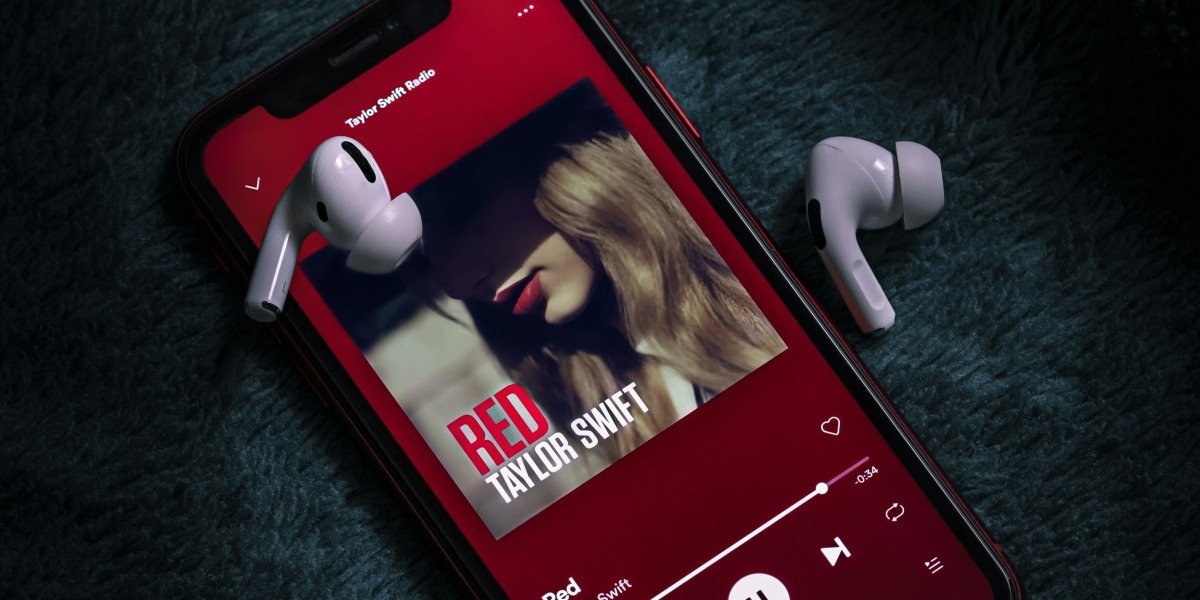
Taylor Swift recently added four previously unreleased songs to streaming services to boost her catalog’s visibility and deepen fan engagement during her ongoing global tour. By releasing “Safe & Sound (Taylor’s Version),” “Eyes Open (Taylor’s Version),” “If This Was a Movie (Taylor’s Version),” and “All of the Girls You Loved Before,” she bypassed traditional marketing to spark immediate digital conversation. This move ensures her music remains at the top of streaming algorithms while giving fans new material to dissect and share.

A New Way to Release Music

Instead of following the usual path of announcing a song weeks in advance, Taylor Swift chose to drop these tracks directly onto platforms like Spotify and Apple Music. This “surprise drop” method works because her fan base is extremely active online. When the songs appeared, social media platforms like X and TikTok were immediately filled with reactions. People began sharing their favorite lyrics and making videos using the new audio, which helped the songs climb the charts without a single dollar spent on traditional billboard ads.

This strategy relies on the power of the “vault.” In the music industry, a vault refers to songs that were recorded in the past but never officially released. By reclaiming these older songs and re-recording them, Swift creates a bridge between her past work and her current success. It turns her entire career into a living project rather than a series of finished chapters.

The Power of the Numbers

The impact of these releases is easy to see in the data. On the day these four tracks arrived, Swift saw a significant jump in her daily streaming numbers. According to industry data, “All of the Girls You Loved Before” gained over 5 million streams in its first 24 hours on Spotify alone. This pushed her total daily streams even higher, often exceeding 80 million across her entire catalog.

Industry experts note that this is not just about the new songs themselves. “Every time a superstar like Swift drops a new track, it acts as a gateway,” says Marcus Thorne, a digital music analyst. “Listeners don’t just play the new song. they often stay on the artist’s profile to listen to their older hits, which keeps the artist at the top of the ‘Most Streamed’ lists for weeks.”

Why Fans Love the Mystery

For the fans, these releases are about more than just music. They are about community and storytelling. Because these songs were released without a formal explanation, fans spent hours creating theories about why these specific tracks were chosen. Some noticed that “Safe & Sound” and “Eyes Open” were originally from The Hunger Games soundtrack, leading to speculation that she wanted to own the rights to her contributions to that film series.

Others focused on “All of the Girls You Loved Before,” a song that was previously leaked online but never officially released. By putting it on streaming services, she gave fans a high-quality version of a track they already loved. This creates a sense of loyalty. Fans feel like the artist is listening to them and rewarding their dedication.

Keeping the Momentum Alive

This tactic is part of a larger pattern in the modern music business. In the past, an artist would release an album, tour, and then disappear for a few years to write the next one. Today, the goal is to stay visible at all times. Swift has mastered this by using deluxe editions, “From The Vault” tracks, and surprise additions to keep her name in the news cycle.

“The old model was about the ‘big launch,'” explains Sarah Jenkins, a music historian. “The new model is about ‘constant presence.’ By releasing songs in small batches between major albums, Swift ensures that the streaming algorithms never forget her. She is essentially competing with herself for the number one spot.”

The Economic Impact

Beyond the art, there is a clear financial benefit. Streaming services pay artists based on their total share of the “pool” of streams. By adding more songs to the platform, Swift increases her share of that pool. When you have a catalog as large as hers, even small additions can lead to millions of dollars in extra revenue over time.

Additionally, these releases help promote her live shows. Fans attending her tour often hope to hear “surprise songs” during the acoustic set. By releasing these vault tracks, she adds more possibilities to her setlist, which makes every concert feel like a unique event that could feature a brand-new release.

A Lasting Influence

Taylor Swift’s approach is changing how other artists think about their work. More musicians are now looking at their unreleased demos and soundtrack contributions as valuable assets. Instead of letting these songs sit in a studio archive, they see them as tools to connect with an audience that is always hungry for more content.

This shift shows that in 2026, the relationship between an artist and a fan is a continuous conversation. A simple, unannounced upload to a streaming service can be just as powerful as a multimillion-dollar marketing campaign. It relies on the quality of the music and the strength of the community, proving that if the songs are good enough, the fans will do the work of telling the world.

Oscars 2026 In Memoriam: Rachel McAdams And Barbra Streisand Deliver Emotional Tribute

The 98th Academy Awards, held on March 15, 2026, featured several emotional tributes during its “In Memoriam” segment, which honored the legends the film world lost over the past year. Rachel McAdams made a rare and moving appearance to remember her The Family Stone co-star Diane Keaton and fellow Canadian Catherine O’Hara. Additionally, Barbra Streisand returned to the stage to perform a short, heart-wrenching tribute to her late The Way We Were co-star Robert Redford. These moments provided a space for reflection during an evening that celebrated the future of cinema, reminding audiences of the lasting power of those who shaped it.

Rachel McAdams Returns for a Personal Tribute

Rachel McAdams had not attended the Academy Awards in a full decade, but she stepped back onto the stage to honor two women who were very important to her. Wearing a gold gown, she appeared visibly moved as she spoke about Diane Keaton and Catherine O’Hara. Keaton passed away in October 2025, and O’Hara died in early 2026.

McAdams spoke about Keaton with deep respect, saying, “For over 50 years, luminous on screen and indelible in life, believe me when I say there isn’t an actress of my generation who is not inspired by and enthralled with her absolute singularity.” She also shared a sweet memory by quoting a song Keaton loved from the Girl Scouts: “Make new friends, but keep the old; one is silver, the other is gold.”

Turning to her fellow Canadian, Catherine O’Hara, McAdams described her as a “comedic genius and scene-stealer.” O’Hara, known for Schitt’s Creek and Home Alone, was celebrated for her unique ability to make audiences “laugh until they cried.”

Barbra Streisand’s Musical Farewell

The night’s most powerful musical moment came when 83-year-old Barbra Streisand appeared to honor Robert Redford. Redford passed away in September 2025 at the age of 89. This was Streisand’s first time performing at the Oscars since 2013, making the occasion even more special for the fans in attendance.

Before she sang, Streisand shared stories about their time filming The Way We Were in 1973. She called Redford an “intellectual cowboy who blazed his own trail.” She also highlighted his work outside of acting, such as his support for the environment and his work with the Sundance Institute. Streisand finished her speech by singing a few lines from their famous theme song, which brought many people in the audience to tears.

“Bob had real backbone on and off the screen,” Streisand said. “He was thoughtful and bold… and I miss him now more than ever.”

A Year of Heavy Loss for Hollywood

The “In Memoriam” segment was longer than usual this year because of the many famous figures who died recently. Aside from Keaton, O’Hara, and Redford, the ceremony also honored director Rob Reiner, who was remembered in a special speech by his close friend Billy Crystal.

Icon HonoredNotable WorkPassed Away
Robert RedfordButch Cassidy and the Sundance KidSeptember 2025
Diane KeatonAnnie Hall, The GodfatherOctober 2025
Rob ReinerWhen Harry Met Sally, Stand by MeDecember 2025
Catherine O’HaraSchitt’s Creek, Home AloneJanuary 2026

Data from the broadcast indicated that viewership for the ceremony was up by 12% compared to the previous year. Many people tuned in specifically to see these tributes to their favorite stars.

Reflections on a Changing Industry

Film experts noticed how these losses signal a change in the industry. As the stars of the “New Hollywood” era of the 1970s pass away, the Academy is finding ways to celebrate their work while welcoming a new group of leaders.

Film critic Sarah Jenkins explained, “The tributes this year felt more personal because the presenters had real, deep connections to the people they were honoring. Seeing Rachel McAdams and Barbra Streisand share those stories reminds us that Hollywood is a small community that values its history.”

The 98th Academy Awards showed that while movies and technology change, the emotional impact of a great actor never fades. By taking the time to stop the show and remember these legends, the Academy ensured that their contributions to art would not be forgotten.

Miley Cyrus Returns for Hannah Montana 20th Anniversary Special on Disney+

Miley Cyrus is officially returning as her legendary character for the Hannah Montana 20th Anniversary Special, which will premiere on Disney+ on March 24, 2026. This date is exactly twenty years after the very first episode aired on television. The special features Miley back on the show’s original sets, wearing her famous blonde wig, and looking back at how the series changed her life. It is not a new season with a script, but a celebration that includes a deep interview, family reunions, and musical performances.

Stepping Back into the Best of Both Worlds

For many people who grew up in the mid-2000s, Hannah Montana was more than just a TV show. It was a massive cultural event that turned a teenager from Tennessee into a global star. Now, two decades later, Miley Cyrus is ready to embrace that past. The trailer for the special shows her walking through the double doors of the Stewart family kitchen and spinning around in the famous revolving closet. These spaces were rebuilt to look exactly like they did in 2006, giving the whole event a very real, nostalgic feeling.

Miley shared a statement about why she wanted to do this now. She said that Hannah Montana will always be a part of who she is. She called this event a “Hannah-versary” and explained that it is her way of thanking the fans who have stayed by her side for twenty years. She feels proud that the show still means so much to people even after all this time.

What Fans Will See in the Special

The special is hosted by Alex Cooper, who is known for her podcast Call Her Daddy. Instead of a standard TV interview, this conversation happened in front of a live studio audience. This allowed fans to be part of the moment and see Miley’s reactions as she watched old clips. Disney also promised to show archival footage that has never been seen by the public before. This includes behind-the-scenes moments from the very first days of filming.

There are also hints about “familiar notes” returning to the stage. This suggests that Miley might perform some of the classic Hannah Montana songs. While she has spent years making rock and pop music as herself, hearing her sing those old hits with her adult voice is something many fans are excited about.

Support from Family and Experts

The anniversary is a family affair. Miley’s father, Billy Ray Cyrus, joins her on the recreated living room set. In the teaser, they are even seen doing their famous hip-bump dance from the show. Her mother, Tish Cyrus, is also an executive producer for the special and appears in segments where they look through old costumes and scrapbooks.

Ayo Davis, the president of Disney Branded Television, believes the show’s legacy is still very strong. He said that Hannah Montana opened a door for fans to dream big and embrace every side of themselves. He called the project a “love letter” to the fans. Industry experts agree that the show’s impact is hard to ignore because it changed how kids’ television and music worked together.

Important FactsData and Details
Global StreamingOver 500 million hours watched on Disney+
Teaser Popularity123.3 million views in the first 24 hours
Music Success14 platinum and 18 gold albums worldwide
Original Run4 seasons and 98 episodes (2006-2011)
Feature Films2 movies released in theaters

Why the World is Still Watching

The data shows that people are still very interested in this story. When the teaser for the special was released in February, it got over 123 million views in just one day across social media platforms like TikTok and Instagram. This proves that the audience has grown up but has not forgotten the show. Many adults who watched the show as children are now introducing it to their own kids.

Disney+ has already started a non-stop stream of every episode and movie from the franchise to help people prepare for the March 24 premiere. This marathon allows fans to see Miley Stewart’s journey from a regular girl to a superstar all over again.

Miley mentioned that she wanted her fans to “feel seen” during this celebration. She knows that while she has evolved as an artist, her fans have also grown up and changed. Seeing her honor the character that started it all is a sign of how much she values that shared history. It is a rare moment where a star of her level looks back with so much gratitude and kindness.