Celebrity News

How Androgynous Models Are Redefining Beauty and Gender in Fashion

The Rise of Androgynous Fashion Models: A Style Revolution

Fashion has always been a powerful mirror, reflecting and influencing societal norms. In recent decades, one of the most compelling shifts has been the rise of androgynous fashion models, individuals who embody a fluid blend of masculine and feminine characteristics. This movement is more than just a passing trend; it represents a significant style revolution that challenges traditional gender binaries and promotes inclusivity, self-expression, and a broader understanding of beauty. These models, with their unique aesthetics, are reshaping perceptions on runways and in advertising campaigns worldwide.

The increasing visibility of androgynous models is a testament to evolving cultural attitudes towards gender and identity. They push boundaries, offering a refreshing alternative to rigidly gendered presentations and opening up new possibilities for creative expression in clothing. This article will delve into the historical roots of androgynous fashion, highlight prominent figures who have championed this aesthetic, and explore the profound impact these models have had on the industry and society at large.

A Historical Walk Through Androgynous Fashion

Androgynous fashion is far from a new concept, with its roots stretching back centuries across various cultures. From ancient civilizations where clothing often transcended strict gender codes to 17th-century European aristocrats donning elaborate lace, ruffles, and even heels regardless of gender, the blurring of masculine and feminine aesthetics has long been present. However, it was in the 20th century that androgyny began to gain significant momentum in mainstream fashion, often driven by cultural shifts and rebellious artistic movements.

The 1920s saw the emergence of the “flapper” style, where women adopted a boyish silhouette, short bobbed hair, and looser clothing, rejecting the restrictive corsets of the Victorian era. Iconic figures like Marlene Dietrich further pushed boundaries in the 1930s, famously wearing tuxedos and trousers in public and on screen, challenging prevailing norms of femininity. The 1960s and 70s brought another surge of androgyny, fueled by counterculture movements and glam rock. Artists like David Bowie, with his alter ego Ziggy Stardust, and Mick Jagger, wearing dresses on stage, became pioneers, using fashion to express gender fluidity and individuality.
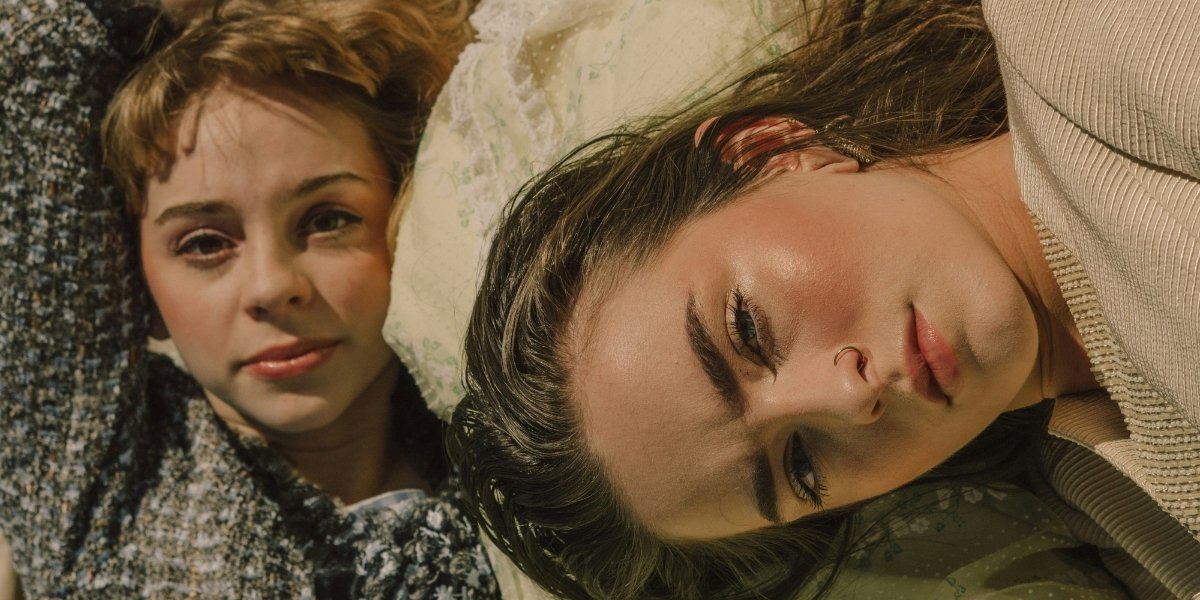
How Androgynous Models Are Redefining Beauty and Gender in Fashion

Photo Credit: Unsplash.com

The 1980s saw designers like Jean Paul Gaultier challenging traditional menswear with skirts for men, while Japanese avant-garde designers like Yohji Yamamoto and Rei Kawakubo embraced deconstructed, oversized, and often gender-ambiguous silhouettes. These historical moments laid the groundwork for the contemporary rise of androgynous fashion models, demonstrating that the appeal of blurring gender lines in attire has a rich and enduring lineage.

Iconic Androgynous Models and Their Impact

The modern era of fashion has seen several groundbreaking androgynous models rise to prominence, becoming faces that define this style revolution. These individuals, through their distinctive looks and powerful presence, have not only graced countless magazine covers and walked for top designers but have also become advocates for gender fluidity and self-expression. Their impact extends beyond aesthetics, challenging conventional beauty standards and inspiring a more inclusive vision of identity.

One of the most recognized figures is Andreja Pejić, a Serbian-Australian model who gained fame for her ability to model both men’s and women’s collections with equal conviction before publicly transitioning to a woman in 2013. Her early career as an “androgynous” model, often appearing in haute couture shows for Jean Paul Gaultier and campaigns for major brands, opened doors and conversations about gender presentation in high fashion. Similarly, Erika Linder, a Swedish model and actress, has been widely recognized for her ability to seamlessly transition between masculine and feminine roles in editorials and campaigns, working with brands like Louis Vuitton and Tom Ford.

Other influential figures include Rain Dove, an American non-binary model and activist known for their striking features and advocacy for gender diversity, and Grace Jones, whose bold, angular features and edgy style in the 70s and 80s made her an early icon of androgynous chic. More recently, artists and public figures like Harry Styles and Jaden Smith have also contributed to the mainstream acceptance of gender-fluid fashion, donning traditionally feminine attire and blurring gender lines, often inspiring younger generations to embrace similar forms of self-expression. These models and personalities don’t just wear clothes; they embody a broader cultural shift towards individuality and authenticity.

The Influence on Design and Retail

The rise of androgynous fashion models has had a profound impact on the design and retail landscapes, leading to a significant shift towards more gender-neutral and inclusive collections. Designers are increasingly moving away from rigid binary categories, creating garments that can be worn by anyone, regardless of their gender identity. This is reflected in the growing popularity of “unisex” or “genderless” lines, which prioritize comfort, versatile silhouettes, and a fluid aesthetic.
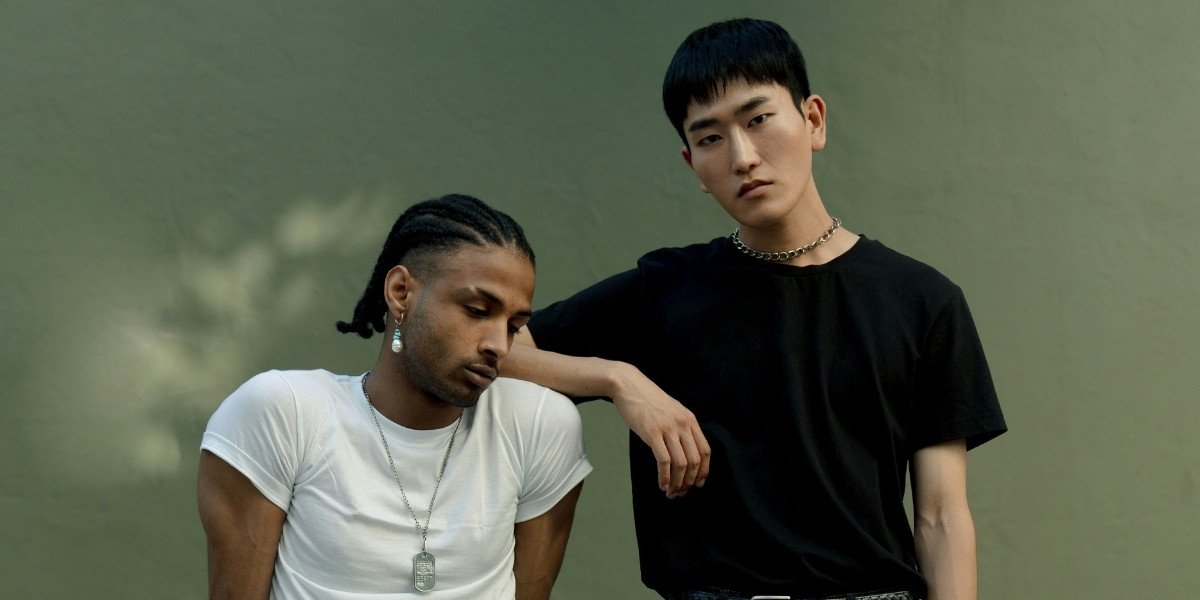
How Androgynous Models Are Redefining Beauty and Gender in Fashion

Photo Credit: Unsplash.com

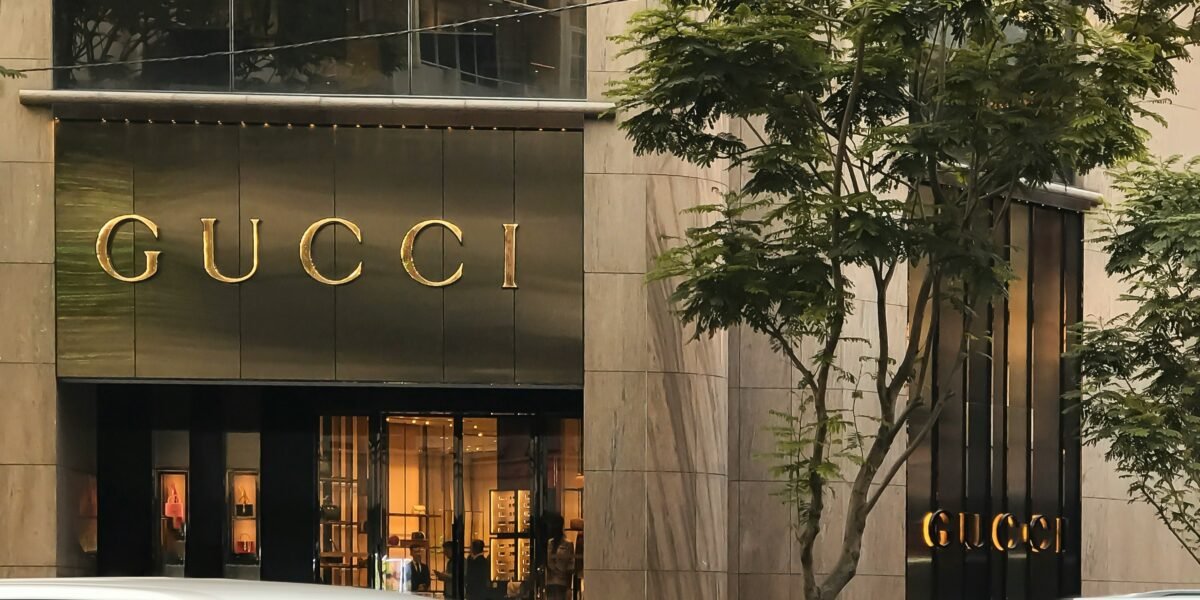
Contemporary designers like Rick Owens, known for his architectural and often gender-ambiguous designs, and houses like Gucci (under Alessandro Michele’s former creative direction), which frequently presented men and women in similar opulent, romantic styles, have been at the forefront of this movement. Brands like Vetements and Comme des Garçons also continually push boundaries with oversized, deconstructed, and non-form-fitting garments that defy traditional gendered tailoring. This approach offers a liberating alternative to historically restrictive menswear and womenswear categories.

Beyond high fashion, the influence is permeating mainstream retail. More and more brands are introducing gender-neutral sections or entirely ungendered collections, responding to consumer demand for clothing that allows for individual expression without conforming to traditional gender roles. This shift isn’t just about aesthetics; it also aligns with broader movements towards sustainability, as gender-neutral garments can potentially have a longer lifespan and wider appeal across different users. The focus is increasingly on the garment itself and how it makes the wearer feel, rather than who it is “supposed” to be for.

Societal Impact and Future of Gender Fluidity in Fashion

The rise of androgynous fashion models and the accompanying shift in design have had a significant societal impact, contributing to a broader acceptance of gender fluidity and challenging deeply ingrained stereotypes. By showcasing individuals who embody diverse expressions of masculinity and femininity, these models help to normalize non-binary identities and empower people to dress in ways that authentically reflect who they are, rather than adhering to prescribed gender roles. This visibility fosters a more inclusive and tolerant society.

This stylistic revolution encourages critical thinking about how clothing has historically been used to define and often limit gender expression. It highlights that fashion is a form of self-expression, not a rigid identifier of biological sex. For the LGBTQ+ community, particularly non-binary and gender non-conforming individuals, the increased representation of androgynous models provides validation and a sense of belonging, seeing their identities reflected and celebrated in mainstream media.

The influence of androgynous fashion models is likely to continue growing. As younger generations increasingly reject strict gender norms, the demand for gender-neutral clothing and more diverse representation will only intensify. This isn’t just about what’s “trendy”; it’s about a fundamental evolution in how society views gender and individuality. Fashion, with its powerful visual language, will continue to play a crucial role in dismantling binary expectations and paving the way for a more fluid, inclusive, and expressive future for all. The runway is becoming a stage for a truer reflection of humanity’s multifaceted identities.
Catherine Lagaʻaia Stars in Disney’s Moana Remake With Dwayne Johnson Back as Maui

The Trailer and First Look

Disney has released the first teaser for the live-action remake of Moana, giving fans an early glimpse at how the beloved story is being brought into the real world. The clip opens with actress Catherine Lagaʻaia singing a soft line from “How Far I’ll Go,” immediately invoking the emotional centerpiece of the animated original. Viewers then see her first interaction with the ocean, capturing the same sense of wonder that defined Moana’s calling in the 2016 film.

Sweeping aerial shots introduce the island of Motunui in vivid detail, while the teaser concludes with a brief look at Dwayne Johnson reprising his role as Maui. He’s shown leaping off a cliff in a scene that closely mirrors the demigod’s animated debut — a nod meant to bridge nostalgia with the new direction of the remake.

Early fan reactions online reflect both excitement and cautious optimism. Many feel honored to see the journey retold, while others are curious about how closely the live-action film will stick to the original storyline. This mixed response highlights the tightrope Disney walks with every remake: honoring memory while offering something newly cinematic.


Cast and Creative Team

Moana stars Catherine Lagaʻaia in her feature film debut as the determined wayfinder. Raised in Sydney with Samoan heritage, she has spoken about the importance of representing Pacific Island cultures on screen and creating visibility for girls who share that background.

Dwayne Johnson returns as Maui, reprising the role that first connected him to the Disney franchise nearly a decade ago. His involvement adds continuity to the remake and maintains the character’s larger-than-life presence.

Supporting cast includes:

  • John Tui as Chief Tui, Moana’s father
  • Frankie Adams as Sina, her mother
  • Rena Owen as Grandma Tala

The film is directed by Thomas Kail, whose background in musical storytelling and stage production suggests a strong emphasis on emotional rhythm and big performance moments — critical elements for a story so closely tied to its songs.


Release Timeline

Disney has scheduled the theatrical release of Moana for July 10, 2026, placing it firmly within the summer blockbuster season. This timeframe traditionally attracts family audiences and worldwide moviegoers looking for large-scale, event-driven films.

International releases will follow closely behind the U.S. debut, with country-specific adjustments for theater scheduling.

While streaming plans haven’t been formally announced, Disney’s usual release strategy suggests the film will arrive on Disney+ following its theatrical run later in the year.


Why the Remake Matters

The decision to reimagine Moana fits into Disney’s broader effort to translate animated classics into live-action experiences. Some fans remain divided on the trend, but titles like this continue to draw strong interest because of their emotional familiarity and built-in global audience.

For Pacific Island communities, the casting of Catherine Lagaʻaia carries cultural importance. Her visible pride in representing Samoan and broader Pacific heritage signals Disney’s attempt to bring authenticity into the project, not just nostalgia.

At its heart, Moana tells a story about identity, belonging, and courage — themes that continue to resonate regardless of format. The live-action remake offers a new way to connect audiences to those ideas while introducing the journey to viewers who may be encountering Moana for the first time.

The challenge ahead lies in striking the right balance: preserving the spirit of the animated original while letting the physical performances, real-world landscapes, and updated visuals add depth.

If the teaser is any indication, Disney aims to walk that line carefully — honoring the story fans love while crafting a fresh cinematic experience for a new era.

Coldplay’s Ticket Fight Highlights Changing Fan Access in Live Music

Concert tickets have become increasingly difficult to afford. Many resale platforms list seats at several times their face value, and fans who hesitate even a few minutes during initial sales often find themselves completely priced out. What once felt like a manageable splurge has turned into an overwhelming financial hurdle for everyday concertgoers.

This frustration has grown loud enough that artists are stepping in publicly. Coldplay recently joined dozens of other performers in urging UK policymakers to limit ticket resale markups and put protections in place for fans. Their message was clear: unchecked resale pricing undermines trust in the ticketing system and blocks real people from access to live music.

For audiences, this fight isn’t only about saving money — it’s about inclusion. Concerts are cultural moments that bring generations together. Parents want to take their kids to see the bands they love. Young adults want to attend their first big show without needing to take on debt. When inflated pricing dominates, these shared experiences become privilege-only events instead of community gatherings.

Coldplay’s decision to publicly support pricing reform resonates because it reflects the same frustrations fans vocalize every day.


Artists Taking Control of Access

Coldplay’s take isn’t limited to public statements. The band has actively tested models designed to keep tickets affordable, including low-cost offerings such as their “Infinity Tickets,” which provide limited seats at a fixed budget-friendly price point.

This approach reflects a broader movement among artists who are reclaiming control over how their audiences access shows. Rather than relying solely on promoters or third-party platforms, musicians are exploring new ticketing structures that prioritize real fans over automated bulk purchasing systems.

The message behind these efforts is simple: affordability is part of the artist-fan relationship. Access matters just as much as performance.

For Coldplay, whose concerts are built around themes of togetherness and community, protecting ticket accessibility aligns naturally with their public identity. Keeping more fans in the crowd strengthens the emotional purpose of live music — connection, not exclusivity.


The Bigger Picture for Live Music

The debate over resale pricing extends beyond economics. It touches on what concerts represent culturally in 2025.

Live shows aren’t just entertainment — they’re collective moments. They’re where fans form memories, connect with artists, and experience the emotional energy that can’t be replicated through streaming or social media. When ticket prices spiral, that cultural exchange breaks down.

Advocates argue that automated ticket purchasing and speculative reselling disproportionately harm everyday listeners who buy tickets for enjoyment, not profit. Artists speaking out alongside consumer groups signals a growing push to rebalance fairness in the live-event ecosystem.

Coldplay’s role in this conversation highlights that the issue is no longer confined to behind-the-scenes logistics. It’s becoming part of the public culture around live music itself — a question of who these experiences are really meant for.


What Fans Can Expect Next

While legislation evolves slowly, artists aren’t waiting for government action to experiment with change. Many are now testing:

  • Verified fan ticket systems
  • Direct artist-to-fan ticket sales
  • Ticket lotteries with fixed pricing
  • Limited low-cost seat releases

These strategies aim to reduce the role of middlemen and bots, shifting access back toward true fans rather than speculative resale markets.

For concertgoers, the message is encouraging. Artists are paying attention. The concerns about affordability are finally being echoed by the people on stage, not just those standing outside ticket queues.

Coldplay’s involvement signals a meaningful shift — a recognition that live music can only thrive when audiences can actually afford to be in the room where it happens.

Colorism and Celebrities: The Truth About Skin Bleaching

In an era seemingly championing diversity and authenticity, a disconcerting phenomenon continues to cast a long shadow over beauty standards, particularly within communities of color: the pervasive use of skin bleaching products, often seemingly endorsed by the visibly lighter complexions of some celebrities. Skin bleaching, also known as skin lightening or skin whitening, is the practice of using chemical substances to reduce the melanin concentration in the skin, aiming for a paler or more even skin tone. While historically rooted in various cultural contexts, its modern prevalence is inextricably linked to deeply ingrained notions of beauty that favor lighter skin, often a legacy of colonialism and colorism.

The allure of lighter skin is not new. Throughout history, in various parts of the world, lighter complexions have been associated with status, wealth, and beauty, often because it indicated a life not spent toiling outdoors. However, the contemporary issue of skin bleaching is particularly insidious due to the potent combination of aggressive marketing, the powerful influence of celebrity culture, and the ready availability of often dangerous products. When prominent figures, particularly those from darker-skinned backgrounds, appear to have significantly lighter complexions, it inadvertently normalizes and even glamorizes a practice fraught with severe health risks and profound psychological distress.

This will delve into the complex and often troubling world of celebrity skin bleaching, examining its historical context, the dangerous health implications, the profound psychological toll it takes on individuals, and the broader societal impact it has on perpetuating harmful beauty ideals. By shedding light on this “dark side of light skin,” we aim to foster a greater understanding of the issues at play and advocate for a more inclusive and healthy vision of beauty that celebrates all skin tones.

What is Skin Bleaching and Its Controversial History?

Skin bleaching, also referred to as skin lightening or skin whitening, is the cosmetic practice of reducing the concentration or production of melanin in the skin to achieve a lighter complexion. This is typically done through the application of chemical substances, many of which can be highly potent and hazardous if used improperly or without medical supervision. Common ingredients found in these products include hydroquinone, corticosteroids, and mercury, each with its own set of risks and side effects that range from mild irritation to severe, irreversible damage.

The desire for lighter skin has a long and complex history, predating modern cosmetics. In ancient civilizations, Egyptians, Greeks, and Romans used various substances, including white lead and chalk, to achieve a paler appearance, associating it with purity, aristocracy, and beauty. Similarly, in parts of Asia, practices to whiten skin existed for centuries, with a proverb stating “A white complexion is powerful enough to hide several faults” in East Asian cultures. These historical trends were often linked to social status, as lighter skin indicated a life of leisure, away from the sun’s darkening rays, unlike those who labored outdoors.

However, the practice took on a more insidious dimension with colonialism and the transatlantic slave trade. European colonial powers often imposed a racial hierarchy where lighter skin was equated with intelligence, beauty, and power, while darker skin was associated with inferiority. This “colorism” became deeply ingrained in many post-colonial societies, leading to an internalized preference for lighter skin that persists today. This historical legacy continues to drive the demand for skin lightening products globally, particularly in parts of Africa, Asia, and Latin America, where lighter skin is still often perceived as a gateway to social acceptance, economic opportunities, and increased perceived beauty.

What Are the Severe Health Risks Associated with Skin Bleaching?

Photo Credit: Unsplash.com

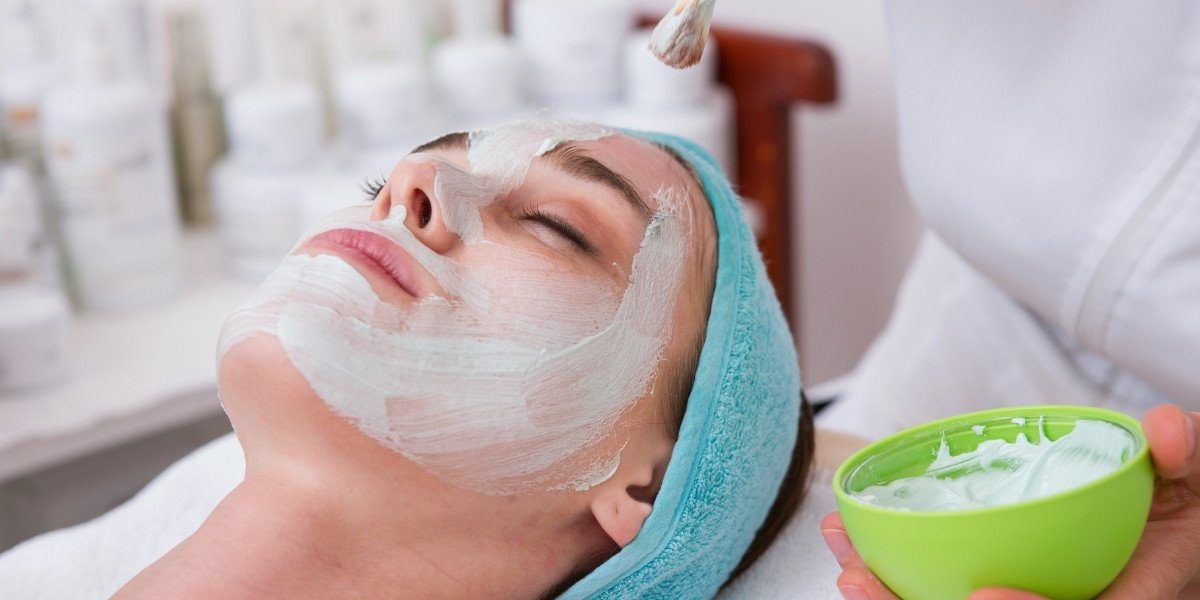
The pursuit of lighter skin through chemical bleaching often comes at a steep price: a range of severe and sometimes irreversible health complications. Many skin lightening products, particularly those sold illicitly or over-the-counter in unregulated markets, contain dangerous levels of active ingredients that can cause significant harm. One of the most alarming is mercury poisoning, as mercury is a highly toxic chemical sometimes included in these creams to inhibit melanin production. Symptoms of mercury poisoning can include numbness, high blood pressure, fatigue, sensitivity to light, neurological issues (like tremors and memory loss), and even kidney damage. Prolonged exposure can lead to systemic toxicity, affecting vital organs.

Another prevalent and dangerous ingredient is hydroquinone, a strong bleaching agent that, when used improperly or for extended periods, can lead to a condition known as exogenous ochronosis. This condition results in paradoxical and permanent blue-black hyperpigmentation on the skin, often appearing as dark, disfiguring patches. This tragic irony means that the very products used to lighten the skin can ultimately cause severe darkening and discoloration that is incredibly difficult, if not impossible, to reverse.

Many skin bleaching creams contain potent topical corticosteroids, which are powerful anti-inflammatory drugs. While they can temporarily lighten skin, long-term or unsupervised use can lead to a host of dermatological problems, including thinning of the skin (making it fragile and prone to tearing), visible blood vessels, stretch marks, steroid-induced acne, and impaired wound healing. Beyond skin-deep issues, the absorption of high levels of corticosteroids into the bloodstream can cause systemic side effects, impacting hormonal balance and potentially leading to conditions like Cushing’s syndrome. The lack of awareness regarding these grave risks among users underscores the urgent need for public health education and stricter regulation of these hazardous products.

How Does Celebrity Bleaching Influence Societal Beauty Standards?

The visibility of celebrities, particularly in the age of social media, grants them immense power in shaping global beauty standards. When a prominent figure, especially one from a racial or ethnic group traditionally associated with darker skin, appears with a significantly lighter complexion, it sends a powerful, often unspoken, message that lighter skin is preferable or more desirable. This phenomenon, sometimes referred to as “beauty whitewashing,” reinforces and perpetuates existing colorist biases within society. It implicitly suggests that even those who achieve immense success feel the need to conform to Eurocentric beauty ideals, thereby validating the harmful notion that lighter skin is intrinsically more beautiful, more professional, or leads to greater acceptance.

This influence is particularly potent in regions where colorism is deeply entrenched, such as many parts of Asia, Africa, and Latin America. Children and young adults, who often look to celebrities as role models, may internalize these images and develop a “bleaching syndrome,” a psychological internalization of preference for the dominant, often lighter-skinned, culture’s ideals. This can lead to decreased self-confidence, self-contempt for their natural skin tone, and a belief that their darker complexion is an obstacle to success or happiness. The subtle or overt alteration of skin tone in celebrity advertisements, even if digitally retouched, further distorts perceptions of reality and exacerbates these insecurities.

The impact extends beyond individual psychological distress to broader societal implications, creating hierarchies within communities of color. Lighter-skinned individuals may be favored in media representation, employment opportunities, and even romantic relationships, while darker-skinned individuals face continued marginalization. This perpetuates a cycle of colorism, where the actions of highly visible celebrities, whether intentional or not, contribute to a beauty standard that remains exclusionary and damaging, highlighting the immense responsibility that comes with their platform.

What Are the Psychological and Societal Impacts of Skin Bleaching?

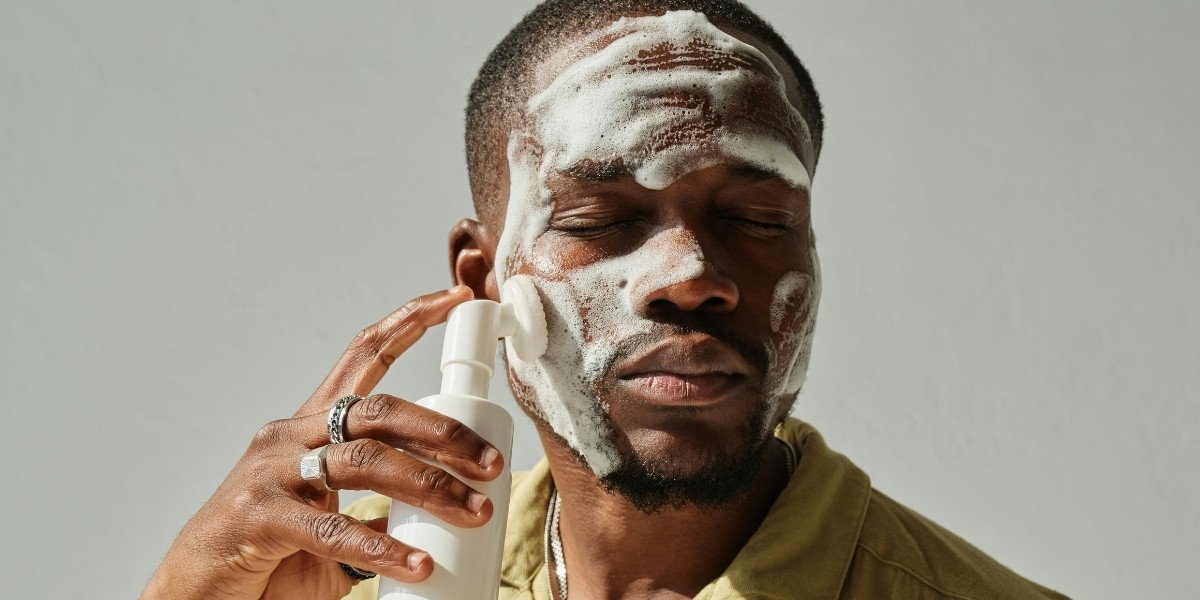
The psychological toll of skin bleaching is profound and often goes hand-in-hand with the physical dangers. At its core, the motivation for skin lightening is often rooted in deep-seated insecurities, body image issues, and the internalized belief that one’s natural skin tone is inherently less desirable or valuable. This can lead to low self-esteem, self-hatred, and a diminished sense of self-worth. Individuals engaging in skin bleaching may experience significant psychological distress, including anxiety and depression, particularly if they are unable to achieve the desired results or suffer from adverse side effects like permanent discoloration.

Photo Credit: Unsplash.com

Societally, the widespread practice of skin bleaching, fueled in part by celebrity influence, entrenches and reinforces colorism – discrimination based on skin tone, usually favoring lighter skin. This creates a harmful hierarchy within racial and ethnic groups, where lighter-skinned individuals may receive preferential treatment in various aspects of life, from media representation to professional opportunities and social acceptance. This perpetuates a cycle of prejudice, where darker-skinned individuals face systemic disadvantages and are subtly or overtly pressured to conform to an unnatural beauty standard.

The global skin lightening industry, valued at billions of dollars annually, thrives on these insecurities and societal biases. Its aggressive marketing often preys on cultural aspirations for lighter skin, promoting products that promise not just beauty but also social mobility and success. This commercial exploitation of deep-seated insecurities creates a public health crisis that is as much psychological as it is physical, fostering a toxic environment where natural skin tones are devalued. Addressing this complex issue requires not only medical intervention but also broad societal change to dismantle colorism and promote self-acceptance and diverse beauty ideals.

How Can Society Move Towards a More Inclusive Beauty Standard?

Moving beyond the harmful impact of skin bleaching and celebrity influence requires a multi-pronged approach that addresses both individual perceptions and systemic biases. Firstly, there needs to be a radical shift in media representation. This means actively promoting and celebrating diverse skin tones across all forms of media – film, television, advertising, and fashion. Brands and media outlets must commit to showcasing the natural beauty of darker skin, moving beyond tokenism to genuinely embed diverse representations in their narratives and campaigns. This normalization of varied complexions is crucial for dismantling the internalized preference for lighter skin.

Secondly, comprehensive education and awareness campaigns are vital. Public health initiatives, particularly in regions with high prevalence of skin bleaching, need to effectively communicate the severe health risks associated with these products, including mercury poisoning, ochronosis, and thinning skin. Beyond physical dangers, these campaigns should address the psychological toll of colorism and promote self-acceptance and body positivity for all skin tones, empowering individuals to embrace their natural beauty. Schools and community organizations can play a significant role in fostering these conversations from a young age.

Finally, stricter regulation and enforcement of skin lightening products are essential. Governments and health authorities globally must crack down on the illegal sale of hazardous bleaching agents, especially those containing mercury and high concentrations of unprescribed steroids. This includes monitoring online markets and ensuring that product labeling is transparent and accurate. Simultaneously, celebrities and influencers have a moral imperative to use their platforms responsibly, advocating for healthy beauty standards and actively rejecting practices that perpetuate colorism. By combining these efforts, society can collectively move towards a more inclusive, healthy, and genuinely empowering vision of beauty that celebrates the full spectrum of human skin.

Elle Fanning Wows in Gucci Gown at Governors Awards 2025

Elle Fanning turned heads at the 2025 Governors Awards in Los Angeles, arriving in a custom petal-pink Gucci gown that immediately positioned her as one of the best-dressed stars of the night. The strapless dress shimmered from top to bottom, covered entirely in soft, light-catching sequins that moved with her on the carpet. She paired the look with Cartier diamonds — a necklace and bracelet — adding refinement without overwhelming the gown’s delicate tone.

Her glam stayed restrained: blush-toned makeup that echoed the color of the dress and soft waves that kept the look youthful and modern. The result was a romantic silhouette with a contemporary edge, a combination fashion reporters noted as one of the evening’s strongest style moments. Coverage from AOL described her as “blushed in petal pink Gucci,” capturing how the dress seemed almost tailor-made for the event’s understated elegance.

Even in a room full of major Hollywood names, Elle’s look rose to the top of the conversation.


Why the Look Landed So Well

Fashion writers called the look “Barbie-coded,” highlighting its playful femininity balanced with couture precision. Commentary from Yahoo Entertainment described the sequins as giving the gown “a sparkling finish that felt both glamorous and approachable,” which captured the charm of her appearance — glamour without intimidation.

Red Carpet Fashion Awards praised Gucci’s execution, noting that the dress felt “romantic without feeling costume-y,” a key distinction in a year where bold colors and silhouettes dominated many carpets. Luxferity added that the sequins reflected the ambient lighting inside the venue, giving Elle a soft, radiant glow throughout the night.

For fans and fashion critics, the gown reaffirmed something Elle has been known for her entire career: she never forces a look. She consistently chooses style moments that feel intentional, polished, and authentic to her personality.


The Night’s Bigger Context

The Governors Awards honored Debbie Allen, Tom Cruise, Wynn Thomas, and Dolly Parton for their contributions to film and culture. While Elle wasn’t an award recipient, her presence was impossible to ignore. Variety placed her among the event’s top-tier best-dressed list, noting how she elevated the night’s red carpet energy.

Her appearance also ties into her ongoing momentum in the industry. Elle continues to balance high-profile acting roles with producing through Lewellen Pictures, the company she runs alongside her sister Dakota. Events like the Governors Awards keep her at the forefront of both Hollywood conversations and global fashion coverage.

Harper’s Bazaar spotlighted her gown as one of the standout looks of the night, emphasizing that she “proved pink is her color,” a sentiment echoed across social platforms.


Why Fans Connected With the Look

Elle Fanning’s relationship with fashion is defined by consistency — not repetition, but reliability. She brings novelty to each red carpet without resorting to shock value. Her Gucci gown struck that balance perfectly, prompting fans online to describe the look as “modern princess” and critics to note its restraint amid more theatrical choices at the event.

The Governors Awards often set the aesthetic tone for the upcoming Oscars season. With a look this strong, Elle signaled she’s likely to remain a fashion fixture throughout awards season.

One fan summed up the general sentiment best:
“Elle always looks like herself, even in couture.”
That authenticity — effortless, elegant, and unmistakably her — is why this moment resonated far beyond a single red carpet.

Jennifer Lopez Strengthens Netflix Partnership With New Creative Projects

How Jennifer Lopez Built A Long-Term Path With Netflix

Jennifer Lopez has been part of entertainment for decades, but her partnership with Netflix shows a shift in how she shapes her career. Instead of working project to project, she’s building a structure that lets her act, produce and guide stories through her production company. This type of partnership means she’s helping choose which stories get made and how they reach audiences. It gives her room to support scripts and concepts that match her vision rather than waiting for a perfect role to appear.

Her deal with the platform covers films and series, including dramas, thrillers and projects based on books. By working through her company, she can push ideas forward at an earlier stage. That helps her stay involved through writing, casting and production. It also gives her room to pick stories that reflect women and other voices that sometimes feel overlooked in large studio systems. Many artists look for ways to hold more creative control, and this partnership gives her room to do that without stepping away from acting.

The partnership also builds stability. Streaming platforms want content that draws different audiences. Lopez brings a global audience, and that reach matters for projects that need wide visibility. It also lets her expand her brand beyond music and acting. She’s building a library of work that shows her range and long-term goals. Instead of leaning on a single type of role, she’s shaping stories that match where she wants her career to go.

Why Production Work Matters For Her Career

Acting and music have shaped Lopez’s path, but production work adds a different layer. Producing means she helps find material, choose directors and shape the tone of a project. It also lets her use her experience to guide newer talent. Many stars reach a point where they want more influence over the work they take on. Production gives her the chance to help build stories that match the themes she cares about.

Working with Netflix also brings global reach. When a film or series drops on the platform, it becomes available to viewers in different countries at the same time. That type of access is valuable when a project needs broad appeal. It also supports long-term viewing, because titles stay available for people to discover at their own pace. For Lopez, this means her work stays visible longer than a typical theatrical window allows.

Another reason production matters is the way it supports new creativity. Lopez can help choose projects that highlight diverse female writers and filmmakers. That aligns with her company’s focus on supporting underrepresented voices. These steps help shift entertainment toward wider representation. Instead of waiting for the industry to change, she’s working on change from within by building stories that open more space for people with different backgrounds.

What This Deal Means For The Streaming World

Streaming platforms compete for attention. Audiences have more options than ever, and platforms look for ways to keep viewers engaged. Partnering with well-known stars helps keep content fresh. Lopez brings experience across music, film and business. Those strengths help shape projects that appeal to different types of viewers. It also means she’s able to blend genres and try new formats without relying on traditional studio structures.

Netflix benefits from having long-term relationships with creators who understand the entertainment space. Lopez’s partnership adds a steady source of projects that match the platform’s interest in global reach. It also supports the trend of stars taking ownership of their work. Many actors now want to shape the stories they tell. By building deals with production companies, platforms create pathways for that type of collaboration.

The deal also reflects how streaming reshapes careers. Instead of being defined by theatrical releases, stars can grow through steady production work. They can release films, series and documentaries while building their own creative identity. For Lopez, this creates a long-term space to choose the right stories and produce multiple projects without pressure to chase short-term trends. The partnership becomes a structure for consistency rather than a single moment.

How Lopez’s Projects Could Shape Representation

Lopez’s company has been clear about highlighting women and diverse voices. This matters because representation on screen affects how audiences view themselves and their experiences. By choosing scripts that center underrepresented groups, she helps expand which stories get told. Because Netflix has broad reach, the impact extends beyond the United States. People from different backgrounds get to see stories that feel familiar or validating.

These projects also support new careers. Writers and directors who might not have had access to large platforms now gain visibility through Lopez’s support. This helps build confidence and creates new opportunities for talent that might otherwise feel overlooked. Production companies that focus on representation often shape long-term shifts because they prove that these stories can succeed commercially and creatively.

The deal also encourages more flexible casting and storytelling. Lopez’s work has shown interest in blending drama, romance and thriller elements. That blend opens room for characters with depth. It also shows studios and platforms that audiences welcome stories led by women of color. When projects perform well, they set examples that influence what gets greenlit in the future.

What Audiences Can Expect Moving Forward

Projects under Lopez’s deal are likely to spread across multiple genres. Some adaptations are already in development. Others may build original stories that draw from life experiences and the social themes she cares about. Viewers can expect stories with strong women, emotional tension and a mix of personal and family-driven narratives. Lopez has experience in both comedy and drama, which gives her flexibility as a producer and actor.

The timeline for releases depends on development steps that include writing, casting and production. Each project moves at its own pace. Some may release sooner as stand-alone films, while others may build into longer series. Streaming gives Lopez space to try different formats, including limited series and ensemble projects. This variety helps her test different ideas and find which stories resonate most with viewers.

As more projects launch, audiences may notice her increased presence in behind-the-scenes conversations. She’ll continue shaping stories and guiding creative decisions. This influence helps define the next chapter of her career. Instead of stepping back from the spotlight, she’s expanding into new roles that balance performance with creative leadership.

Why This Moment Matters

Lopez’s expanded work with Netflix shows how artists can grow their careers by building pathways that honor both creative goals and long-term vision. Instead of relying on traditional roles alone, she’s combining performance with production, business strategy and storytelling. This approach supports more representation, deeper creative control and stronger connections with global audiences.

Her move reinforces a trend that’s spreading through entertainment. Stars want to shape their work and help open the door for others. Partnerships like this make that possible. They blend talent, experience and broad reach, giving audiences stories that reflect wider perspectives. As Lopez continues building her path, she shows how artists can guide their careers with intention and steady growth.

From Hit to History: The Harsh Reality of TV Series Cancellations

Television series often come with the promise of long-running success, but the reality of TV cancellations is always looming, no matter how big a hit a show may seem. From fan-favorites to critical darlings, many shows have faced an unexpected demise, leaving viewers disappointed and curious about why they were canceled despite their popularity.

For actors, writers, and fans alike, the process of a show being canceled can feel like a betrayal, especially after months or years of commitment. But what happens behind the scenes? Why do networks pull the plug on series that seem to have all the right ingredients for success?

This takes a closer look at the harsh reality of TV series cancellations, exploring the reasons behind them, how they affect everyone involved, and what this trend means for the future of television.

Why TV Shows Get Canceled: A Deep Dive into the Business of Entertainment

Television networks are businesses, and like any business, their goal is to make a profit. Despite the cultural impact a series may have, its financial viability is often the deciding factor in whether it stays on the air or is quickly written off. A show’s ratings play a significant role, but they’re not the only metric that matters.

In today’s streaming age, networks and streaming services weigh many factors beyond just viewership numbers. Engagement on social media, merchandise sales, critical reception, and even the long-term potential for syndication or streaming rights are all important considerations.

For example, a show may not have high ratings but could still attract an enthusiastic fanbase on social media, driving merchandising deals or sponsorship opportunities. Conversely, a show with high ratings but low engagement may be seen as a short-term success that doesn’t justify the cost of production for multiple seasons.

The Role of Streaming Platforms and Changing Viewing Habits

The rise of streaming services has also changed the landscape for TV cancellations. Platforms like Netflix, Hulu, and Amazon Prime have transformed the way viewers consume content, often releasing entire seasons at once and measuring success through “binge-watching” patterns.

When Netflix announced the cancellation of the hit show The Society, despite a large fan following and a cliffhanger ending, the decision shocked fans. The reasoning? The high cost of production and the fact that, in the era of binge-watching, the show’s streaming performance wasn’t enough to warrant another season.

These types of decisions highlight the changing nature of TV programming. While traditional broadcast networks used to focus primarily on week-to-week ratings, streaming platforms often take a more data-driven approach, focusing on how a show performs in the long term and how it fits into their broader content strategy. This shift has led to an increase in series cancellations after only one or two seasons, leaving fans frustrated with what they feel is an unfinished story.

Celebrity Impact: When the Star Power Isn’t Enough

From Hit to History: The Harsh Reality of TV Series Cancellations

Photo Credit: Unsplash.com

Sometimes, a show’s cancellation can come as a surprise to the talent involved, especially when it has an all-star cast. Celebrities often sign on to projects hoping for a long-term commitment, but the brutal truth is that even the biggest names can’t always save a show from being axed.

Take, for example, The Get Down, a Netflix original set in the world of 1970s New York, starring Justice Smith and featuring an executive producing role by Baz Luhrmann. Despite the show’s high-profile cast and unique storytelling, it was canceled after just one season. The show was expensive to produce, and despite the presence of big names, the streaming numbers just didn’t justify the hefty budget.

Even beloved stars like Jennifer Aniston and Reese Witherspoon can’t always guarantee the longevity of a show. While The Morning Show has been a massive success for Apple TV+, not all high-profile projects achieve the same level of success. In this way, star power often becomes just one factor in a long list of considerations that influence a network’s or streaming platform’s decision.

The Emotional Toll on Creators and Fans

For many involved, the cancellation of a beloved show can be devastating. Creators, who often pour their hearts into writing and producing a series, can feel a profound sense of loss when their work is pulled from the airwaves. It’s not just about a financial hit—it’s a creative one, as many feel like their vision has been cut short.

The emotional toll is also significant for fans, especially those who invest years in following a show. The OA, for instance, gained a dedicated following on Netflix, but when the streaming giant decided not to renew the series for a third season, fans were heartbroken. The show had left many unanswered questions, and fans were left feeling unfulfilled. The act of canceling a show mid-story can feel like a betrayal to viewers who emotionally invested in the characters and narrative.

In the face of these cancellations, many fans have taken to social media to voice their disappointment and push for the continuation of their favorite shows. The Save The OA campaign, for example, garnered thousands of signatures, even though it ultimately didn’t change the fate of the series.

Moving Toward a Future of More Strategic Show Roster Decisions

Despite the harsh reality of TV cancellations, the trend has made networks and streaming platforms more strategic in their approach to show greenlighting and production. Now, with the help of data analytics and social media metrics, networks can get a better understanding of a show’s potential before making a full commitment. This data-driven approach can result in fewer cancellations after one season, but it also means that the pressure is on creators to keep audiences engaged from the first episode onward.

Shows are increasingly being tailored to fit the ever-changing demands of viewers. From tight seasons with fewer episodes to engaging social media campaigns, creators are now more aware than ever of what it takes to keep a show alive. And while cancellations will always be a part of the entertainment landscape, this evolution of content creation and curation signals that the future of TV could be more sustainable for both creators and viewers alike.

Dwayne Johnson Honors Robin Williams With Easter-Egg Dice In Jumanji 3

Dwayne Johnson Honors Robin Williams on the Set of Jumanji 3 — and Why It Matters

When Dwayne Johnson stepped onto the Los Angeles set of Jumanji 3, he didn’t just bring energy, stunts, or star power — he brought a tribute. In a behind-the-scenes video, Johnson held up a necklace and explained that it held “the dice from the original Jumanji with Robin Williams, as a show of respect.”

He added that wearing the dice during filming was “a way of honoring Robin and this entire franchise that he started as we film our very last Jumanji. Big finale. Here we go.”

That small prop carries big meaning, both for the story and for the fans who watched the franchise evolve across three decades.


Why This Tribute Lands So Deeply

For people who grew up with the 1995 film, Robin Williams is inseparable from Jumanji. His portrayal of Alan Parrish helped define the movie’s heart — part adventure, part chaos, part childhood imagination. The dice, central to the enchanted board game, are among the film’s most recognizable symbols.

Johnson choosing to wear them is more than nostalgia. It signals that this new film isn’t ignoring the origin story — it’s anchored to it.

He told fans the dice were “a little Easter egg for Dr. Bravestone,” but also a direct nod to Williams. It’s a gesture that blends respect with continuity, reminding viewers that franchises aren’t built from scratch. They’re carried forward.


What It Could Mean for the Story

Johnson’s tribute might not just be symbolic — it may hint at where Jumanji 3 is headed.

A recently released first-look image shows the cast in the real world — specifically Boston at Christmas — instead of inside a digital landscape. That shift alone suggests that the story may revisit elements of the original board-game concept rather than staying fully in the video-game format used in the past two films.

If the final installment is pulling from earlier mythology, the dice could play a role not just in references but in the plot itself.

Johnson also described the project as “the very last Jumanji,” raising expectations for a conclusion that ties the franchise together rather than simply repeating the formula.


How Fans Are Responding

As soon as Johnson posted the video, fans reacted with emotion and enthusiasm:

  • “This gave me chills.”

  • “Such a dope tribute.”

  • “The respect you show Robin is amazing.”

The reaction underscores something important: people aren’t just attached to movies — they’re attached to the memories that shaped them. When filmmakers acknowledge that emotional history, audiences feel seen.

Even small gestures can build excitement the trailers haven’t released yet.


What This Signals in Pop Culture

Tributes like this matter because they bridge generations. Hollywood often revives franchises without acknowledging their roots. Johnson choosing to recognize Williams openly reflects something different — a commitment to continuity, humanity, and legacy.

The original Jumanji helped shape adventure storytelling for a generation. Bringing its iconography into a modern blockbuster tells fans that the filmmakers aren’t just updating an idea — they’re carrying it forward.

It also highlights how major films increasingly balance spectacle with emotion. Viewers want action, but they also want meaning. The dice gesture threads both.


What to Watch For Next

As filming continues, a few signs will hint at how much this tribute shapes the movie:

  • Will the board-game mythos return?

  • Will the tone lean more heartfelt than previous installments?

  • Will the marketing emphasize a final chapter that connects to the 1995 classic?

  • Will the film incorporate deeper emotional beats tied to Williams’ legacy?

Early signals suggest the answer to several of these is yes.


A Reassuring Outlook for Fans

If you’re not familiar with the original Jumanji, nothing is lost — the adventure, comedy, and visual chaos that defined the recent films will still be there.

If you are familiar with the original, Johnson’s tribute is a strong indication that the final film intends to honor what made the franchise special in the first place.

The dice aren’t just a prop. They’re a bridge between eras — Williams’ legacy, Johnson’s leadership, and the final chapter of a story that continues to evolve.

Privacy Over Pomp: The Trend of Secret Celebrity Weddings

Why Are More Celebrities Choosing Secret Weddings?

In recent years, celebrity weddings have shifted from elaborate public spectacles to more intimate, private affairs. What was once the norm—lavish celebrations filled with paparazzi and media coverage—has been replaced by low-key ceremonies that emphasize privacy over pomp.

Celebrities, often under intense public scrutiny, have started to crave moments of personal peace and secrecy, especially when it comes to their most significant life events. With the constant pressure of being in the public eye, many choose to step away from the spotlight for one of the most intimate experiences of their lives.

Celebrity weddings are no longer about showing off to fans or displaying wealth; they are about fostering personal connections in a quiet, stress-free environment. The decision to opt for a private wedding speaks volumes about how stars today are prioritizing their relationships over their public personas.

What Drives Celebrities to Keep Their Weddings Secret?

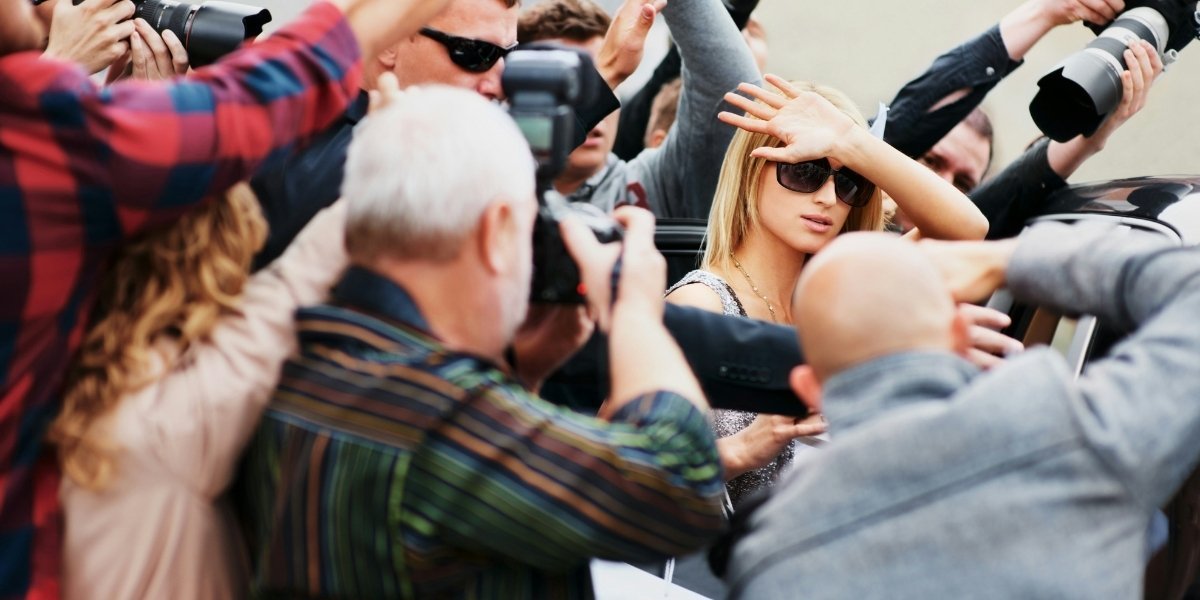
One of the main reasons for the growing trend of secret celebrity weddings is the desire for privacy. Celebrities live their lives under a microscope, with every aspect of their personal relationships often dissected by the media. The overwhelming exposure that comes with a public wedding can add stress, turning what should be a joyous occasion into a circus.

By keeping their weddings private, celebrities can avoid the unwanted attention that often accompanies such events. For some, it’s about creating a special moment for themselves and their loved ones, free from cameras and flashing lights. Moreover, with social media constantly in the mix, many stars seek to reclaim control over their lives by keeping their wedding details out of the public eye. This shift toward secrecy also allows them to maintain a sense of authenticity, distancing themselves from the often-contrived image portrayed in the media.

There is also a growing awareness of how public life can impact relationships. Keeping their wedding secret helps celebrities protect the sanctity of their bond without external pressures. By avoiding public scrutiny, they can focus on what matters most: their love for one another.

How Has the Media’s Influence Shifted Over Time?

In the past, celebrity weddings were almost expected to be extravagant and newsworthy. High-profile weddings like those of Princess Diana and Charles or Kim Kardashian and Kris Humphries were celebrated and televised, setting a precedent for future stars. These public weddings were seen as a way for celebrities to connect with their fan base, but times have changed.

Privacy Over Pomp: The Trend of Secret Celebrity Weddings

Photo Credit: Unsplash.com

As social media has become an even more dominant force in modern culture, the pressure to maintain a perfect public image has intensified. Celebrities are constantly bombarded with questions, and their personal lives are often the subject of gossip and speculation. Because of this, many stars now choose to bypass public displays of wealth and opt for more private, intimate ceremonies.

The change in attitude is also due to a broader societal shift toward valuing privacy. In a time when everyone shares their personal lives on social media, many celebrities feel that a secret wedding offers a refreshing departure from the norm. While fans still enjoy seeing their favorite stars in the spotlight, there is a growing appreciation for when they choose to keep certain aspects of their lives out of the public domain.

How Do Secret Celebrity Weddings Influence Fans?

The trend of celebrity weddings becoming more private is not only changing the way stars approach their personal lives but also how fans engage with them. Many fans admire the decision to keep their wedding secret, respecting the couple’s desire for privacy. This shift represents a change in the relationship between celebrities and their audience, one that emphasizes respect for personal boundaries.

Fans are no longer just looking for grand, public displays of celebrity life. Instead, there’s an increased desire to see celebrities as human beings who deserve the same privacy and respect as anyone else. While the allure of a glamorous, extravagant wedding may never disappear completely, the growing trend of secret weddings shows a deep shift in the celebrity-fan dynamic.

Secret weddings have sparked curiosity among fans, who find themselves intrigued by the mystery surrounding the event. Instead of focusing on the details of a public wedding, fans have started to appreciate the quiet moments shared between the couple, which often makes the wedding even more special in their eyes.

What Does the Future Hold for Celebrity Weddings?

The future of celebrity weddings is likely to see continued growth in private ceremonies. As more celebrities embrace the trend of privacy, it’s expected that secret weddings will become the norm for those who wish to avoid the media circus that traditionally surrounds such events. For many, the desire for privacy will likely outweigh the need for public recognition, especially as fans grow to appreciate more intimate celebrations.

The rise of private weddings doesn’t mean that celebrity weddings will disappear from public interest. In fact, secret ceremonies often spark even more intrigue, leaving fans eager for any snippets of information. However, these weddings may shift toward a more respectful and personal approach, allowing couples to keep their special day to themselves while still maintaining the connection with their fans.

As societal views on privacy continue to evolve, it’s clear that celebrity weddings will increasingly prioritize the couple’s wishes over public spectacle. This could lead to a more authentic representation of love and relationships, where celebrities, just like anyone else, can experience their most significant moments without the pressure of performing for the world.

How Celebrity Bashing is a Template for Fake News

The Evolution of Gossip and its Blurry Lines

For much of the 20th century, gossip was primarily the domain of print tabloids and magazines. The information was often exaggerated or unsubstantiated, but it was generally confined to a specific medium and a limited audience. These publications had some form of editorial process, however loose it may have been, and legal restrictions that provided a modicum of control over what was published. The flow of information was slower and more centralized.

The internet and social media changed everything. The speed at which information can be shared and the lack of a centralized authority meant that any claim, no matter how outlandish, could be spread instantly to millions of people. A rumor that might have taken weeks to travel by word of mouth now goes global in a matter of minutes. This rapid distribution created an environment where gossip could thrive and evolve, often without any checks or balances. It is in this new, decentralized system that the blurry lines began to appear.

How Misinformation Spreads in the Digital Age

The way misinformation spreads is rooted in human psychology. People are more likely to believe and share information that confirms their existing biases or aligns with their worldview. This is true whether the topic is political or about the private lives of public figures. The emotional charge of a sensational story makes it more likely to be shared, and online algorithms are designed to promote engagement, regardless of whether the content is true.

How Celebrity Bashing is a Template for Fake News

Photo Credit: Unsplash.com

In the absence of a professional editorial process, a false claim can gain traction simply by being repeated often enough by enough people. What starts as a joke or a piece of idle speculation can be shared, retweeted, and copied onto new platforms, each time gaining a veneer of legitimacy. This is the basic engine of both online gossip and fake news. The sheer volume of content and the speed of sharing make it nearly impossible to stop a false claim once it has started to spread, which is why media literacy is more important than ever.

When Celebrity Bashing Becomes a Template for Fake News

The tactics used in celebrity bashing and fake news are often identical. Both rely on emotional engagement, outrage, and the rapid, uncritical sharing of unverified claims. A rumor about a famous person’s personal life might be spread with the same techniques as a false claim about a political event. In both cases, the goal is not always to inform but to provoke a reaction, to get people to share and engage. The mechanisms of outrage and confirmation bias are the same regardless of the subject matter.

By engaging with sensational stories about public figures, people become accustomed to a style of information consumption that prioritizes speed and emotion over accuracy. This habit can then be applied to more serious topics. Someone who is used to accepting and sharing unverified claims about a well-known actor might be more likely to do the same for a political or social issue. The constant exposure to this kind of digital gossip erodes a person’s ability to critically evaluate information, making them more susceptible to all forms of disinformation. This is a critical aspect of celebrity bashing and fake news.

The Impact on Public Figures and Media Trust

The consequences of this blurring of lines are profound, not just for the individuals involved but for society as a whole. For public figures, being subjected to a constant stream of baseless rumors and malicious claims can have a serious impact on their mental health, reputation, and career. The digital nature of the claims means they can live forever online, and a quick search can bring up a host of false narratives that are difficult to disprove or remove. The speed of the spread of these lies makes it nearly impossible for a single person to combat them.

How Celebrity Bashing is a Template for Fake News

Photo Credit: Unsplash.com

The prevalence of gossip and fake news erodes public trust in the media. When people see sensational and unverified stories being shared and promoted, it becomes harder for them to distinguish between professional journalism and deliberate falsehoods. This can lead to a general cynicism and a loss of faith in all institutions, from news outlets to public officials. The steady stream of digital gossip is a continuous assault on our ability to trust information.

A Call for Media Literacy in a Digital World

The solution to this problem is not to stop talking about public figures, but to change the way we consume and share information. Developing strong media literacy skills is the single most important defense against the spread of both gossip and disinformation. This means learning to question the sources of information, looking for evidence, and being aware of one’s own emotional reactions to a story. It requires a conscious effort to think before clicking or sharing.

It is also important for individuals to recognize that gossip culture and fake news are two sides of the same coin. They both thrive on unverified claims, emotional responses, and rapid sharing. By being more thoughtful about the kind of content we engage with, we can help to slow the spread of all forms of disinformation. This is not just a personal responsibility; it is a collective one. A more discerning public is the best defense against a world where the lines between gossip and truth are increasingly blurred.