
Celebrity News

Fatell and Hazel Bring the Heat with ‘Cumbia Like This’ — A Dancefloor Anthem Fusing Latin Flavor and Hip-Hop Vibes

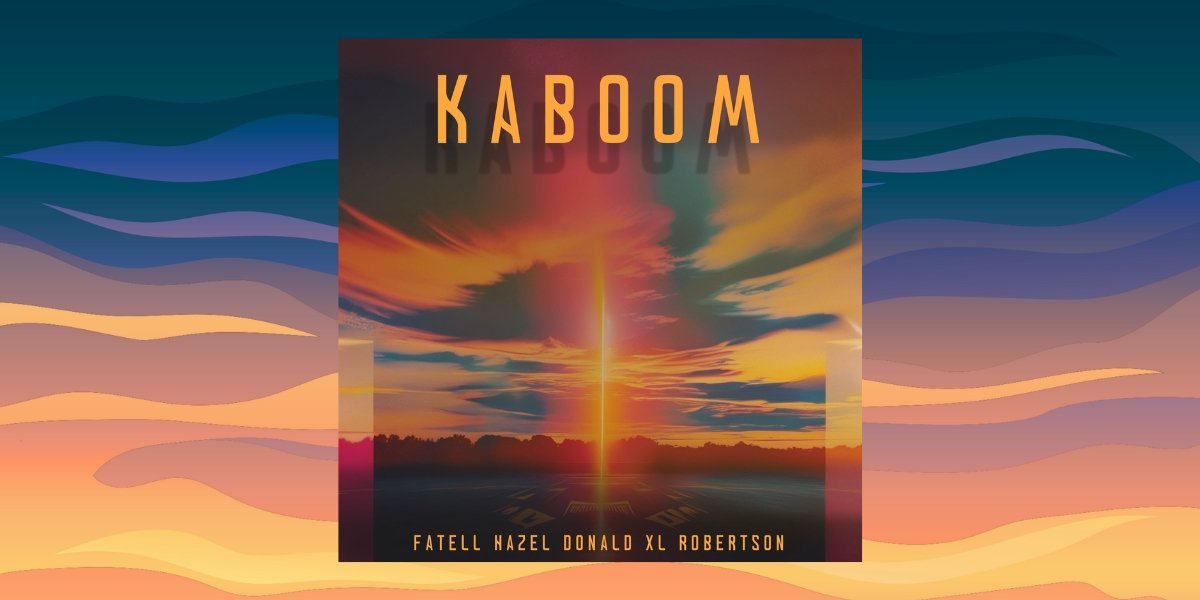
Two powerhouse artists are joining forces to drop a track that could light up dance floors and playlists alike. Fatell and Hazel’s new single, “Cumbia Like This,” set for release on May 23, 2025, is a high-energy fusion of cumbia and hip-hop that aims to capture the infectious pulse of today’s Latin music movement. This single is off the new Latin album “KABOOM,” courtesy of No Limit Latin, alongside other singles “BAILA” and “DEJAME AMARTE.”

For anyone who’s followed the growing popularity of Latin urban sounds, this collaboration could feel both timely and electric. “Cumbia Like This” isn’t just another club track—it’s a celebration of culture, rhythm, and collaboration, crafted to resonate from backyard parties to packed nightclubs, and from TikTok dance challenges to prime-time radio slots.

A Fusion That Stands Out

At its core, “Cumbia Like This” blends the hypnotic, percussive beats of traditional cumbia with the swagger and punch of hip-hop, creating a soundscape that feels as fresh as it is familiar. The track’s layered production showcases A-list polish, while Fatell and Hazel deliver dynamic performances that exude charisma and command attention.

Designed to appeal to both DJs and casual listeners, the song’s infectious rhythm encourages movement. Whether it’s blaring from club speakers at 2 a.m. or soundtracking viral TikTok dances, “Cumbia Like This” is tailored to get bodies moving.
Fatell and Hazel Bring the Heat with ‘Cumbia Like This’ — A Dancefloor Anthem Fusing Latin Flavor and Hip-Hop Vibes

Photo Courtesy: Fatell / No Limit Latin

The Artists Behind the Anthem

This collaboration brings together two seasoned artists who have each carved out impressive careers in their own right.

Fatell, known for his role as a media host for the Los Angeles Clippers and as the voice behind After Party Radio Show, has long been a fixture in the West Coast music scene. Named Power 106 Artist of the Year, he’s worked with iconic names like Gangsta Boo, Ras Kass, Outlaws, and Chino XL. His ability to blend hip-hop authenticity with mainstream appeal positions him well for a genre-bending anthem like “Cumbia Like This,” featured on the new Latin album “KABOOM.”

Hazel, meanwhile, has built her reputation collaborating with Latin music legends such as Kid Frost, Baby Bash, Frankie J, and MC Magic. Her sultry yet powerful vocal style adds a signature Latin flair to the track, providing a compelling counterbalance to Fatell’s hip-hop edge. Together, they create a sonic chemistry that feels natural.

A Strategic Rollout for Broad Reach

With Downtown handling distribution, “Cumbia Like This” is set for a wide-reaching release across all major platforms. But beyond simply dropping a track, Fatell and Hazel are executing a focused marketing blitz aimed at maximizing visibility across multiple touchpoints.

The radio push includes strategic airplay on key FM stations—105.9, 99.3, 90.5, 98.5, 106.7, and 94.3—helping ensure the song reaches major urban and Latin markets. Meanwhile, playlist placement efforts target high-profile Latin, reggaeton, and club-focused lists on Spotify, Apple Music, and YouTube Music.

In the digital arena, the artists are tapping into the power of social media, with TikTok and YouTube expected to play major roles in the track’s promotion. Influencer partnerships and themed dance challenges could drive organic engagement, helping “Cumbia Like This” stand out and reach new audiences.

Partnerships with platforms like Chicano Hollywood and Frenzee Broadcasting further position the single within key Latin entertainment circles, increasing the chances of turning a hot track into a cultural moment.

More Than a Song—A Celebration

What sets “Cumbia Like This” apart isn’t just the star power behind it or the precision of its marketing—it’s the genuine joy and energy embedded in every beat. The song pays homage to cumbia’s rich heritage while injecting it with a modern urban twist, creating a sound that bridges nostalgia and contemporary appeal.

“This track is all about celebrating who we are and getting people to feel that energy,” Fatell explains. “It’s about bringing people together through music that makes you want to move.”

Hazel echoes that sentiment: “We wanted to create something that feels like a party but also respects where the sound comes from. It’s for everyone—whether you grew up with cumbia or you’re just discovering it.”

Positioned for Potential Virality

With its blend of party-ready vibes, Latin authenticity, and hip-hop bravado, “Cumbia Like This” has the potential to be more than just a summer hit—it could become a cross-cultural anthem with lasting impact. From radio spins to TikTok virality, from curated playlists to late-night club sets, this track is designed to thrive in today’s multi-platform, multi-genre music ecosystem.

As Fatell and Hazel prepare to drop this highly anticipated album, “KABOOM,” on May 23, 2025, one thing seems clear: the fusion of cumbia and hip-hop has rarely sounded this vibrant.


Published by Joseph T.

How Subtle Sound Design Tricks Make Movies Scarier

The most effective horror films know that what you hear can be far more frightening than what you see. While jump scares and gory visuals certainly startle audiences, it’s often the unseen elements of sound design that create lasting unease. Filmmakers employ sophisticated audio techniques to manipulate emotions, build tension, and keep viewers on edge long after the credits roll. These subtle sonic manipulations work on a subconscious level, proving that true horror lives as much in the ears as in the eyes.

Read also: Mastering the Runway Walk: Techniques for High-Fashion and Commercial Modeling

The Psychology of Fear and Frequency

Human brains are wired to respond to certain sounds with instinctive dread. Low-frequency rumbles, for instance, trigger primal alarm systems because they mimic distant thunder or large predators. Sound designers frequently use infrasound—tones below 20Hz that hover at the edge of human hearing—to induce feelings of anxiety and discomfort without viewers consciously recognizing the source. These vibrations can physically affect the body, causing increased heart rates and goosebumps.

On the opposite end of the spectrum, high-pitched noises like screeching violins or metallic scraping activate the brain’s threat detection. These frequencies resemble distress signals in nature, such as animal warning cries or nails on a chalkboard. By carefully balancing these sonic extremes—deep growls contrasted with piercing shrieks—sound designers create auditory landscapes that keep nervous systems constantly on alert. The absence of sound can be equally powerful, with sudden silences often preceding terrifying reveals.

Environmental Sounds That Unsettle

Background atmospherics play a crucial role in building dread before anything frightening appears on screen. The subtle creak of floorboards, the irregular drip of water, or the faint hum of fluorescent lights all contribute to what audio professionals call the “world tone.” These ambient textures make environments feel lived-in yet somehow wrong, putting audiences in a state of heightened awareness.

Many horror films use “impossible sounds”—audio elements that shouldn’t logically exist in a space—to create subconscious disorientation. A child’s laughter in an abandoned asylum or faint breathing sounds in a supposedly empty room undermine the viewer’s sense of reality. Spatial audio techniques can make these sounds seem to move around the theater or viewing space, creating the unnerving sensation that something invisible might be lurking just behind the audience.

The Art of the Unseen Threat

Some of cinema’s most chilling moments come from sounds that imply threats without visual confirmation. The slow, dragging footsteps approaching from down a dark hallway or the wet clicking noises of something inhuman moving in the shadows allow imaginations to conjure horrors far worse than anything filmmakers could show. This technique plays on the human mind’s tendency to fill gaps with worst-case scenarios.

Sound designers often manipulate familiar noises to make them just recognizable enough to disturb. A distorted baby monitor transmission or a voice recording played backward at low volume taps into the unsettling feeling of something being almost—but not quite—right. These corrupted versions of comforting sounds create cognitive dissonance, putting viewers emotionally off-balance. The strategic placement of these audio cues before major scares conditions audiences to associate certain sounds with impending terror, making subsequent scenes more effective.

Rhythmic Patterns and Sensory Overload

Temporal manipulation of sound significantly impacts tension building. Gradually increasing the tempo of a heartbeat-like rhythm or the ticking of a clock creates subconscious anticipation. When these patterns suddenly break or go out of sync, it triggers disorientation and panic responses. Many horror scores employ this technique through irregular time signatures or pulsing electronic tones that mimic physiological stress responses.

During intense scenes, layered sound design creates sensory overload. Multiple audio elements—screams, crashing objects, animalistic growls—compete for attention, mirroring the chaotic experience of being in genuine danger. This aural bombardment makes it difficult for viewers to mentally prepare for shocks, leaving them perpetually unsettled. The careful choreography of these sonic elements, often mapped to the characters’ breathing patterns or the scene’s editing rhythm, makes the artificial fear feel viscerally real.

Modern horror continues to innovate with binaural recording techniques that create 3D soundscapes, and subharmonic synthesis that makes ordinary objects sound menacing. These advancements prove that as visual effects become more sophisticated, the true frontier of fear remains in the invisible world of sound. The most enduring horror moments aren’t those that make viewers cover their eyes, but those that leave them straining to hear—and dreading what might come next.

Read also: Navigating the Modeling Industry: How to Find and Vet Reputable Agencies