Celebrity News

The Journey of Style Evolution: Embracing Change and Growth in Fashion

Personal style is not static—it evolves over time, reflecting changes in life stages, preferences, and self-expression. This article explores the process of style evolution, highlighting how individuals can embrace experimentation, let go of past styles, and allow their wardrobe to grow with them. By understanding and embracing this journey, people can create a wardrobe that feels authentic and aligned with their current selves.

One of the most natural aspects of style evolution is its connection to life stages. As people grow and change, so do their tastes, priorities, and lifestyles. For example, a young professional might transition from casual college attire to more polished workwear as they enter the workforce. Similarly, a new parent might prioritize comfort and practicality over trendiness. These shifts are a normal part of life, and they often lead to changes in personal style.

Another factor that influences style evolution is self-discovery. Fashion is a powerful form of self-expression, and as individuals learn more about themselves, their style often reflects this growth. For example, someone who discovers a love for bold colors and patterns might start incorporating these elements into their wardrobe. This process of experimentation and exploration is essential for developing a style that feels authentic and true to one’s identity.

Experimentation plays a key role in style evolution. Trying new trends, colors, and silhouettes can help individuals discover what resonates with them and what doesn’t. This might involve stepping out of one’s comfort zone, such as wearing a bold print or trying a new accessory. Over time, these experiments can lead to a more refined and personalized style. For example, someone who experiments with vintage clothing might discover a love for retro-inspired looks that become a signature part of their wardrobe.

Another important aspect of style evolution is letting go of past styles that no longer resonate. As people change, their old clothes may no longer reflect who they are or how they want to present themselves. This can be a challenging process, especially if there are sentimental attachments to certain pieces. However, letting go of items that no longer serve a purpose can create space for new styles and opportunities. Donating, selling, or repurposing old clothes can make this process easier and more meaningful.

One way to navigate style evolution is to focus on building a versatile wardrobe. Investing in timeless, high-quality pieces that can be mixed and matched with trendier items allows for flexibility and adaptability. For example, a classic blazer or a pair of well-fitting jeans can serve as a foundation for a variety of looks, making it easier to incorporate new styles over time. This approach ensures that the wardrobe remains functional and relevant, even as personal style evolves.

Another helpful strategy is to seek inspiration from various sources. Fashion magazines, social media, and street style can provide fresh ideas and perspectives. However, it’s important to filter this inspiration through one’s own preferences and lifestyle. For example, someone who admires minimalist fashion might adapt this aesthetic to suit their love for bold accessories or vibrant colors. This personalized approach ensures that the style remains unique and authentic.

The role of confidence in style evolution cannot be overstated. Wearing clothes that make one feel good can boost self-esteem and create a positive feedback loop. As individuals experiment with new styles and find what works for them, their confidence often grows, making it easier to embrace further changes. For example, someone who feels empowered in a tailored suit might start incorporating more structured pieces into their wardrobe, creating a cohesive and confident look.

Another important aspect of style evolution is sustainability. As people become more aware of the environmental impact of fashion, they may choose to adopt more sustainable practices, such as buying secondhand, supporting ethical brands, or repurposing old clothes. This shift not only reflects a change in values but also influences personal style. For example, someone who embraces sustainable fashion might develop a preference for timeless, high-quality pieces over fast fashion trends.

In conclusion, style evolution is a natural and ongoing process that reflects changes in life stages, self-discovery, and personal growth. By embracing experimentation, letting go of past styles, and building a versatile wardrobe, individuals can create a style that feels authentic and aligned with their current selves. Confidence, inspiration, and sustainability all play important roles in this journey, helping individuals navigate the changes and challenges that come with evolving personal style.

The next time someone feels stuck in a style rut, they might consider the journey of style evolution. By embracing change and staying open to new possibilities, they can create a wardrobe that reflects their unique identity and supports their growth.


The Mental Health Crisis Lurking Behind the Fame

The Importance of a Great Headshot for Your Acting Resume: Making a Lasting First Impression

If you’re pursuing a career in acting, you’ve probably heard the phrase “a picture is worth a thousand words.” This rings especially true when it comes to your acting resume, where your headshot serves as your calling card to casting directors and potential employers. In this article, we’ll explore why having a great headshot is essential for your acting career and how it can make a lasting first impression.

1. Your Headshot is Your First Introduction

In the competitive world of acting, first impressions matter. Your headshot is often the first thing casting directors see when reviewing submissions for auditions or casting calls. It’s your opportunity to make a strong and memorable impression that sets you apart from the crowd. A professional headshot showcases your personality, professionalism, and versatility as an actor, giving casting directors a glimpse of the character types you can portray.

2. Reflects Your Professionalism and Commitment

A high-quality headshot demonstrates your professionalism and commitment to your craft as an actor. It shows that you take your career seriously and are willing to invest in the tools and resources necessary to succeed in the industry. Casting directors are more likely to take you seriously as a candidate if they see that you’ve taken the time to obtain a professional headshot, as it indicates that you’re prepared and ready to step into any role with confidence.

3. Captures Your Unique Essence and Personality

Your headshot should capture your unique essence and personality as an actor. It’s not just a picture of your face; it’s a representation of who you are as a performer and the types of characters you can bring to life on screen or stage. A great headshot should convey a range of emotions and expressions, from serious and dramatic to lighthearted and playful, depending on the roles you’re seeking. Casting directors want to see authenticity and depth in your headshot, so be sure to choose a photo that reflects your true self.

4. Helps Casting Directors Visualize You in a Role

When casting directors review headshots, they’re not just looking at your physical appearance; they’re also trying to visualize you in a specific role. Your headshot should give them a clear idea of the types of characters you can convincingly portray, whether it’s a rugged cowboy, a sophisticated lawyer, or a quirky comedic sidekick. By choosing a headshot that aligns with the roles you’re seeking, you make it easier for casting directors to imagine you in their projects, increasing your chances of getting called in for auditions.

5. Makes Your Resume Stand Out

In a sea of acting resumes, a standout headshot can make all the difference in grabbing a casting director’s attention. A great headshot will pique their curiosity and compel them to take a closer look at your resume and portfolio. It’s your opportunity to showcase your unique look and style in a way that sets you apart from other actors vying for the same roles. Investing in a professional headshot is an investment in your career and can significantly increase your chances of landing auditions and booking roles.

6. Builds Trust and Confidence

A great headshot builds trust and confidence with casting directors and industry professionals. It shows that you’re reliable, approachable, and capable of delivering a memorable performance on set. When casting directors see a well-executed headshot, they’re more likely to feel confident in your abilities as an actor and be more inclined to consider you for their projects. Your headshot is your opportunity to make a positive and lasting impression that opens doors to exciting new opportunities in the world of acting.

7. Essential for Online Casting Platforms and Social Media

In today’s digital age, having a great headshot is essential for online casting platforms and social media. Many casting directors and industry professionals use these platforms to discover new talent and fill roles for their projects. Your headshot serves as your online calling card, representing you to potential employers and collaborators. Make sure your headshot is professional, up-to-date, and representative of your current appearance, as it’s often the first thing people see when they search for you online.

A Reflection of Yourself to Stand Out

A great headshot is an essential tool for advancing your acting career and making a lasting impression on casting directors and industry professionals. It reflects your professionalism, personality, and commitment to your craft, helping you stand out in a competitive industry. Your headshot is your first introduction to casting directors, so make it count by choosing a high-quality photo that accurately represents who you are as an actor. Invest in a professional photographer who specializes in headshots and work together to create a standout image that opens doors to exciting new opportunities in the world of acting.

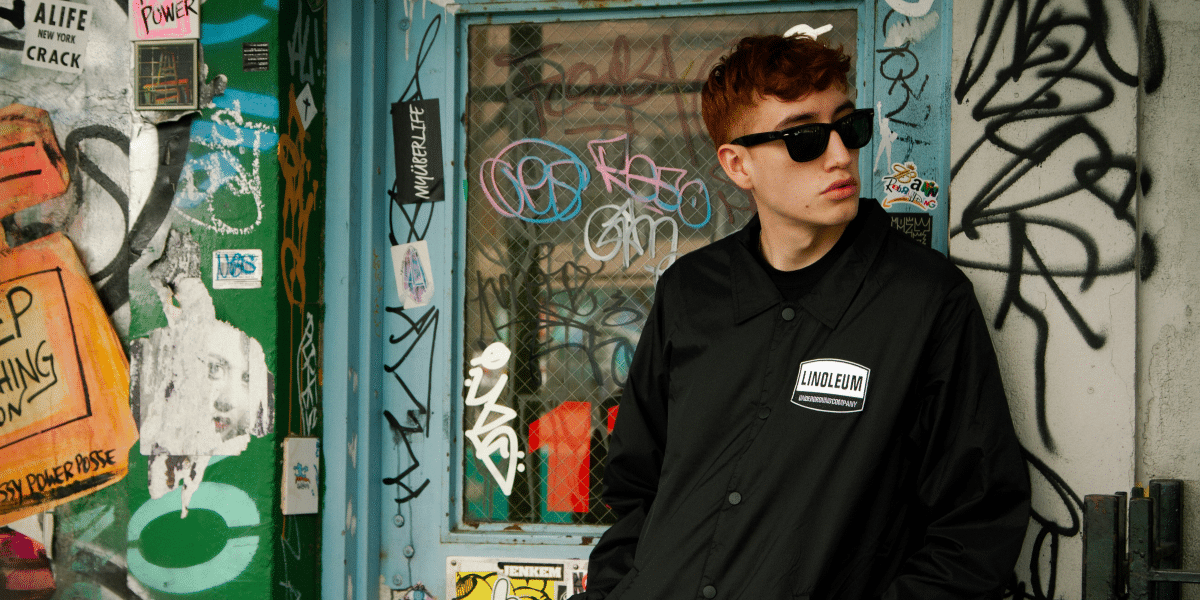
The Influence of Streetwear on Mainstream Fashion

Over the past few decades, streetwear has evolved from a niche subculture to a dominant force in the global fashion industry. What began as a style rooted in skateboarding, hip-hop, and urban youth culture has now permeated mainstream fashion, influencing everything from high-end designer collections to everyday wardrobes. This article explores the rise of streetwear, its impact on mainstream fashion, and how it continues to shape the way we dress today.

The origins of streetwear can be traced back to the 1980s and 1990s, when young people in cities like New York, Los Angeles, and Tokyo began creating their own fashion statements. Inspired by the DIY ethos of skateboarding and the bold aesthetics of hip-hop, streetwear was about self-expression and rebellion against traditional fashion norms. Brands like SupremeStüssy, and A Bathing Ape emerged during this time, offering graphic tees, hoodies, and sneakers that resonated with a generation seeking authenticity and individuality.

One of the key factors behind the rise of streetwear was its connection to music and subcultures. Hip-hop artists, in particular, played a significant role in popularizing the style. Icons like Run-D.M.C. and Tupac Shakur were often seen wearing oversized jackets, bucket hats, and sneakers, making these items staples of the streetwear aesthetic. As hip-hop grew into a global phenomenon, so did the influence of streetwear, spreading its appeal far beyond its urban origins.

The turning point for streetwear came when it began to intersect with high fashion. In the early 2000s, designers started to take notice of the growing popularity of streetwear and began incorporating its elements into their collections. Brands like Louis VuittonGucci, and Balenciaga started collaborating with streetwear labels, blurring the lines between luxury and casual wear. One of the most notable collaborations was between Louis Vuitton and Supreme in 2017, which brought together two seemingly opposite worlds and created a frenzy among fashion enthusiasts.

The influence of streetwear on mainstream fashion is evident in the way people dress today. Comfortable, casual pieces like hoodies, sneakers, and graphic tees have become wardrobe essentials, even in formal settings. The rise of the “athleisure” trend, which combines athletic wear with everyday fashion, is a direct result of streetwear’s impact. Brands like NikeAdidas, and Puma have embraced this trend, creating stylish yet functional clothing that appeals to a wide audience.

Another significant aspect of streetwear’s influence is its emphasis on limited-edition releases and exclusivity. Many streetwear brands produce small quantities of their products, creating a sense of scarcity and driving demand. This approach has been adopted by mainstream fashion brands, which now frequently release limited-edition collections or collaborate with celebrities and influencers to generate buzz. The concept of “drop culture,” where new products are released unexpectedly and sell out quickly, has become a hallmark of modern fashion marketing.

Social media has played a crucial role in the rise of streetwear and its integration into mainstream fashion. Platforms like Instagram and TikTok have allowed streetwear brands to reach a global audience and connect directly with their customers. Influencers and celebrities often showcase their streetwear outfits online, setting trends and inspiring millions of followers. This digital landscape has democratized fashion, making it easier for streetwear to gain traction and influence mainstream styles.

The cultural significance of streetwear extends beyond clothing. It represents a shift in values, where individuality, authenticity, and self-expression are prioritized over traditional notions of status and luxury. This has resonated with younger generations, who value experiences and personal identity over material possessions. As a result, streetwear has become more than just a fashion trend; it’s a lifestyle and a form of cultural currency.

Despite its widespread popularity, streetwear has faced criticism for its commercialization and loss of authenticity. Some argue that as streetwear has become more mainstream, it has moved away from its roots in subcultures and counterculture. However, others see this evolution as a natural progression, reflecting the changing dynamics of fashion and society. The ongoing dialogue between streetwear and mainstream fashion continues to shape the industry, pushing boundaries and challenging conventions.

In recent years, sustainability has become an important topic in both streetwear and mainstream fashion. Many streetwear brands are now focusing on eco-friendly practices, such as using recycled materials and reducing waste. This shift aligns with the values of younger consumers, who are increasingly concerned about the environmental impact of their clothing choices. As streetwear continues to influence mainstream fashion, it has the potential to drive positive change and promote more sustainable practices across the industry.

The future of streetwear and its relationship with mainstream fashion is likely to remain dynamic and evolving. As new subcultures emerge and technology continues to shape how we consume fashion, streetwear will undoubtedly adapt and innovate. Its ability to reflect the zeitgeist and resonate with diverse audiences ensures that it will remain a powerful force in the fashion world.

In conclusion, streetwear has redefined mainstream fashion by blending comfort, individuality, and cultural relevance. Its journey from the streets to the runways is a testament to its enduring appeal and ability to adapt to changing times. Whether through collaborations, limited-edition releases, or social media influence, streetwear has left an indelible mark on the fashion industry. As we move forward, it will be fascinating to see how streetwear continues to shape the way we dress and express ourselves. So the next time you slip on a pair of sneakers or a graphic hoodie, remember that you’re not just wearing clothes—you’re part of a cultural movement that has transformed the world of fashion.

The Impact of Acting on Mental Health: Navigating Challenges in Intense Roles

Can Intense Roles Affect an Actor’s Mental Health?

Acting is often seen as a glamorous profession, filled with creativity and the opportunity to bring stories to life. However, what many people don’t realize is that acting, especially when it involves intense roles, can take a toll on an actor’s mental health. When an actor deeply immerses themselves in a character, especially one that is emotionally demanding or psychologically complex, it can be difficult to separate the character’s emotions from their own. This blurring of lines can lead to emotional exhaustion, stress, and in some cases, long-term mental health challenges.

Actors who play intense roles often have to tap into dark or difficult emotions, which can leave them feeling drained or vulnerable. For example, portraying a character experiencing trauma, grief, or intense anger requires the actor to repeatedly access those emotions, which can be mentally taxing. Over time, this repeated emotional strain can lead to anxiety, depression, or even issues like dissociation, where the actor struggles to maintain a clear distinction between their own identity and that of the character they are portraying.

The demands of the industry also play a role in affecting mental health. The pressure to deliver a powerful performance, the long hours on set, and the need to maintain a public image can all contribute to stress and burnout. In some cases, actors may feel isolated, especially when working on emotionally intense projects that require them to withdraw from their usual support systems. This isolation can exacerbate feelings of loneliness or depression, making it even more difficult to cope with the mental challenges of their work.

What Strategies Do Actors Use to Protect Their Mental Health?

Given the mental and emotional demands of acting, it’s crucial for actors to develop strategies to protect their mental health. One of the most important strategies is establishing clear boundaries between the actor’s personal life and their work. This can involve setting aside time each day to step away from the character and reconnect with their own emotions and identity. By maintaining this separation, actors can avoid becoming too absorbed in their roles, which helps to prevent the emotional spillover that can lead to mental health issues.

Another strategy is the use of relaxation and mindfulness techniques. Many actors find that practices like meditation, yoga, or deep breathing exercises help them manage stress and stay grounded. These techniques can be especially helpful during intense filming periods, providing a mental reset that allows the actor to approach their work with a clear mind. Additionally, engaging in regular physical exercise can be a powerful way to release built-up tension and improve overall mental well-being.

Seeking support from mental health professionals is also a vital part of managing the psychological demands of acting. Therapy or counseling can provide actors with a safe space to explore their emotions, discuss the challenges they face, and develop coping strategies. Some actors may also benefit from working with a coach who specializes in helping performers manage the emotional aspects of their roles. This kind of support can be particularly valuable for actors who frequently take on challenging or dark characters.

Actors also benefit from strong social support networks. Staying connected with family, friends, and peers can provide emotional grounding and a sense of normalcy outside of the acting world. These relationships offer a crucial source of comfort and perspective, helping actors navigate the ups and downs of their careers. Whether it’s through regular check-ins with loved ones or participating in social activities that have nothing to do with acting, maintaining these connections is key to sustaining mental health.

Why Is Mental Health Awareness Important in the Acting Industry?

Mental health awareness in the acting industry is becoming increasingly important as more actors speak out about the challenges they face. Acknowledging the impact that acting can have on mental health helps to destigmatize these experiences and encourages actors to seek help when needed. It also fosters a greater understanding within the industry of the need to support actors, not just in their performances but in their overall well-being.

Raising awareness about mental health in acting can lead to positive changes in the way the industry operates. For example, creating more supportive working environments, where actors have access to mental health resources and the time needed to decompress, can help mitigate some of the negative effects of intense roles. Additionally, industry leaders and directors who prioritize mental health can set a precedent for more humane working conditions, where the focus is not only on the end product but also on the well-being of the actors involved.

Increased awareness also empowers actors to advocate for themselves and take control of their mental health. By normalizing conversations about mental health, actors can feel more confident in setting boundaries, seeking support, and using strategies to protect their well-being. This shift is crucial in ensuring that the pursuit of artistic excellence does not come at the cost of mental health.

The impact of acting on mental health is a significant concern, particularly for those who take on intense or emotionally demanding roles. While the challenges are real, there are effective strategies that actors can use to protect their mental well-being. From setting boundaries and practicing mindfulness to seeking professional support, these approaches help actors navigate the psychological demands of their work. As the industry continues to evolve, increased awareness and support for mental health will play a key role in sustaining the well-being of those who bring stories to life on screen and stage.

The Impact of Mirrorless Cameras on the Film Industry: Revolutionizing Filmmaking Technology

In recent years, mirrorless cameras have emerged as a game-changer in the world of filmmaking, revolutionizing the way films are shot and produced. These compact and versatile cameras offer a host of benefits over traditional DSLR and cinema cameras, making them increasingly popular among filmmakers of all levels. In this article, we’ll explore how mirrorless cameras are shifting the film industry and reshaping the landscape of modern filmmaking.

1. Compact Size and Portability

One of the most significant advantages of mirrorless cameras is their compact size and portability. Unlike traditional DSLR and cinema cameras, which are often bulky and cumbersome to transport, mirrorless cameras are lightweight and easy to handle, making them ideal for shooting in tight spaces or on location. Filmmakers can easily carry multiple mirrorless cameras and accessories without being weighed down by heavy equipment, allowing for greater flexibility and mobility on set.

2. Advanced Autofocus and Tracking

Mirrorless cameras are renowned for their advanced autofocus and tracking capabilities, which make it easier for filmmakers to capture fast-moving subjects with precision and accuracy. Unlike DSLR cameras, which rely on a mirror mechanism for autofocus, mirrorless cameras use contrast-detection or phase-detection autofocus systems that are faster and more responsive. This allows filmmakers to achieve tack-sharp focus even in challenging shooting conditions, such as low light or erratic movement.

3. Silent Shooting Mode

Another feature that sets mirrorless cameras apart is their silent shooting mode, which allows filmmakers to capture footage without the noise of a mechanical shutter. This is particularly useful when shooting in quiet environments or when trying to avoid disturbing the subject or surrounding environment. Silent shooting mode also eliminates the risk of camera shake caused by the movement of the mirror, resulting in smoother and more stable footage.

4. Real-Time Feedback and Monitoring

Mirrorless cameras offer real-time feedback and monitoring through electronic viewfinders or rear LCD screens, allowing filmmakers to preview their shots and make adjustments on the fly. This instant feedback enables filmmakers to fine-tune their composition, exposure, and focus without having to rely on guesswork or trial and error. Additionally, many mirrorless cameras offer advanced features such as focus peaking, zebras, and histograms, which provide valuable visual aids for achieving optimal image quality.

5. Interchangeable Lens Compatibility

Like DSLR and cinema cameras, mirrorless cameras support interchangeable lenses, allowing filmmakers to adapt their camera setup to suit the specific requirements of each shoot. With a wide range of native and third-party lenses available, filmmakers can choose the perfect lens for their desired aesthetic, focal length, and shooting style. This flexibility and versatility make mirrorless cameras suitable for a variety of filmmaking applications, from documentary and narrative filmmaking to commercial and music video production.

6. Cost-Effectiveness and Affordability

Despite their advanced features and capabilities, mirrorless cameras are often more affordable than traditional DSLR and cinema cameras, making them an attractive option for independent filmmakers and content creators on a budget. With prices ranging from a few hundred to several thousand dollars, mirrorless cameras offer excellent value for money and can deliver professional-quality results without breaking the bank. Additionally, many mirrorless cameras are compatible with a wide range of accessories and peripherals, further enhancing their cost-effectiveness and versatility.

7. Innovation and Future Potential

As technology continues to evolve, mirrorless cameras are poised to become even more powerful and versatile in the years to come. Manufacturers are constantly pushing the boundaries of innovation, introducing new features and improvements that further enhance the capabilities of mirrorless cameras for filmmaking. From higher resolution sensors and improved image stabilization to advanced AI-driven autofocus and computational photography, the future looks bright for mirrorless cameras in the film industry.

Shaping the Future of Film

Mirrorless cameras are revolutionizing the film industry with their compact size, advanced features, and affordability. These versatile cameras offer filmmakers unprecedented flexibility and creative freedom, allowing them to capture stunning footage with ease and precision. With their advanced autofocus and tracking, silent shooting mode, real-time feedback and monitoring, interchangeable lens compatibility, cost-effectiveness, and future potential for innovation, mirrorless cameras are shaping the future of filmmaking and empowering filmmakers to bring their creative visions to life like never before. As the technology continues to evolve, mirrorless cameras will undoubtedly play an increasingly important role in the film industry, pushing the boundaries of what is possible and inspiring a new generation of filmmakers to pursue their passion for storytelling through the lens.

The Global Influence of Fashion Weeks

The Evolution of Fashion Weeks

Fashion weeks have played a pivotal role in shaping the global fashion landscape. Originating in the mid-20th century, these events have evolved from exclusive gatherings for industry insiders to internationally recognized showcases of creativity and style.

In recent decades, major fashion capitals like Paris, Milan, London, and New York have become synonymous with these extravagant exhibitions. Each city’s fashion week has its unique charm and flair, contributing to the ever-expanding tapestry of global fashion.

A Platform for Innovation and Expression

Fashion weeks serve as a platform for designers to unveil their latest collections, setting the tone for upcoming trends. The events provide a stage for both established names and emerging talents, fostering innovation and creativity within the industry.

The runway shows, often accompanied by elaborate presentations, create a spectacle that goes beyond mere apparel display. They are a form of artistic expression, with designers pushing boundaries and challenging conventional norms. This fosters an environment where fashion is not just about clothing but also about storytelling and pushing the limits of artistic expression.

The Economic Impact

Beyond the glitz and glamour, fashion weeks have a substantial economic impact on the host cities. They attract a diverse audience, including fashion enthusiasts, celebrities, and media professionals, contributing significantly to local economies. The influx of visitors stimulates various sectors, from hospitality to retail, creating a positive economic ripple effect.

Moreover, fashion weeks generate extensive media coverage, promoting the host city as a global fashion hub. This exposure helps attract international investments and solidifies the city’s position in the competitive world of fashion.

Embracing Diversity and Inclusivity

In recent years, there has been a noticeable shift towards inclusivity and diversity in fashion weeks. Designers are increasingly embracing models of all shapes, sizes, and backgrounds, challenging traditional beauty standards. This evolution reflects a broader societal change, with the fashion industry becoming more attuned to the diverse tastes and preferences of its audience.

Fashion weeks have become a stage for social commentary, with designers using their collections to address pressing issues such as sustainability, inclusivity, and cultural representation. This newfound awareness underscores the industry’s commitment to aligning with contemporary values.

While fashion weeks continue to thrive, they also face challenges, especially in the wake of global events. The COVID-19 pandemic, for instance, prompted a shift towards digital presentations and virtual showcases. This adaptation demonstrated the resilience of the fashion industry, highlighting its ability to innovate and overcome obstacles.

As fashion weeks evolve, it is crucial to address environmental concerns and promote sustainability. The industry is increasingly recognizing the need for eco-friendly practices, with designers incorporating sustainable materials and production methods into their collections.

Looking Ahead

Fashion weeks remain an integral part of the global fashion calendar, providing a stage for creativity, innovation, and expression. As they continue to adapt to changing times, embracing inclusivity and sustainability, the impact of these events on the fashion industry and beyond is set to endure.

The history and impact of fashion weeks around the world showcase not only the evolution of style but also the industry’s resilience and adaptability. From economic contributions to fostering diversity, these events play a crucial role in shaping the narrative of global fashion.

The Fourth Law of Behavior Change: Make It Satisfying

When it comes to building habits, the final step is often the most important: Make It Satisfying. This principle is all about creating a sense of reward and fulfillment that makes you want to repeat the behavior. Whether you’re trying to exercise more, eat healthier, or stay productive, making your habits satisfying is the key to sticking with them. Let’s explore how this works and how you can apply it in your life.

The idea behind “Make It Satisfying” is simple: if a habit feels good, you’re more likely to do it again. Humans are wired to seek pleasure and avoid pain, so when a behavior provides immediate rewards, it becomes easier to repeat. For example, if you enjoy the taste of a healthy smoothie, you’re more likely to make it a regular part of your routine. This law is crucial because it closes the habit loop. While the first three laws (Make It Obvious, Make It Attractive, and Make It Easy) help you start a habit, the fourth law ensures you keep doing it.

The reason this law is so effective is rooted in how our brains work. Immediate rewards create positive associations, making you more likely to repeat the behavior. They also help build momentum because when a habit feels good, it’s easier to stay motivated and consistent. Many good habits, like exercising or saving money, have long-term benefits, but the rewards are often delayed. Immediate satisfaction bridges the gap between effort and reward, making it easier to stick with the habit in the short term.

Applying the fourth law doesn’t have to be complicated. One way to make your habits more satisfying is to focus on immediate rewards. Find ways to enjoy the process, not just the outcome. For example, if you’re trying to build a running habit, treat yourself to a refreshing smoothie or a relaxing stretch after each run. Another strategy is to track your progress. Seeing your progress can be incredibly satisfying. Use a habit tracker, journal, or app to record your efforts. Each time you mark a completed habit, you’ll feel a sense of accomplishment.

Celebrating small wins is another effective way to make habits satisfying. Don’t wait for big milestones to reward yourself. Celebrate small victories along the way. For instance, if you’ve stuck to your habit for a week, treat yourself to something you enjoy, like a favorite snack or a relaxing activity. Pairing habits with enjoyable activities can also make them more appealing. Combine your habit with something you already love. For example, if you want to read more, pair it with a cozy blanket and a cup of tea. This makes the habit itself more enjoyable.

Positive reinforcement is another powerful tool. Give yourself a mental pat on the back when you complete a habit. Acknowledge your effort and remind yourself why it matters. This positive self-talk can make the habit feel more rewarding. For example, after a workout, you might say to yourself, “Great job! You’re getting stronger every day.”

Let’s look at how this principle works in different areas of life. In health and fitness, if you’re trying to eat healthier, focus on how good you feel after a nutritious meal. You could also reward yourself with a piece of dark chocolate or a relaxing bath after sticking to your diet for the day. In productivity, if you’re working on a challenging task, take short breaks to do something you enjoy, like listening to music or chatting with a friend. This makes the work feel less tedious and more rewarding. In personal growth, if you’re learning a new skill, celebrate small milestones. For example, after mastering a new guitar chord, play your favorite song to enjoy the progress you’ve made.

While making habits satisfying is powerful, there are some pitfalls to watch out for. One common mistake is choosing unhealthy rewards. Make sure your rewards align with your goals. For example, don’t reward a workout with junk food. Another mistake is overcomplicating the process. Keep your rewards simple and easy to access. If they require too much effort, they won’t feel satisfying. Finally, don’t ignore intrinsic rewards. While external rewards (like treats or breaks) are helpful, don’t forget to appreciate the internal satisfaction of progress and growth.

When you make your habits satisfying, you create a positive cycle of reinforcement. Over time, this approach can lead to stronger habits because immediate rewards make it easier to stick to your habits long-term. It also leads to greater enjoyment because when habits feel good, they become something you look forward to, not something you dread. Increased motivation is another benefit because satisfaction fuels your drive to keep going, even when the initial excitement fades.

The fourth law of behavior change—Make It Satisfying—is the secret to turning good intentions into lasting habits. By creating immediate rewards, tracking your progress, and celebrating small wins, you can make your habits more enjoyable and easier to maintain. So the next time you’re trying to build a new habit, ask yourself: How can I make this satisfying? Whether it’s a small treat, a moment of celebration, or simply acknowledging your effort, find ways to enjoy the process. Remember, habits are more than just actions—they’re experiences. Make them satisfying, and you’ll be more likely to stick with them for the long haul. Start today, and watch how small changes lead to big results.

The Evolution of Punk Fashion: From Rebellion to Iconic Style

Since its emergence in the 1970s, punk fashion has been a powerful symbol of rebellion and self-expression. Originally tied to the punk rock music scene, it challenged mainstream fashion norms with its DIY aesthetic, bold patterns, and subversive attitude. Over time, punk fashion has not only influenced subcultures but also left its mark on high fashion, proving that the defiant spirit of punk is here to stay. Let’s take a closer look at how punk fashion evolved and continues to inspire today.

What Is Punk Fashion and Where Did It Begin?

Punk fashion started as an extension of the punk rock movement that took off in the mid-1970s. It began in both the United States and the United Kingdom, with cities like New York and London becoming hotbeds for the scene. At its core, punk fashion was all about rejecting the status quo and breaking away from the polished and conservative styles of the time. Fans of punk music were often young, disillusioned with the system, and looking for ways to express their anger and dissatisfaction. Fashion became the perfect vehicle for this expression.

Early punk fashion was marked by a DIY (do-it-yourself) ethos. People wore torn clothes, patched jeans, and safety pins, often turning everyday items into rebellious statements. Leather jackets, studded belts, and combat boots became staples, adding an aggressive edge to the style. The look was messy, raw, and unapologetically rebellious. This was fashion as protest—an intentional rejection of consumerism and conformity.

In London, designers like Vivienne Westwood and Malcolm McLaren played a major role in shaping the punk aesthetic. Their boutique, SEX, became a hub for punk fashion, selling ripped T-shirts, provocative slogans, and bondage-inspired outfits. The look spread quickly, soon becoming a global phenomenon as bands like the Sex Pistols and The Ramones gained fame.

How Did Punk Fashion Evolve Over the Years?

As punk music became more mainstream, so did its fashion. In the 1980s, punk evolved into different subcultures, each adopting its own twist on the style. Hardcore punk took the roughness of the original look and made it even more minimalistic, with plain T-shirts, jeans, and shaved heads becoming more common. On the other hand, the gothic punk scene introduced more dramatic, dark elements, incorporating heavy makeup, black clothing, and Victorian influences.

Punk fashion also began to creep into the world of high fashion during the 1990s. Designers like Jean-Paul Gaultier and Alexander McQueen began incorporating punk elements into their runway shows, blending the DIY aesthetic with luxury fabrics and avant-garde silhouettes. What was once a symbol of rebellion had become a source of inspiration for fashion’s elite.

Even though it gained mainstream attention, punk fashion never lost its roots. The DIY spirit remained central to the style, with people continuing to customize their clothes with patches, safety pins, and studs. The attitude of defiance and individuality also stayed intact, as punk fashion continued to attract people who wanted to stand out and challenge societal expectations.

Why Does Punk Fashion Still Matter Today?

Punk fashion still resonates because it represents more than just a look—it’s a statement. Even though trends have come and gone, the punk ethos remains a powerful form of self-expression. For many, punk fashion is about rejecting norms and embracing individuality. It’s a way to question authority, critique consumerism, and make a personal stand against the pressures of conformity.

In today’s fashion landscape, punk influences can be seen in streetwear, high fashion, and even fast fashion. While the aesthetics may shift, the underlying message remains the same. Younger generations are rediscovering punk through vintage stores, DIY fashion movements, and even eco-conscious clothing that emphasizes sustainability—a nod to punk’s anti-consumerist roots.

Modern icons like Billie Eilish, with her oversized clothing and unconventional style, continue to push the boundaries of what’s considered fashionable, embodying a punk-like rejection of traditional beauty standards. Meanwhile, brands like Balenciaga and Raf Simons regularly draw on punk’s chaotic, deconstructed style for their collections, proving that punk’s influence is as relevant as ever in the world of high fashion.

In the end, punk fashion endures because it empowers people to be bold, fearless, and authentically themselves. Whether through a leather jacket, a safety-pinned shirt, or a pair of combat boots, punk remains a timeless symbol of rebellion and freedom.

Punk fashion may have started as an underground movement, but its impact has been anything but small. From the streets of London and New York to runways and global fashion campaigns, the spirit of punk continues to inspire new generations to express their identity through fashion. Whether you’re a longtime fan or just discovering its history, punk fashion reminds us that style is about more than clothes—it’s about making a statement.

The Evolution of Fashion and Body Positivity

The fashion world has undergone a quiet revolution—one that celebrates all bodies rather than forcing them to conform to narrow ideals. This shift toward body positivity in fashion isn’t just about bigger sizes or diverse models; it’s a fundamental rethinking of what clothing should do. The racks now tell a new story: style isn’t about changing your body, but finding clothes that celebrate it.

For decades, fashion operated on a simple premise—design for one “ideal” shape, and let consumers struggle to fit in. The turning point came when plus-size sections stopped being hidden in back corners and started appearing front-and-center. Brands like Universal Standard and Dia & Co led the charge, proving that extended sizes could be fashionable rather than frumpy. Department stores took notice, integrating sizes across displays so shoppers of all proportions could browse the same trends.

The runway transformation became impossible to ignore. Where fashion shows once featured nearly identical models, recent seasons showcase age diversityvisible disabilities, and unretouched stretch marks. This isn’t tokenism—it’s smart business. Consumers finally see themselves reflected in campaigns, from athletic wear on paralympians to swimsuits on postpartum bodies. The message resonates: beauty isn’t one-size-fits-all.

Adaptive clothing represents fashion’s next frontier. Magnetic closures replace tricky buttons for arthritis sufferers. Seamless fabrics prevent irritation for sensory-sensitive wearers. These innovations help people who never had functional options before, proving that inclusive design benefits everyone. The same principles apply to gender-neutral collections that focus on comfort rather than outdated gender norms.

Social media accelerated the shift. Instagram feeds filled with #OutfitOfTheDay posts from non-traditional fashion influencers—amputees styling prosthetic covers, cancer survivors rocking baldness with bold earrings, seniors pairing vintage finds with modern silhouettes. These authentic voices drowned out the airbrushed perfection of early fashion blogs, reshaping consumer expectations. Brands now collaborate with micro-influencers whose followers trust their real-world styling advice over celebrity endorsements.

The retail experience evolved to match. Dressing rooms with three-way mirrors and proper lighting help shoppers assess fit accurately. Some stores offer fit specialists trained to flatter different body types rather than push sales. Online, virtual try-on tools and detailed size charts reduce the guesswork—and returns—that plagued early e-commerce.

Fabric technology keeps pace with this movement. Stretch materials now maintain shape through dozens of wears, accommodating weight fluctuations without bagging. Breathable, non-constricting designs replace stiff formalwear that prioritized looks over comfort. Even shapewear has rebranded—from painful “body shapers” to comfortable “outfit smoothers” that enhance rather than punish.

Challenges remain. Some designers still sample exclusively on size-two forms, creating proportion issues in larger sizes. Price disparities persist between straight and plus-size versions of the same item. But progress continues as consumers vote with their wallets—supporting brands that get it right and calling out those stuck in outdated mindsets.

The psychological impact of this shift runs deep. Studies link body-positive fashion to improved self-esteem, particularly in teens. Adults report feeling less “dressed up” anxiety when workwear accommodates their natural shape. The very language of shopping has changed—fewer “problem area” euphemisms, more emphasis on personal expression.

Looking ahead, the industry’s test will be sustaining this momentum beyond trends. Will size inclusivity hold during economic downturns? Can adaptive designs become standard rather than specialty? Early signs are promising—mainstream retailers now routinely feature unretouched images, and size ranges keep expanding upward and downward to serve petite and plus customers equally.

The most telling change might be in fashion education. Design schools now teach pattern-making for diverse bodies alongside traditional techniques. Marketing courses emphasize authentic representation over aspirational fantasy. These future professionals will enter an industry where “making people look good” finally means all people.

This evolution proves fashion’s best function—not as a gatekeeper of who “deserves” to feel stylish, but as a toolkit for self-expression. The seams may lie differently, the hemlines may adjust, but the fundamental shift is clear: bodies aren’t trends to be squeezed into whatever designers dictate. The modern wardrobe celebrates the wearer first—and that’s a fit that never goes out of style.