
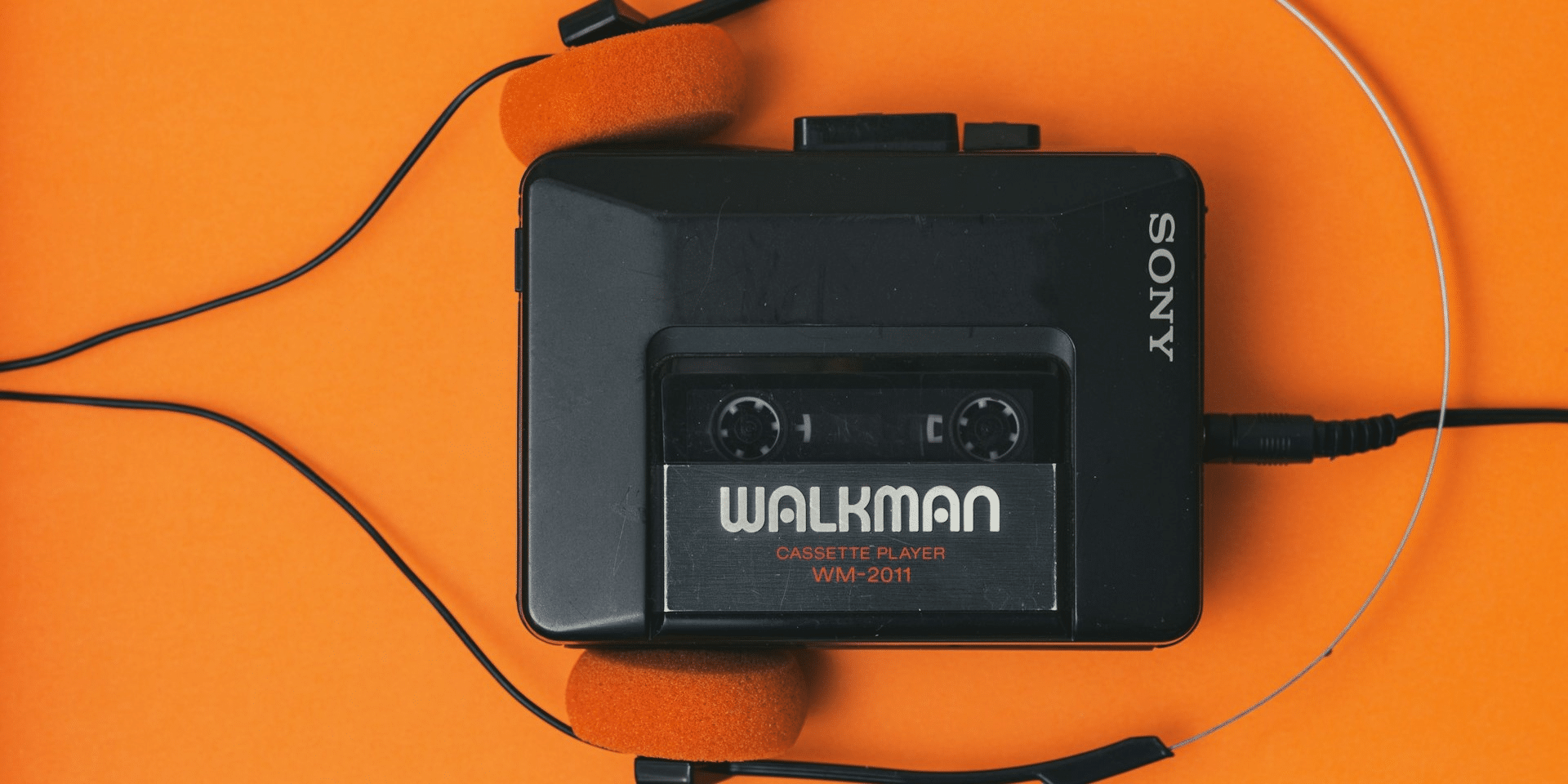
Audio equipment from past decades is getting new attention. Devices such as turntables, cassette decks and retro-style portables are appearing in homes again. The resurgence reflects both a longing for tactile experiences and the adaptation of older formats to modern technology.
Market reports show that the turntable and record-player market is growing. One estimate shows that the global turntables and record players market is expected to expand significantly in the coming years. These figures suggest that what might have seemed like a niche interest is becoming more mainstream.
At the same time, older audio formats like cassettes and vinyl are showing rising demand. That may raise questions for consumers: are these formats practical today? The reassuring view is that many of the devices merge vintage feel with digital convenience, so one doesn’t have to choose between old and new.
Why Vintage Audio Gear Attracts Modern Users
One reason vintage gear appeals is the tactile experience. A turntable with its platter, tone arm and vinyl record gives interaction that streaming doesn’t. A blog about turntable popularity notes that users often enjoy the physical bond with music and the “ritual” of loading a record. That ritual can feel more intentional and personal than clicking a play button.
Another factor is the sound quality perception. Some listeners feel that analog formats like vinyl record players or high-fidelity cassette decks produce a warm, rich tone. While digital formats offer clarity and convenience, the choice of analog-style playback may reflect aesthetic or emotional preference rather than purely technical superiority.
Finally, nostalgia plays a role. Objects from the past often carry memories or cultural meaning. A piece about old tech notes that younger generations also embrace retro devices, sometimes because they were not alive during the original era. What matters is that the product connects to the user’s sense of time, place and identity rather than simply being dated.
How Modern Technology is Integrated into Vintage Format Players
Manufacturers are adapting vintage designs to include digital features. For example, some turntables now offer Bluetooth streaming, USB-C input or built-in speakers. This means the player can handle vinyl records but also connect to wireless headphones or stream from a phone. A report on gramophone record player trends describes how design blends vintage form with modern functionality.
This hybrid approach helps address user concerns about compatibility. Someone who enjoys vinyl playback but also uses streaming services can have both. It reduces the anxiety that choosing vintage gear means sacrificing convenience. The key is that new models aim to respect the old format while meeting today’s expectations.
From a practical standpoint, compatibility matters. For example, the record player market projections show that growth is driven by demand for high-fidelity audio and nostalgia-inspired design. That suggests the industry sees value in offering products that bridge past and present rather than simply replicating old models.
What to Consider Before Choosing a Vintage-Inspired Music Player
If a consumer is considering purchasing a vintage or vintage-style player, a few factors are worth checking. First, connectivity: does the device support modern inputs or outputs like Bluetooth, USB or auxiliary line-in/out? A purely analog device may require additional gear to work with digital libraries.
Second, format compatibility: Vintage players may handle vinyl, cassettes or CDs at older speeds or formats. For example, some cassette players or turntables support multiple record speeds. One article about cassette resurgence explains how formats formerly considered obsolete are being revived—but may require certain compatible gear.
Third, durability and quality: A vintage device may offer style and novelty, but disruption in supply, maintenance parts and support might matter. Ensuring the device is properly built or refurbished can reduce future frustration. The balanced view is that vintage or vintage-style players offer rich experience, but they also benefit from thoughtful purchase decisions.
Where the Vintage Audio Trend Could Lead Next
The interest in vintage music players links to broader trends in home decoration and retro design. A news feature on retro tech revival describes how items that look analog but function digitally are becoming design features in modern living spaces. That may mean that audio gear is no longer just a utility—it also serves as décor and personal statement.
From an industry viewpoint, the steady growth in the market suggests that companies will continue to invest in hybrid models. The turntable market report projects significant growth through the next decade, driven both by nostalgia and by audio performance. That means consumers may see more options with better quality and features.
For listeners who worry that vintage gear means compromise, the reassuring perspective is that the core goal remains clear: enjoyment of music. Whether through a vinyl record loaded onto a turntable or a digital stream passed through a retro-style player, what matters is connecting with sound, not technology alone.