

By: William Jones
The rehearsal had ended, the studio lights dimmed, but Binyao Hu remained behind as her dance crew filed out into the Manhattan night. In that quiet moment, she recognized a fundamental shift in her relationship to the art form that had defined her life.
“As a dancer, my voice was my own,” she said. “But as a manager, I had the chance to guide a whole team’s voice.”
That realization has led Hu into an unusual dual role: artist and arts administrator, performer and producer. The Columbia University campus’ trajectory reflects a growing understanding among artists that creative excellence alone cannot sustain artistic communities—they require entrepreneurial vision and organizational infrastructure.
Hu’s immersion in theater revealed the invisible architecture supporting every performance. She recalls a hard-of-hearing audience member at one of her productions, and an actor she discovered weeping alone backstage between scenes. These encounters helped her see the psychological and logistical complexity behind the curtain.
“A good show is not only about artistic creation, but also about psychological support and management,” she said. “Art and dance themselves are beautiful, but if we want that beauty to be sustained, it must be supported by strong management.”
Her commitment to that principle was tested in 2024 when she worked on producing a staging of the musical Rent through Blue Glaze Theatre, her nonprofit initiative at Columbia. The production required sponsorship negotiations, copyright clearance for Chinese-language lyrics, and coordination with international rights holders. Recruiting performers willing to dedicate themselves to an unpaid production turned out to be more challenging than she anticipated.
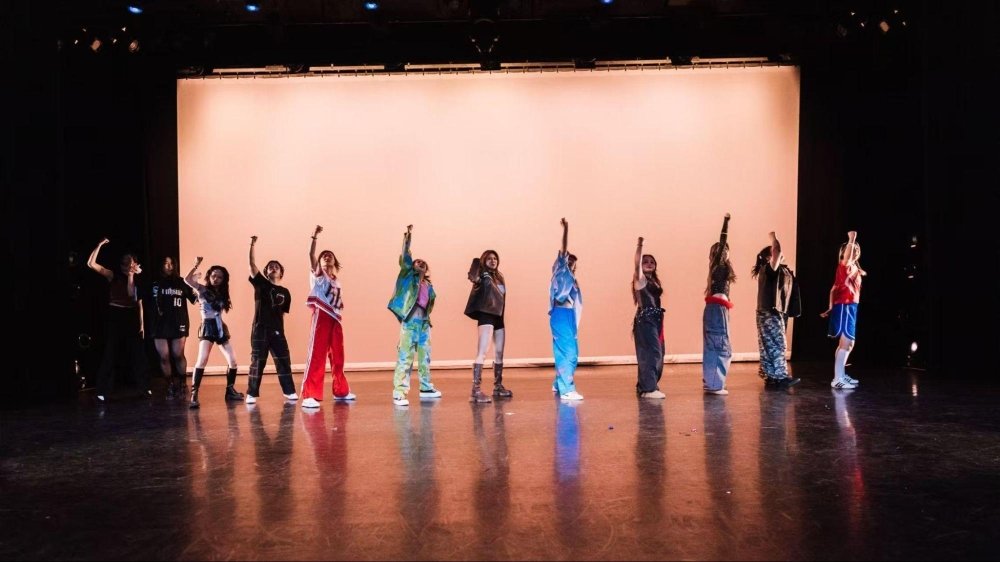
Photo Courtesy: Song Jin
Yet Hu managed to secure four major sponsorships within two months. The cast rehearsed four to five hours daily over three to four months. Her strategic use of social media marketing and an online ticketing platform helped draw more than 500 attendees to the intimate performances.
“I want to build something that carries deeper value on the local cultural scene,” she said. “Not only by consistently producing high-quality performance, but also by attracting more subscribers and gradually moving toward diversification.”
Beyond theater, Hu has established the Obsessed Dance Crew, positioning it as what she describes as the first Chinese community dance collective in New York with professional ambitions rather than purely recreational ones.
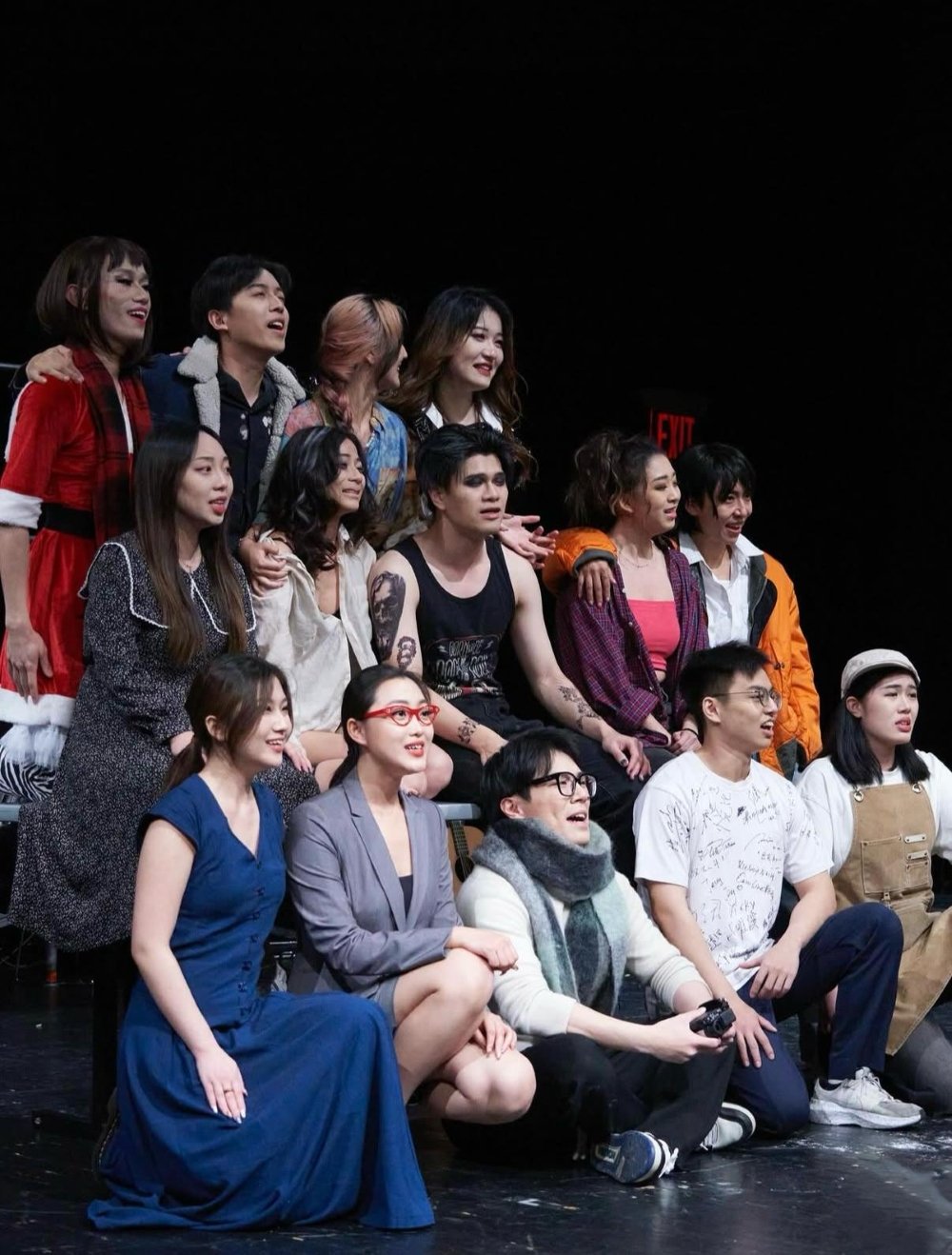
Photo Courtesy: Grace Dang
“I noticed that local dance crews in New York are generally very strong, with fierce competition,” she said. “However, within the Chinese community, while there are talented groups, there hasn’t yet been a leading crew that truly represents our image.”
Under Hu’s origination and leadership, the crew quickly gained traction, accumulating over 75,000 YouTube views in a single month and more than 320,000 views on RedNote, a well-known Chinese social platform. Hu envisions expanding the collective into workshops, live performances, and entertainment partnerships—gradually transforming a group of dancers into a cultural brand. Her ambition reflects a broader shift among artists who see creative communities not merely as collaborative spaces but as enterprises requiring strategic development and sustainable business models.
For Hu, every project is a way to test how art can grow when guided by both creativity and care. What started as an experiment among friends has turned into a professional platform where dancers learn not only to perform, but to organize, lead, and dream collectively. This path is not easy for immigrant dancers like her. However, she is not only building artistic power through her movements, but is also empowering her crew and the wider community by dancing in the city. As a rising star in performing arts and management, she continues to see Obsessed as a living project—one that evolves with every rehearsal, every video, and every new collaboration. In her quiet moments after practice, she often reflects on how far the group has come and how much more it could become. “It’s not about perfection,” she said. “It’s about persistence—and building something that can last.”