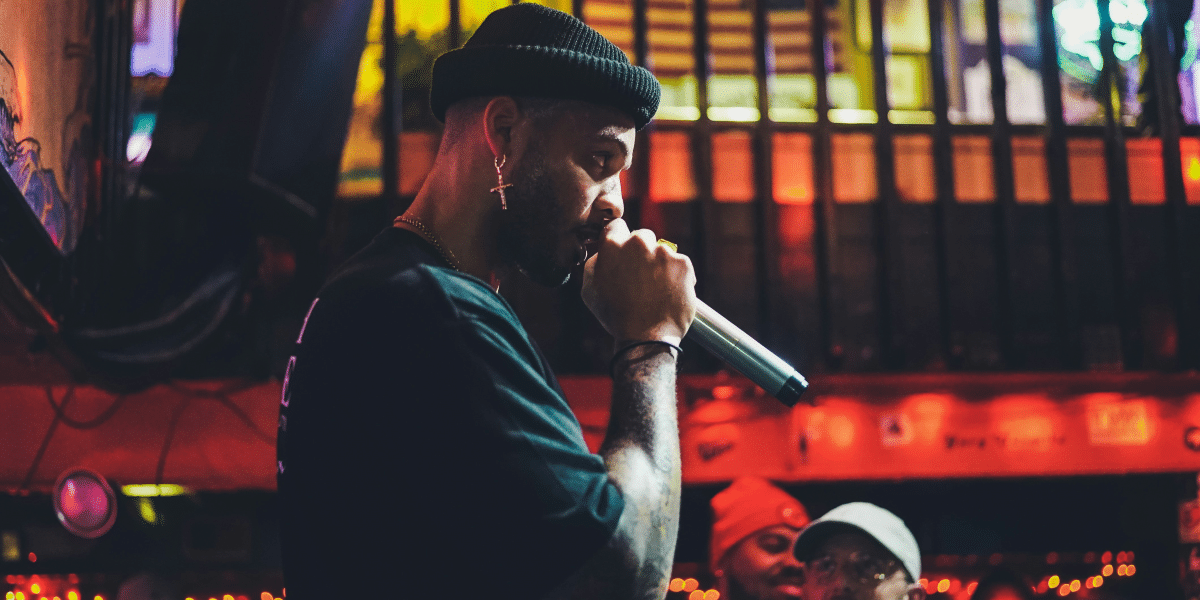

When the final votes came in on December 8, 2025, the crown on I’m a Celebrity… Get Me Out of Here! landed on YouTube creator Angryginge, born Morgan Burtwistle. For viewers in the US who follow global pop culture through social media clips and viral moments, his win landed as a genuine crossover event. A gamer turned streamer stepping into the British jungle and walking out as champion felt like a sign of where celebrity culture is headed.
Angryginge didn’t enter the show as the most traditional contestant. He wasn’t a movie star or chart topping singer. His fame came from gaming streams, loud commentary, soccer content, and a devoted online following. That audience followed him into the jungle, flooding social feeds with reactions each night. But internet popularity alone has never guaranteed success on this kind of show.
Winning I’m a Celebrity requires a mix of public voting strength and genuine on screen likability. The jungle environment strips away filters and edits. Contestants eat basic meals, sleep rough, and face daily trials designed to push physical limits. Over the course of the season, viewers didn’t just see Angryginge’s competitive drive. They watched moments of vulnerability, stress, humor, and teamwork. Those human beats made the difference.
Who Angryginge Is and How He Built His Platform
Agnyginge built his online following through gaming streams and reaction videos that lean heavily on blunt humor and exaggerated energy. His presence sits closer to sports fandom culture than to polished influencer branding. Fans connect because he reacts like the viewer at home rather than presenting as carefully managed talent.
In the streamer world, visibility comes from consistency rather than glamour. Long hours online translate to loyal audiences. That loyalty showed up once voting opened. His base mobilized quickly and broadened as traditional TV viewers warmed to him after watching the daily challenges. Many US viewers familiar with influencer culture recognized this path immediately. The skillset that fuels online communities overlaps more than people realize with reality TV success.
Before the jungle, Angryginge existed mainly inside digital spaces. Winning pushed him onto a broadcast stage watched by millions who rarely tune into gaming streams. That shift from niche to mainstream visibility marks a turning point not just for him but for the creator economy in general.
The Final Showdown and Winning Moment
The finale placed Angryginge against two television veterans, Tom Read Wilson and Shona McGarty. Both had long careers in traditional entertainment and clear fan followings. On paper, that lineup looked like a tough mountain for a streamer to climb.
In the final trials, all three completed demanding physical tests to earn stars, which represent meals shared by campmates. These trials usually decide emotional momentum heading into the vote. Finishing strong sends viewers home feeling satisfied with effort rather than sympathy for struggle.
When the final announcement aired, Angryginge’s reaction captured why audiences rooted for him. He didn’t perform shock or confidence. He showed disbelief. Tears followed. Gratitude toward fellow contestants took center stage over self centered celebration. Those moments revealed authenticity that platforms like YouTube sometimes hide behind comedic exaggeration.
Why Public Support Came Together
One reason Angryginge gained traction was relatability. He entered the jungle openly, anxious about certain challenges. Viewers saw genuine nerves before eating trials or height based tasks. Watching someone admit fear before overcoming it connects with people more deeply than bravado.
Another factor came from camp dynamics. He forged respectful bonds rather than depending on strategic alliances. Viewers tend to distrust manipulation on reality TV. His steady supportive presence felt honest. Jokes felt spontaneous instead of scripted. Even disagreements never crossed into cruelty.
Public voting hinges less on résumé and more on personality displayed under pressure. Over time, Angryginge became the person campmates leaned on during down moments. Those roles matter when audiences decide who feels deserving during finales.
Internet Stars Breaking Into Broadcast Fame
This victory highlighted a broader pattern. Digital creators no longer exist on a separate celebrity tier. Algorithms still drive discovery, but televised moments can launch creators into new audience brackets overnight. Angryinge’s arc mirrored transitions seen in reality winners who began online and then secured mainstream recognition.
For US audiences watching streaming personalities cross into music festivals, movie cameos, or network shows, this win fits a growing narrative. Fame now flows in cycles rather than ladders. Internet platforms feed broadcast networks, while television moments feed back into social media relevance.
The show producers benefited too. Casting creators introduce younger viewers who might not otherwise tune into broadcast competitions. That blend refreshes audience demographics and fuels viral content after each episode via meme clips and reaction edits.
What Winning Does to a Streamer’s Career
Winning changes scale, not substance. Angryginge now holds recognition outside gaming circles that multiplies his earning potential and creative freedom. Brand partnerships increase. Television spots follow. Appearances diversify. That visibility can drive alternative content projects beyond streaming.
Yet the core challenge becomes balance. His streaming audience expects consistent availability. Broadcast fame demands appearances and promotional campaigns that pull talent offline. Maintaining trust with loyal fans requires careful time distribution rather than abandoning community spaces.
The upside includes negotiating power. Bigger platforms mean creative autonomy. He can explore hosting formats, collaborative series, or reality follow ups without being boxed into only gaming content.
How Reality TV Benefits From Creator Culture
Producers increasingly look to creators to bridge stagnating television viewership with digital first audiences. Streamers already perform live emotional storytelling including triumphs and losses within gaming worlds. That emotional pacing translates directly into competitive reality formats.
Creators also arrive with media savvy. They move easily on camera. They handle live interactions. They know how to respond to critics and fans in real time. All of that shortens learning curves on televised productions.
Older formats gain renewed cultural relevance when cast diversity expands beyond traditional celebrity lanes. Angryginge’s presence symbolized that pivot. Viewers didn’t just tune in to see established stars endure survival trials. They watched the collision of digital and television cultures play out unscripted.
Addressing Viewer Skepticism
Some observers question whether internet fandom overpowered traditional truth telling results. However, I’m a Celebrity remains strictly public vote-driven. No judge panels adjust outcomes. Voting systems remain audited under broadcast rules.
What changes is who holds voting power. Younger demographics, once disengaged from televised voting, now mobilize through social platforms. That energy does not discredit results. It illustrates evolving audience participation.
Concerns around online hype overshadowing talent remain valid. But reality competition isn’t talent adjudication in the classical sense. It measures relatability, resilience, contribution, and viewer engagement instead of technical skills alone. Under those rules, Angryginge earned his victory fairly.
Why This Moment Stands Out
This win captured a generational pivot. Celebrity identities now originate across cameras big and small. Streaming creators can step onto global television and deliver performances audiences accept without hesitation.
The crowning of Angryginge represents less about ending one competition and more about blending entertainment ecosystems. The jungle crown validated years of relationship building between creators and their online supporters. It also validated network willingness to cast beyond conventional fame templates.
For media watchers in the US, this story plays as confirmation that pop culture gatekeeping continues to dissolve. A voice that gains traction online can now echo across prime time screens internationally when opportunity and personality align.
What Comes Next for Angryginge
After the win buzz settles, attention turns to long term positioning. His post jungle interviews already reflect awareness of industry pressure. Remaining genuine while navigating new platforms becomes the next challenge.
He can lean into hosting, reality crossovers, or sports entertainment projects tied to his gaming persona. He might remain primarily online while using traditional media appearances sparingly to amplify reach.
No single pathway guarantees longevity. Sustained relevance depends on staying true to the humor and frankness that built his audience while responsibly handling expanded influence. For fans and industry observers alike, his next set of moves will reveal how durable this jungle crown truly becomes.
Angryginge didn’t just walk away with a title. He walked into a larger conversation about how celebrity gets built today. Titles fade. Cultural shifts endure.