
Dr. Celestine Chukumba on How Celebrities Can Protect Their Identity and Brand in the Age of AI

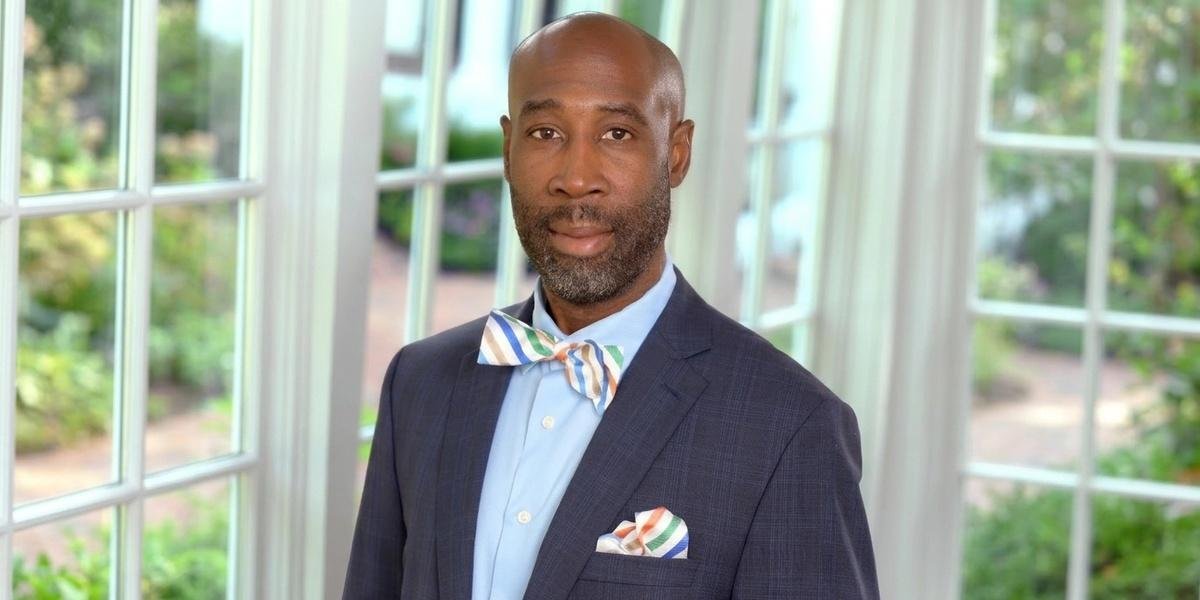
By: Aman Jalan
When LeBron James sued the sports betting research app Bron on November 17, he alleged that the company used his nickname and an AI-generated likeness of him in an ad without his permission. The lawsuit raises a question that goes beyond one athlete or one campaign. When fans see a familiar face in an ad, how can they tell whether the person actually endorsed the product?
I’ve seen my image and likeness used online by others, including by members of my own family on numerous occasions. Those experiences made me realize how easily someone can see a familiar photo and assume a post or message came directly from me. If you see something attributed to me and want to know whether I said it or authorized it, start with my official channels or visit the website of InterSearchMedia, the Atlanta digital marketing agency I founded. I want people to know where to reach me directly so they don’t have to look elsewhere for confirmation.
In my book, Digital Marketing Like an Economist, available on Amazon, I bring an economist’s perspective to digital marketing. Applied to celebrity branding, that means asking who benefits when your face, voice, or name appears online. A fake endorsement can turn the trust you’ve spent years building into clicks or sales for someone else. And every extra step it takes a fan to check an endorsement makes it easier to accept the ad at face value. That’s why making verification easy belongs in the same conversation as building a brand.
Give Fans One Place To Verify What’s Real
Start with an official website that links to your current social accounts, lists your booking and press contacts, and identifies your active partnerships. Link back to that site from the accounts you control. If a fan sees a video of you promoting a product or gets a message offering a private meet-and-greet, they should be able to check it in a few clicks.
The same principle applies when someone claims to be a relative or a member of your team. A familiar last name or family photo can make a message feel credible. If someone offers an opportunity or asks for money on your behalf, fans should be able to find out who is authorized to handle those requests.
Check What Search Engines and AI Tools Say About You
At InterSearchMedia, I approach a public figure’s online presence from the perspective of the person searching. What comes up first when someone types your name? Which profiles are easy to find? Can a journalist confirm a partnership or reach your representative without guessing?
Ask AI tools the same questions a fan or reporter might ask. Who represents you? Which brands do you work with? Where can someone book you? If you spot an old affiliation or an incorrect answer, start by updating the information your team publishes. A current biography, a clearly labeled press page, and consistent links across your profiles give people reliable information they can check for themselves.
Decide Who Responds Before A Deepfake Spreads
Your team should know who saves a copy of the content and its URL, who reports it, who contacts sponsors, and who publishes a correction. YouTube has expanded its likeness detection tool to entertainers, including those without a YouTube channel. Participants can use it to find videos that appear to contain an AI-generated version of their face and request removal.
If you need to respond publicly, keep it simple. Identify the ad or account, say whether you authorized it, and point fans to the page where they can verify future claims. Give them a correction they can send to the same friend who shared the fake.
The best time to show fans where they can hear from you directly is before a fake ad, voice note, or profile gives them a reason to check.
About The Author
Dr. Celestine O. Chukumba is an economist, the founder of InterSearchMedia, and the author of Digital Marketing Like an Economist, available on Amazon.
Disclaimer: This article is intended for general informational and educational purposes only. The views and information presented do not constitute professional advice of any individual, organization, product, or service. Readers are encouraged to conduct their own research and consult qualified professionals when appropriate.