Celebrity News

Sofia Coppola’s “Marie Antoinette” Returns In 4K Alongside Eleanor Coppola’s “Making Marie Antoinette” Documentary

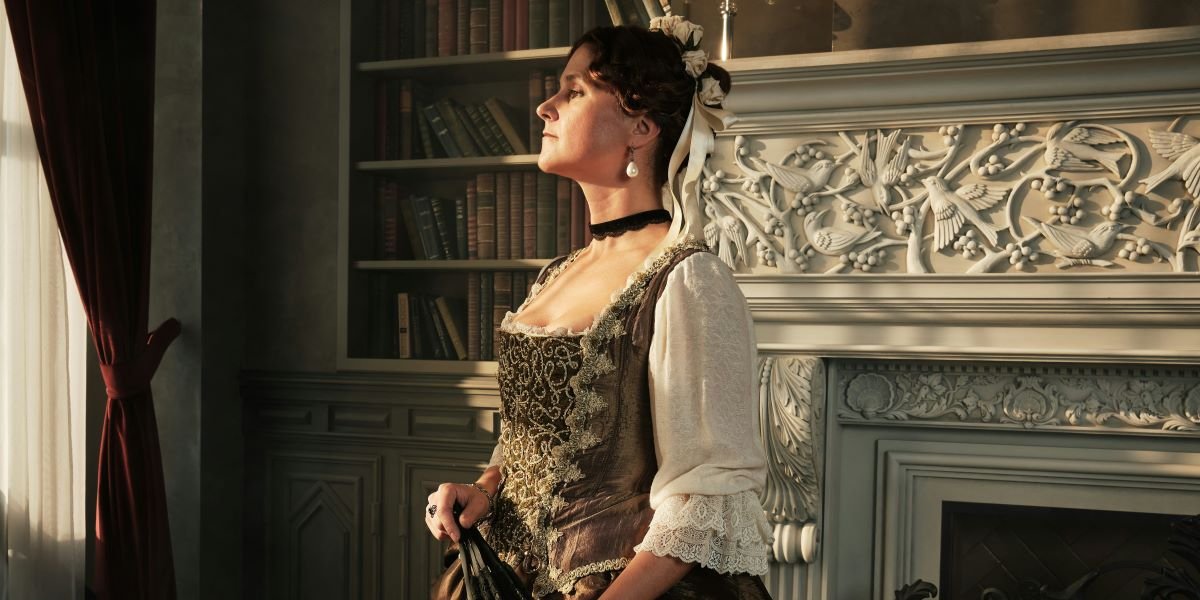
MUBI is marking the 20th anniversary of Sofia Coppola’s “Marie Antoinette” with a new 4K restoration and “Making Marie Antoinette,” a documentary built from footage Eleanor Coppola shot on set in 2005. Both open in theaters October 23, 2026, bringing back a film whose new wave and post-punk soundtrack remains a defining part of its identity.

Key Takeaways

  • “Making Marie Antoinette” opens in theaters in the U.S., Canada, the UK, and Ireland on October 23 and streams globally on MUBI from November 6.
  • The 4K restoration opens in U.S. and Canadian theaters on October 23 and streams on MUBI in the U.S. the same day.
  • Eleanor Coppola filmed 80 hours of footage at Versailles in 2005, which went unseen for nearly two decades.
  • Sofia Coppola finished the documentary after her mother’s death in 2024, fulfilling Eleanor’s wish to turn the footage into a feature.
  • The original two-disc soundtrack, released in 2006, reached No. 97 on the Billboard 200 and returned on vinyl in 2024.

Making Marie Antoinette Turns Eleanor Coppola’s Footage Into A Film

In 2005, Eleanor Coppola brought her camera to the set of her daughter’s third feature. Sofia Coppola, then 34, was directing “Marie Antoinette” at the Palace of Versailles, the first production ever granted access to film there. Eleanor shot 80 hours of footage, and for nearly two decades it stayed unseen.

“Making Marie Antoinette” changes that. The 86-minute documentary, directed by Eleanor Coppola, follows the production from inside, including costume designer Milena Canonero at work and what it was like for Sofia to direct a major production as a young woman. “My mother and I started going through her footage during lockdown,” Sofia Coppola said. “It was always her wish to make what she shot into a feature length documentary.”

Eleanor Coppola died in 2024, and Sofia completed the film, serving as a producer. The documentary premiered at the 53rd Telluride Film Festival on September 5, 2026. Its music is credited to Aaron Maine, known for his project Porches.

Marie Antoinette Soundtrack Paired 1780s Versailles With 1980s Post-Punk

For many music fans, “Marie Antoinette” is remembered as much for what it sounded like as for what it looked like. Coppola set an 18th-century French court to 1980s new wave and post-punk, a choice that stood out because the music arrived roughly two centuries after the period the film depicts.

The soundtrack opened with Siouxsie and the Banshees’ “Hong Kong Garden” and included New Order’s “Ceremony,” Gang of Four’s “Natural’s Not in It,” The Cure’s “Plainsong,” and Adam Ant’s “Kings of the Wild Frontier.” Bow Wow Wow appeared three times, including “Aphrodisiac” and remixes of “I Want Candy” and “Fools Rush In” by My Bloody Valentine’s Kevin Shields. The Strokes contributed “What Ever Happened,” while The Radio Dept., Aphex Twin, Air, and Dustin O’Halloran added a quieter, more atmospheric layer. Classical works by Vivaldi and Scarlatti rounded out the set.

The approach continued a pattern from Coppola’s earlier films, “The Virgin Suicides” and “Lost in Translation,” where guitar-driven rock and electronic music shaped the mood as much as the dialogue. Verve Forecast and Polydor released the two-disc soundtrack on October 10, 2006. It reached No. 97 on the Billboard 200, and a vinyl reissue followed in 2024.

A 4K Restoration For A Film That Divided Critics

“Marie Antoinette” starred Kirsten Dunst as the young queen and Jason Schwartzman as Louis XVI. On release, it split critics, with its modern soundtrack and pop sensibility drawing both praise and criticism for its approach to a historical subject.

Twenty years later, the film has built a lasting following, particularly for its visual style and music. The new 4K restoration gives audiences a chance to see Canonero’s costumes and the Versailles settings with fresh clarity, and the documentary adds context about how those images were made.

The anniversary extends beyond the screen. An exhibition at the Château de Versailles opened at the Petit Trianon on September 22 and runs through January 24, 2027, returning the film to the palace where it was shot.

Why The Double Bill Matters For Music And Film Fans

Pairing the restoration with the documentary gives viewers both the finished film and the process behind it. For music fans, it is a reminder of how a carefully chosen soundtrack can define a film’s identity. The “Marie Antoinette” soundtrack introduced post-punk and new wave to a younger audience in 2006, and its vinyl return two years ago suggests that interest has lasted.

For Coppola, the release also carries a personal weight. “Making Marie Antoinette” is both a record of a film’s production and a portrait of a mother watching her daughter work, completed by that daughter after her mother’s death.

FAQs

When Is Making Marie Antoinette Released?

“Making Marie Antoinette” opens in theaters in the U.S., Canada, the UK, and Ireland on October 23, 2026. It streams globally on MUBI from November 6.

Who Directed Making Marie Antoinette?

The documentary is directed by Eleanor Coppola, who filmed the footage on set in 2005. Sofia Coppola completed it after her mother’s death in 2024 and serves as a producer.

What Songs Are On The Marie Antoinette Soundtrack?

The soundtrack includes Siouxsie and the Banshees’ “Hong Kong Garden,” New Order’s “Ceremony,” The Strokes’ “What Ever Happened,” The Cure’s “Plainsong,” and Bow Wow Wow’s “I Want Candy” in a Kevin Shields remix, among others.

Where Can I Watch Marie Antoinette In 4K?

The 4K restoration opens in U.S. and Canadian theaters on October 23, 2026, and streams on MUBI in the U.S. the same day.
Entourage Barbershop Shares Tips for Choosing a Men’s Hairstyle in LA

For decades, Los Angeles has been considered one of the nation’s hubs for fashion, entertainment, and nightlife. In a city that is known for often setting trends rather than following them, men who live and work in LA are always wondering what kind of haircut can get people’s attention and stand out in a crowd. Barbershops have been part of the city’s cultural landscape for years, serving men of different backgrounds, ethnicities, and hair types. Los Angeles barbershops have also witnessed the rise and fall of many different haircut trends, from the short, classy styles of the 1940s to the closely-cropped fades of the 1980s. In a world where haircut trends are constantly changing, what hairstyle makes a man look his best?

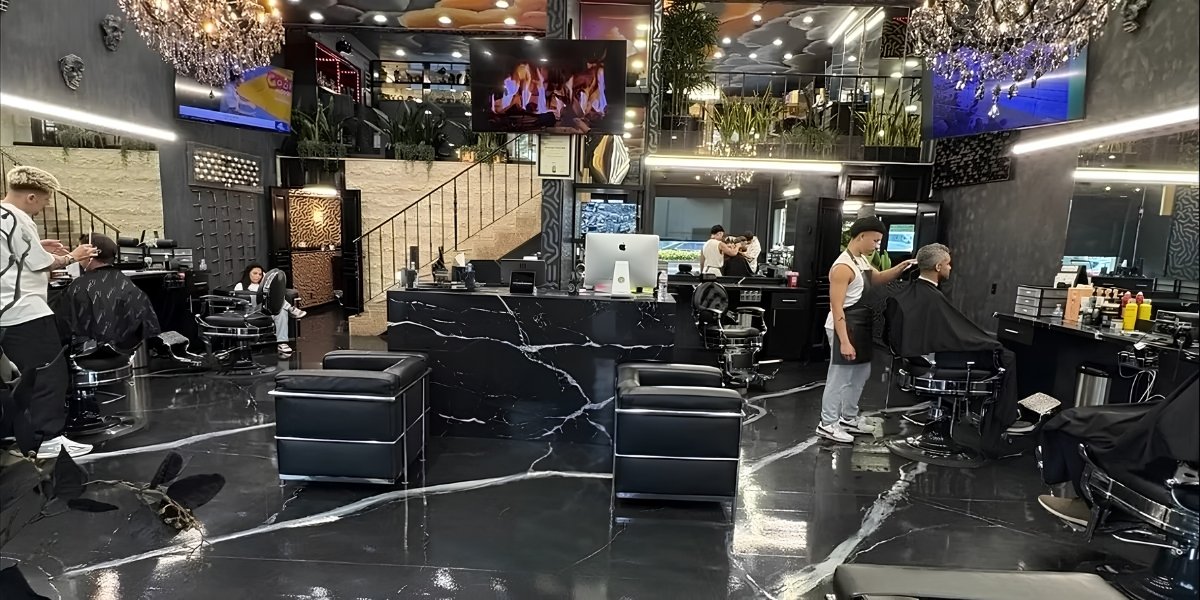
According to Spike Eldib, owner of West Hollywood’s Entourage Barbershop, it can depend on personal, practical, and professional factors. “Everyone’s situation is different. Some hairstyles may look better than others on someone. Some people might prefer a hairstyle they don’t have to gel every morning. Some hairstyles aren’t good for the workplace,” he says. “It really has to be a conversation between the customer and the barber. If you already know what you want, we can do exactly what you ask for. If you don’t know what you want, we can figure out what makes you look and feel best.”

Spike and his team at Entourage have years of experience finding the perfect haircut for specific customers, as Entourage Barbershop was named one of the Top 10 Best Barbershops in West Hollywood by Yelp shortly after its opening. Entourage also counts celebrities like Jeff Goldblum among its list of satisfied customers over the years. Based on advice from Spike and the rest of Entourage’s barber team, here are some of the best tips and principles for finding the perfect men’s haircut in LA.

Photo Courtesy: Entourage Barbershop

1. Choose a hairstyle that fits your personal traits.

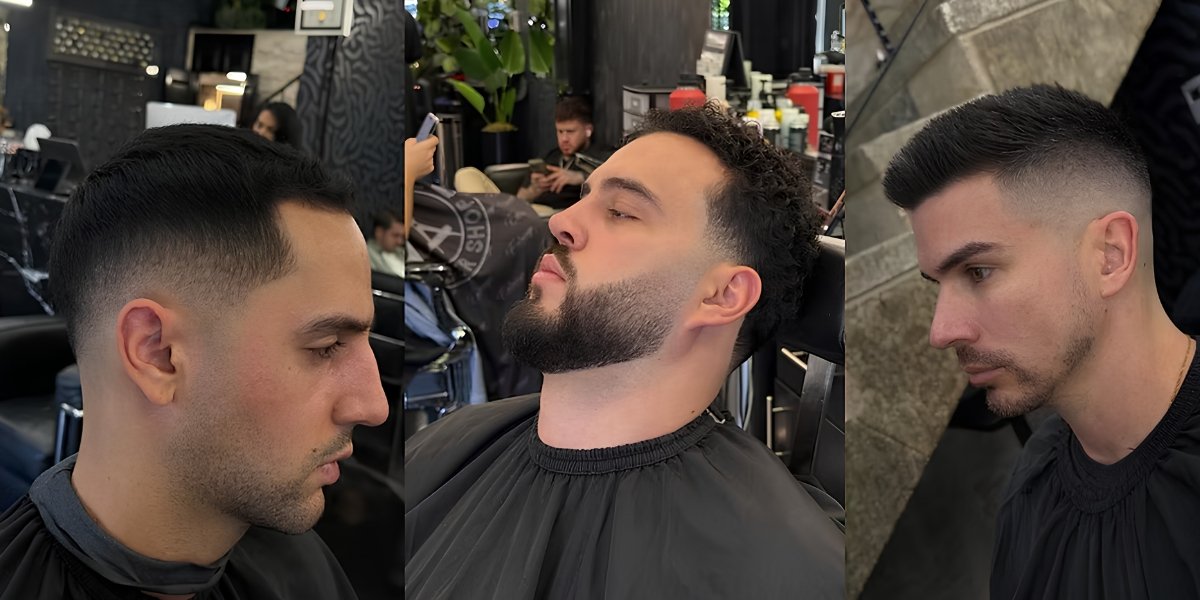
Some people choose hairstyles without being aware of how well certain styles fit their face shape and hair type. For example, straight hair may not sit the same way as curly or wavy hair when it is cut. This is why straight hair works better with longer layered styles, while curly hair allows barbers to combine fades and tapered sides with curls on top. Also, face shape can affect how hairstyles are perceived. For example, customers with square face shapes may want to choose short fades, textured crops, or classic side parts to emphasize their jawlines. This is why it is important to consult with your barber for any adjustments that need to be made to your chosen hairstyle.

2. Know how much hairstyle maintenance you’re willing to do.

You may look great after your barber cuts your hair and uses gel or pomade to style it, but are you willing to gel your hair yourself every time you leave the house? Some hairstyles, especially the longer and more layered ones, require more maintenance, while shorter, cleaner hairstyles require just a little bit of combing before stepping out. However, very precise short fades might also require frequent visits to the barbershop to keep their polished and refined look. Budget and convenience should be factored into a hairstyle’s monthly maintenance before you choose your new look.

3. Ask yourself if your hairstyle is appropriate for your current situation.

If you’ve always dreamed of sporting a dyed mohawk, it might not be appropriate if you work for a law firm or a government agency. But if you play bass in a punk rock band, it might not be an issue. Whether you want to look more professional or more playful is up to you, but you should consider your lifestyle and personal needs before you commit to a more bold look. There’s nothing wrong with an old, reliable hairstyle in the hands of a skilled and experienced barber who knows how to make a more common haircut look striking and attractive.

No matter what hairstyle you choose, it’s important to communicate with your barber about your likes, dislikes, and needs when it comes to your hair. Instead of just asking for a fade, don’t be afraid to get specific about length, style, and whether professionalism or self-expression is your greater priority. A good barbershop like Entourage with skill in hairstyling techniques such as skin fades, waxing, coloring, highlights, and beard trimming can help you personalize your haircut based on all of your needs, ensuring that you look and feel great while living in a trendy city like LA.

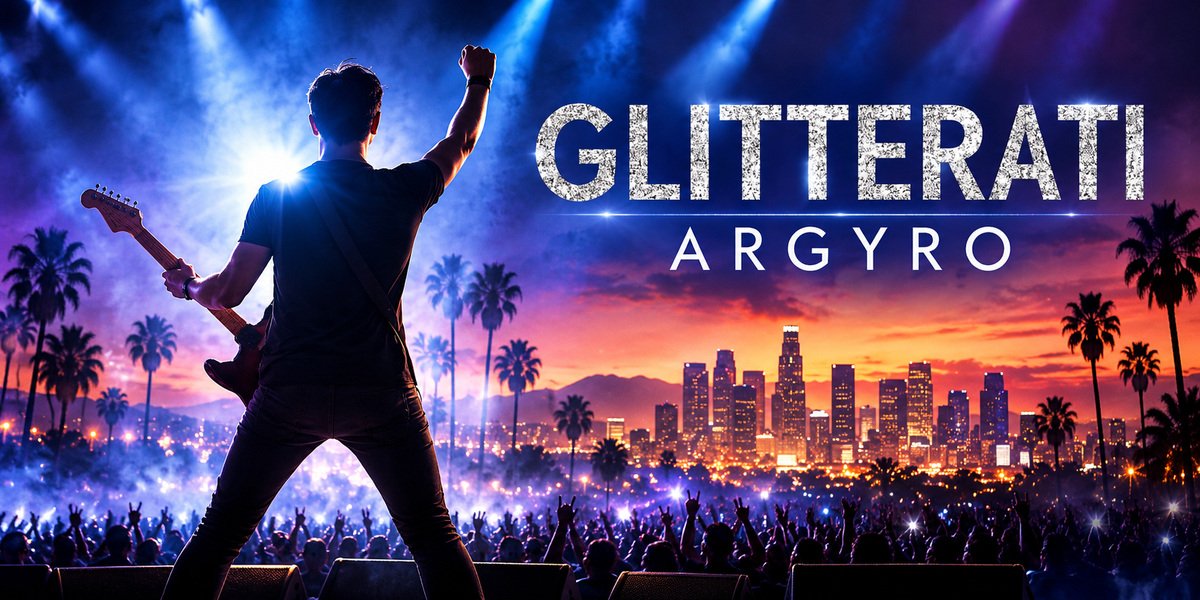
ARGYRO’s “She’s So LA” Finds a Love Song Inside the Machinery of Hollywood Fantasy

By Caroline Bennett

On his latest single, Denver-based singer-songwriter Scott Argiro explores California glamour, romantic projection, and the complicated relationship between being seen and being understood.

There is a particular kind of woman who exists in the popular imagination more vividly than she does in real life. She wears sunglasses indoors, knows somebody who knows somebody famous, and somehow makes sitting in traffic seem like an enviable lifestyle choice. She belongs to Los Angeles, although she might just as easily belong to a movie, a magazine advertisement, or somebody else’s romantic fantasy. She is less a person than an atmosphere, and everybody seems to have an opinion about her.

On “She’s So LA,” Denver-based singer-songwriter ARGYRO, the musical identity of Scott Argiro, finds himself fascinated by precisely this kind of character. But what makes the song interesting isn’t simply its portrait of a glamorous California woman. It’s the way that portrait raises an enduring question about popular music: When we fall in love with someone, how much of that attraction belongs to the person, and how much belongs to the story we’ve invented about them?

The title contains an entire cultural vocabulary. To describe someone as “so LA” is to suggest a collection of characteristics that can function as compliments or criticisms, sometimes simultaneously. Beautiful, ambitious, self-aware, superficial, sophisticated, image-conscious. The phrase is elastic enough to accommodate admiration and suspicion without requiring the speaker to choose between them.

That ambiguity gives Argiro room to explore.

“She’s So LA” is an accessible, guitar-driven pop-rock song, but its cultural associations extend beyond its musical genre. It belongs to a long tradition of popular music in which women become symbols of places, lifestyles, and aspirations. The California girl, in particular, has occupied an almost mythological position in American songwriting, frequently representing freedom, beauty, sexual possibility, and an idealized version of happiness.

Yet these portraits often tell us considerably more about the people creating them than about the women being described.

Argiro’s song invites a similar consideration. Its central figure embodies the glamour of Los Angeles, but the fascination surrounding her also reveals the narrator’s attraction to everything the city represents.

What happens when a person becomes inseparable from a fantasy?

Musically, Argiro approaches the question without burdening the recording with excessive seriousness. The song’s melodic pop-rock framework allows its romantic fascination to remain pleasurable. There is a refreshing absence of grand philosophical declarations; the larger ideas emerge through the relationship between the character and the cultural imagery surrounding her.

Argiro performed all studio instruments and vocals except lead and rhythm guitars, which were contributed by Damon Wood. That largely self-contained recording process gives the song a consistent musical perspective, while Wood’s guitars introduce an additional layer of rock texture.

Mixed and mastered by Denver’s Jesse O’Brien, the production favors clarity and cohesion. The instrumental presentation feels carefully assembled, its polish complementing a song concerned with the appeal of polished appearances.

That relationship between musical form and subject matter is especially fitting within ARGYRO’s broader Glitterati project.

The album examines celebrity, public identity, romance, authenticity, and the peculiar ways contemporary culture encourages people to transform themselves into products. Its concerns feel particularly relevant in an era when ordinary individuals increasingly borrow the visual language of professional celebrity.

Social media has complicated the distinction between being a person and presenting a personality. A carefully arranged photograph can become evidence of an extraordinary life. A romantic relationship can become content. Even authenticity can be performed, packaged, and marketed.

Against that backdrop, “She’s So LA” feels less like a portrait of one particular city than an observation about a culture increasingly organized around appearances.

The gender dynamics are worth considering, too. Women in popular songs are frequently asked to represent something larger than themselves: innocence, temptation, freedom, danger, or the possibility of escape. The woman in “She’s So LA” occupies a similarly symbolic position, becoming a vessel for an entire mythology of California glamour.

But the song’s playful disposition also suggests that Argiro recognizes the absurdity of this projection. His subject is fascinating partly because she appears to inhabit a world where presentation and personality have become inseparable.

Whether that makes her superficial or simply adept at navigating contemporary culture remains an open question.

Argiro’s parallel career as an actor provides another useful perspective. He approaches songwriting with a visual imagination, constructing scenes and characters that seem designed to exist beyond the boundaries of a recording.

The accompanying music video, directed by Denver filmmaker Elgin Cahill, extends that cinematic sensibility. It also introduces a geographical irony: this distinctly California-inspired project was written and recorded in Colorado.

Perhaps that distance is essential. Los Angeles has always existed as vividly in the imaginations of outsiders as in the experiences of its residents. The city is both an actual location and an elaborate cultural production, continuously rewritten by the people who dream about it.

ARGYRO participates in that tradition while finding an approachable musical language for its contradictions.

Ultimately, “She’s So LA” works because it doesn’t insist that listeners reject the fantasy once they recognize it. Its melodic pleasures remain intact, and its romantic fascination is never entirely undermined by skepticism.

There is something recognizable in that refusal to choose between enchantment and awareness.

We know that people are more complicated than the images they project. We understand that glamour is often constructed, that beauty can conceal insecurity, and that the stories we tell about romantic partners frequently reveal our own desires.

And yet we continue to fall for the images.

“She’s So LA” understands that contradiction. Beneath its sunny pop-rock accessibility lies a familiar emotional truth: Sometimes we don’t fall in love with another person so much as the possibility of who we might become standing beside them.

Perhaps the most revealing thing about Argiro’s California dream is that it was imagined from somewhere else entirely.