“Art Should Make You Feel Something”: Frankie Fleurimond on Faith, Emotion, and Building a Career Through Creativity

By UFIRST Art Production
In today’s contemporary art scene, many artists chase trends, algorithms, and aesthetics designed for quick attention online. Frankie Fleurimond took a different path. His work is emotional instead of calculated, expressive instead of sterile, and deeply human in a world increasingly dominated by digital perfection.
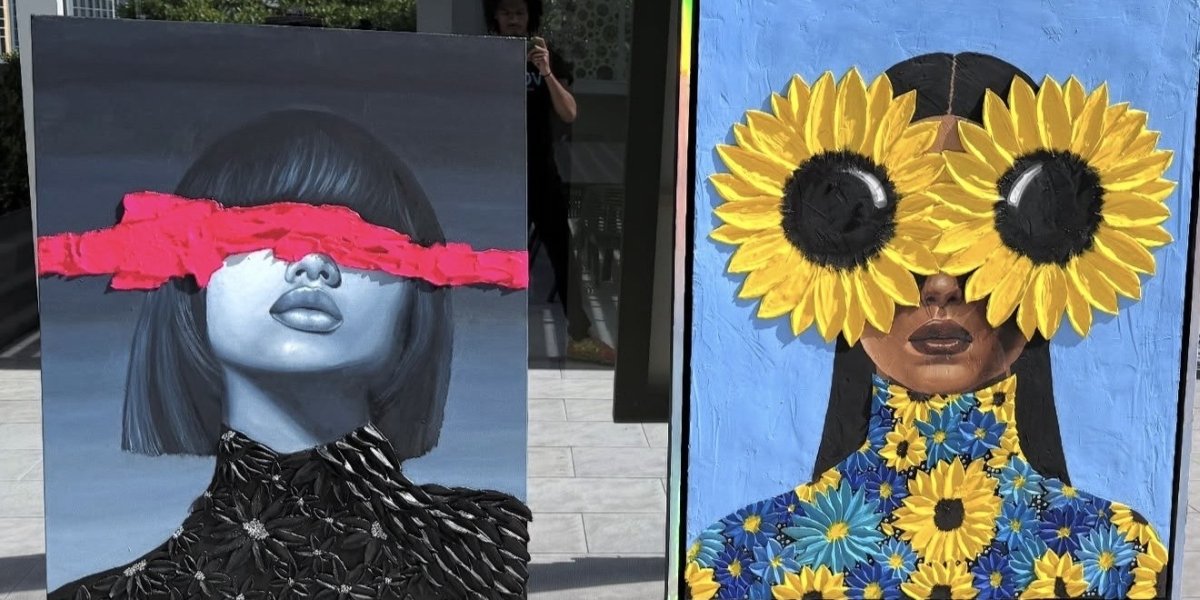
Known for his textured portraits, bold use of color, spiritual undertones, and emotionally layered compositions, the artist, also known online as @quitefranklee4, has become one of the rising creative names connected to the contemporary collector scene surrounding Jason Perez Art Collective.
Frankie’s paintings immediately capture attention, but what keeps people standing in front of them is something deeper: emotion. His work feels personal, vulnerable, alive. Whether painting iconic female figures, cultural references, or emotionally symbolic portraits, Fleurimond creates pieces that invite viewers not only to look, but to feel.
In this exclusive interview, Frankie Fleurimond opens up about his artistic journey, emotional storytelling, spirituality, and the importance of authentic connection in contemporary art.
Your work feels very emotional and personal. When did art first become important to you?
Honestly, art has been part of my life for as long as I can remember. I started drawing when I was young, mostly inspired by anime and cartoons at first. Over time, though, it became much more than just drawing. It became a way to express emotions I couldn’t always explain verbally.
As I got older, I realized creating art gave me peace and clarity. It became therapeutic. Even now, painting is one of the few places where everything feels honest.
A lot of your paintings combine beauty with emotional intensity. Why are you drawn to that contrast?
Because that’s life.
People often try to separate beauty from struggle, but I think the most powerful things exist somewhere in between. A person can be beautiful and broken at the same time. Strong and vulnerable at the same time.
I try to create paintings that carry both energies. I want people to feel emotion underneath the visual beauty. Otherwise the work feels empty to me.
Your style feels influenced by street culture, portraiture, spirituality, and modern pop aesthetics all at once. How would you personally describe your artistic language?
I think my work is emotional realism mixed with expressive storytelling. I don’t really like putting strict labels on it because creativity changes constantly.
I’m inspired by people, culture, music, spirituality, emotion, color, and everyday human experiences. Sometimes a painting starts from a memory. Sometimes from a conversation. Sometimes just from a feeling I can’t ignore.
I want the work to feel alive.
You openly describe yourself as a Christian artist. Does faith influence your creative process?
Absolutely.
Faith influences how I see people, how I see purpose, and honestly how I survive difficult moments creatively and personally. Art can become a very lonely journey sometimes. There’s uncertainty, pressure, rejection, comparison, all of that exists.
My faith helps ground me through those moments.
I think spirituality naturally enters my work even when it’s not obvious visually. There’s always some element of hope, healing, or humanity inside the paintings.
Before becoming a full-time artist, you worked outside the art world entirely. How did that experience shape you?
It taught me discipline and gratitude.
People sometimes see artists after they’ve already built visibility and assume success happened quickly. But most artists go through years of uncertainty before anybody notices them. I worked regular jobs while painting constantly because I believed eventually it would become something bigger.
That process teaches you resilience.
And honestly, I think struggle gives artists perspective. Without life experience, art can feel emotionally shallow.
Your paintings are incredibly textured and physical. Why is texture so important in your work?
Because I want people to experience the work, not just observe it from a distance.
Texture creates movement, energy, emotion. When you stand close to a painting, you notice layers, imperfections, brush movement, all the human parts of the process.
I think in a digital world, people crave real physical connection again. Texture reminds people that a human being actually created this piece with emotion and intention.
Your audience continues growing through exhibitions, collectors, and social media. What kind of connection do you hope people have with your work?
I hope people feel seen emotionally.
Not every viewer experiences a painting the same way, and I actually love that. Sometimes somebody connects to a color. Sometimes to an expression. Sometimes to the energy itself.
But if somebody walks away feeling something emotionally, even if they can’t explain it, then I feel like the work succeeded.
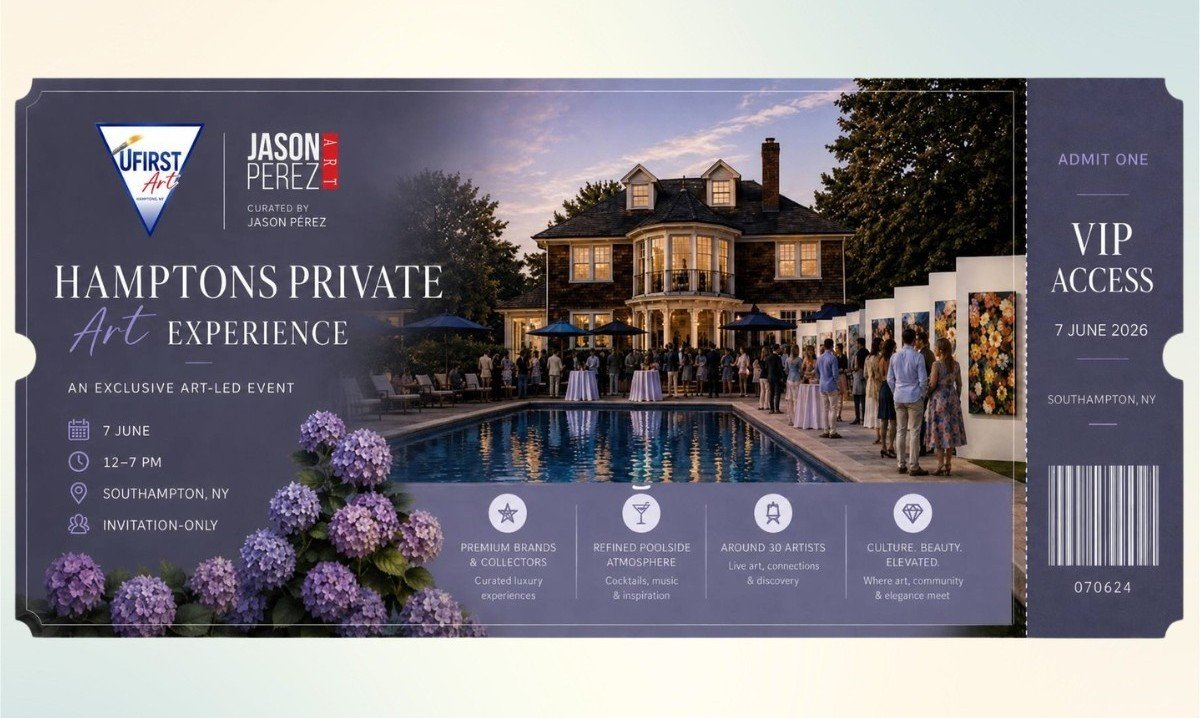
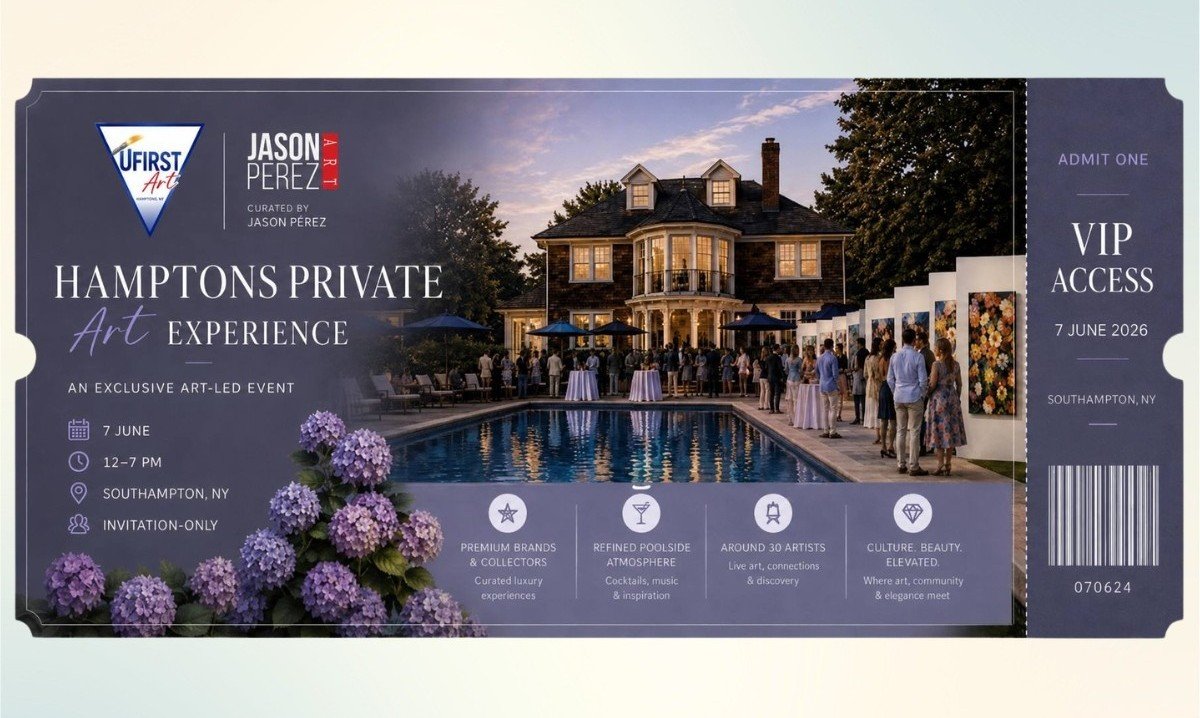
You’ll also be participating in the upcoming Hamptons Private Art Experience on June 7, 2026, in Southampton, New York, produced by Jason Perez and UFIRST Art Production. Why do intimate collector-focused events matter for artists today?
Because real connection matters more than ever.
A lot of modern art spaces feel rushed or transactional. What I appreciate about events like this is that people actually slow down and engage with the work. They ask questions. They spend time with the paintings. Conversations happen naturally.
That kind of environment is powerful for artists because art becomes personal again instead of just visual content people scroll past online.
I think the Hamptons event is going to create that atmosphere, something elevated, creative, intimate, and emotionally real.
What drives you creatively today?
Growth. Honesty. Legacy.
I don’t want to create work just to follow trends. I want to continue evolving emotionally and artistically. I want my paintings to reflect real experiences, real emotion, and real humanity.
At the end of the day, I think great art should leave a feeling behind. That’s what I’m always chasing.