
Celebrity News

HINKELMAN: The Art of Embracing Feminine Power


In a time when fashion often rushes forward without pausing to breathe, HINKELMAN stands apart — calm, intentional, and timeless. The brand was born from the desire to bring meaning back into style, to remind women that strength can coexist with grace, and that true elegance lies in authenticity.

At the heart of the brand is the HINKELMAN basque belt — an accessory that transcends fashion trends and becomes a statement of identity. It doesn’t merely complement a look; it defines it. Once fastened around the waist, the silhouette transforms, and what was once ordinary acquires an aura of couture refinement.

Whether paired with a minimalist dress, a tailored suit, or a simple white shirt, the HINKELMAN basque becomes the focal point — sculpting form, elevating presence, and celebrating femininity in its purest expression.

Each piece is the result of meticulous craftsmanship and an unwavering pursuit of perfection. From the first sketch to the final stitch, nothing is accidental. The design process is guided by balance — the harmony between softness and structure, confidence and delicacy. The basque doesn’t dominate the woman who wears it; it reveals her essence.

Behind the creation stands a philosophy: that luxury is not about excess, but depth. Every HINKELMAN piece is produced in limited quantities, ensuring rarity and preserving a sense of intimacy. The brand speaks to women who know that true distinction is quiet, and that sophistication whispers rather than shouts.

What sets HINKELMAN apart?

  • Exclusivity. Each basque is handcrafted in limited numbers, transforming every piece into a collector’s item — something to be cherished, not consumed.
  • Timelessness. It transcends seasons and trends, destined to remain relevant for years to come. The HINKELMAN basque is not just worn; it becomes part of the wearer’s story.
  • Emotion. There’s a subtle transformation that happens when a woman wears it — she stands taller, moves differently, radiates quiet confidence.

The artistry behind each piece reflects the brand’s devotion to conscious luxury. HINKELMAN rejects the notion of fast fashion, favoring thoughtful creation and emotional resonance. Each basque is designed to last — in its construction, in its meaning, and in the feeling it evokes.

In the world of HINKELMAN, an accessory is never “just” an accessory. It’s a bridge between fashion and emotion — a way to reconnect with oneself through design. Every line, curve, and material choice tells a story of precision and intention.

This is a brand for the modern muse — a woman who commands attention without seeking it, who embodies strength through softness, and whose elegance is defined by depth rather than display.

HINKELMAN: The Art of Embracing Feminine Power

Photo Courtesy: HINKELMAN

As part of the conscious luxury movement, HINKELMAN stands for values that extend beyond aesthetics. The brand embraces the idea of longevity — not only in the lifespan of its creations, but in the legacy they build. It’s a reminder that fashion can be both beautiful and meaningful, both current and eternal.

The basque, in its architectural form, symbolizes balance — the ability to hold structure without losing fluidity. It is both armor and adornment, a quiet expression of power. For the woman who wears it, it becomes more than a garment detail; it becomes a statement of who she is.

In an era where trends come and go faster than ever, HINKELMAN offers something rare — stillness. A moment of pause in which beauty feels personal, and craftsmanship carries emotional weight. The brand doesn’t chase relevance; it creates it.

Every woman deserves to feel like a muse. HINKELMAN was created to remind her of that — to remind her that elegance can be effortless, and that her power has always been there, waiting to be revealed.

Step into the world of HINKELMAN, where every accessory is a work of art, and every detail tells a story. A world where design becomes poetry, and fashion transforms into the language of feminine power.
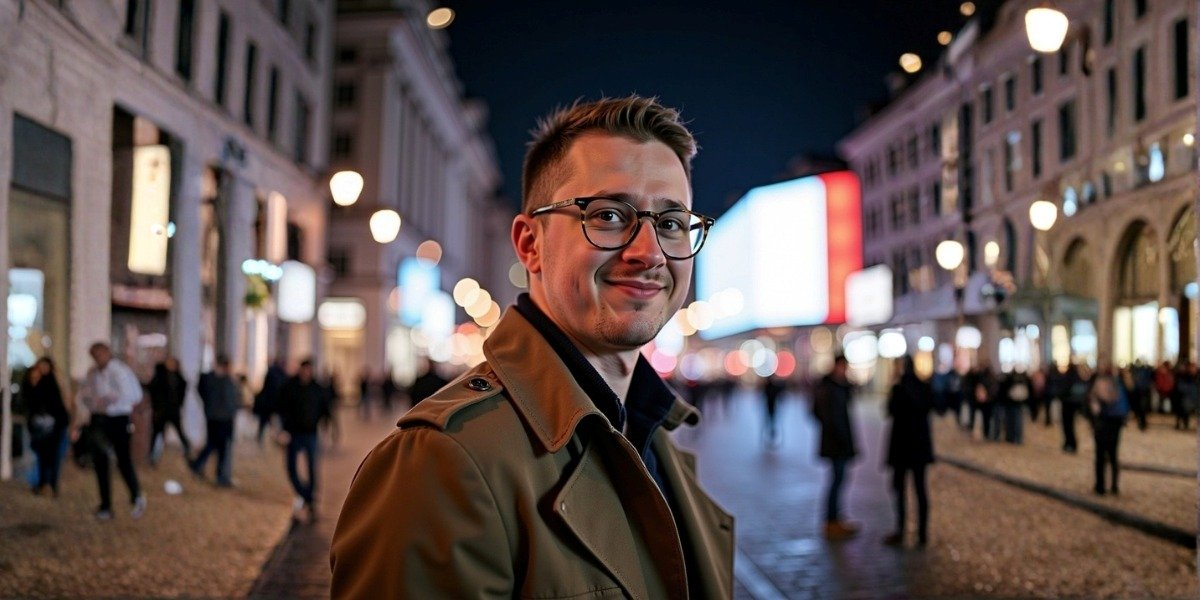
Housing Solutions for Diverse Needs – Dr. Connor Robertson’s Vision

By: Dr. Connor Robertson

Housing is more than a roof over one’s head; it can be a foundation for stability, health, and opportunity. Yet, in many communities, the housing market is not always fully meeting the diverse needs of residents. Rising costs, limited availability, and outdated approaches have left some people struggling to find a place they can afford and call home. Dr. Connor Robertson, a real estate strategist and advocate for equitable development, believes that solving the housing crisis requires rethinking how we design, build, and manage homes. His vision focuses on creating housing that could work for everyone, from young professionals and families to seniors and low-income households, while attempting to ensure that communities remain vibrant and sustainable.

Understanding the Gaps in the Current System

The modern housing market often prioritizes profitability over accessibility, which has led to some groups being underserved. Key issues include:

  • Affordability gaps – Home prices and rents have increased at a pace faster than wages, making it difficult for many households to keep up.
  • Limited housing diversity – Many areas may lack the variety of housing types needed to serve different income levels, lifestyles, and family structures.
  • Aging housing stock – Older homes may not meet modern standards for accessibility, energy efficiency, or technology integration.

Dr. Robertson emphasizes that addressing these gaps requires both innovative solutions and collaboration between developers, policymakers, and community stakeholders.

Designing for Diverse Needs

Housing that works for everyone should reflect the varied ways people live today. This means moving beyond the one-size-fits-all approach to include:

  • Smaller, affordable units for single adults and young couples.

  • Family-friendly layouts with multiple bedrooms and access to safe outdoor spaces.

  • Accessible designs that accommodate seniors and people with disabilities.

  • Shared housing models like co-living that could reduce costs and foster community.

Dr. Robertson suggests that flexible design is key. “A well-designed home can adapt to the changing needs of its occupants over time,” he says.

Integrating Affordability Without Sacrificing Quality

Affordable housing does not always have to mean lower quality. By leveraging cost-efficient construction methods, sourcing durable materials, and optimizing floor plans, developers could deliver homes that are both attainable and appealing.

Dr. Robertson also highlights the role of public-private partnerships in expanding affordability. Incentives such as density bonuses, tax credits, and expedited permitting may encourage developers to include affordable units in their projects without compromising overall quality.

The Role of Location and Accessibility

Housing should connect people to the resources they need: jobs, schools, healthcare, and recreation. Dr. Robertson underscores the importance of building in locations with strong transportation links and walkable access to daily necessities.

When people are able to live near where they work and play, they can save time and money, reduce transportation-related emissions, and enjoy a higher quality of life.

Sustainability as a Core Principle

Sustainability is not an add-on; it should be central to housing that works for everyone. Energy-efficient buildings may reduce utility costs for residents and lower environmental impact. Features like solar panels, efficient appliances, and water-saving fixtures could provide long-term savings and resilience.

Dr. Robertson incorporates sustainable design into his projects not just as a cost-saving measure, but as an investment in healthier communities. “Sustainability and affordability can go hand in hand when you look at the total cost of living,” he notes.

Technology’s Role in Inclusive Housing

Modern housing has the potential to benefit greatly from technology. Smart home features, energy monitoring, and digital property management tools can improve safety, convenience, and efficiency for residents.

For property managers, technology enables better communication, faster maintenance response, and more efficient operations, all of which can contribute to resident satisfaction.

Building Community Alongside Housing

Housing that works for everyone is about more than physical space; it’s about creating a sense of belonging. Community-building elements such as shared spaces, events, and local partnerships could help residents connect and feel invested in their neighborhood.

Dr. Robertson sees housing as a catalyst for stronger communities. “When people know their neighbors and feel part of something bigger, the entire neighborhood may benefit,” he says.

A Collaborative Path Forward

No single entity can solve housing challenges alone. Dr. Robertson advocates for collaboration between developers, nonprofits, government agencies, and residents to create solutions that are financially viable and socially impactful.

This includes listening to community input early in the development process, ensuring projects reflect local needs, and making long-term commitments to property maintenance and affordability.

Looking Ahead

As cities and towns navigate changing demographics, economic pressures, and environmental challenges, housing strategies must evolve. Dr. Connor Robertson’s vision of housing that works for everyone emphasizes flexibility, inclusivity, and sustainability, ensuring that homes can serve as not just shelters, but launchpads for opportunity and community well-being.

For more on Dr. Robertson’s work and perspective, visit www.drconnorrobertson.com.