Celebrity News

HINKELMAN: The Art of Embracing Feminine Power

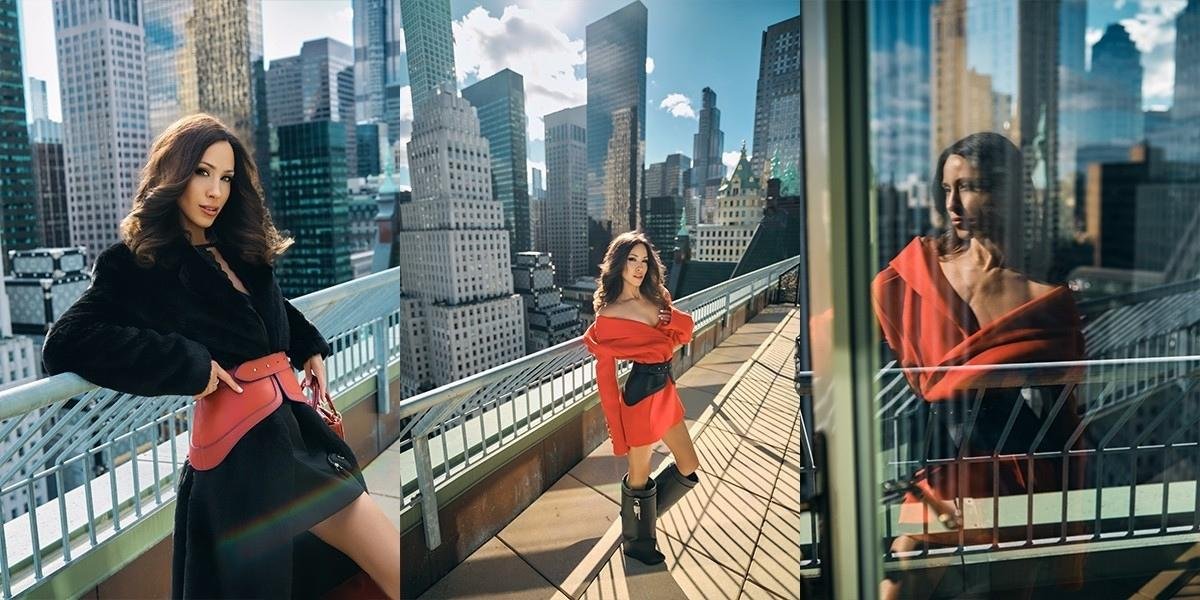
In a time when fashion often rushes forward without pausing to breathe, HINKELMAN stands apart — calm, intentional, and timeless. The brand was born from the desire to bring meaning back into style, to remind women that strength can coexist with grace, and that true elegance lies in authenticity.

At the heart of the brand is the HINKELMAN basque belt — an accessory that transcends fashion trends and becomes a statement of identity. It doesn’t merely complement a look; it defines it. Once fastened around the waist, the silhouette transforms, and what was once ordinary acquires an aura of couture refinement.

Whether paired with a minimalist dress, a tailored suit, or a simple white shirt, the HINKELMAN basque becomes the focal point — sculpting form, elevating presence, and celebrating femininity in its purest expression.

Each piece is the result of meticulous craftsmanship and an unwavering pursuit of perfection. From the first sketch to the final stitch, nothing is accidental. The design process is guided by balance — the harmony between softness and structure, confidence and delicacy. The basque doesn’t dominate the woman who wears it; it reveals her essence.

Behind the creation stands a philosophy: that luxury is not about excess, but depth. Every HINKELMAN piece is produced in limited quantities, ensuring rarity and preserving a sense of intimacy. The brand speaks to women who know that true distinction is quiet, and that sophistication whispers rather than shouts.

What sets HINKELMAN apart?

  • Exclusivity. Each basque is handcrafted in limited numbers, transforming every piece into a collector’s item — something to be cherished, not consumed.
  • Timelessness. It transcends seasons and trends, destined to remain relevant for years to come. The HINKELMAN basque is not just worn; it becomes part of the wearer’s story.
  • Emotion. There’s a subtle transformation that happens when a woman wears it — she stands taller, moves differently, radiates quiet confidence.

The artistry behind each piece reflects the brand’s devotion to conscious luxury. HINKELMAN rejects the notion of fast fashion, favoring thoughtful creation and emotional resonance. Each basque is designed to last — in its construction, in its meaning, and in the feeling it evokes.

In the world of HINKELMAN, an accessory is never “just” an accessory. It’s a bridge between fashion and emotion — a way to reconnect with oneself through design. Every line, curve, and material choice tells a story of precision and intention.

This is a brand for the modern muse — a woman who commands attention without seeking it, who embodies strength through softness, and whose elegance is defined by depth rather than display.

HINKELMAN: The Art of Embracing Feminine Power

Photo Courtesy: HINKELMAN

As part of the conscious luxury movement, HINKELMAN stands for values that extend beyond aesthetics. The brand embraces the idea of longevity — not only in the lifespan of its creations, but in the legacy they build. It’s a reminder that fashion can be both beautiful and meaningful, both current and eternal.

The basque, in its architectural form, symbolizes balance — the ability to hold structure without losing fluidity. It is both armor and adornment, a quiet expression of power. For the woman who wears it, it becomes more than a garment detail; it becomes a statement of who she is.

In an era where trends come and go faster than ever, HINKELMAN offers something rare — stillness. A moment of pause in which beauty feels personal, and craftsmanship carries emotional weight. The brand doesn’t chase relevance; it creates it.

Every woman deserves to feel like a muse. HINKELMAN was created to remind her of that — to remind her that elegance can be effortless, and that her power has always been there, waiting to be revealed.

Step into the world of HINKELMAN, where every accessory is a work of art, and every detail tells a story. A world where design becomes poetry, and fashion transforms into the language of feminine power.
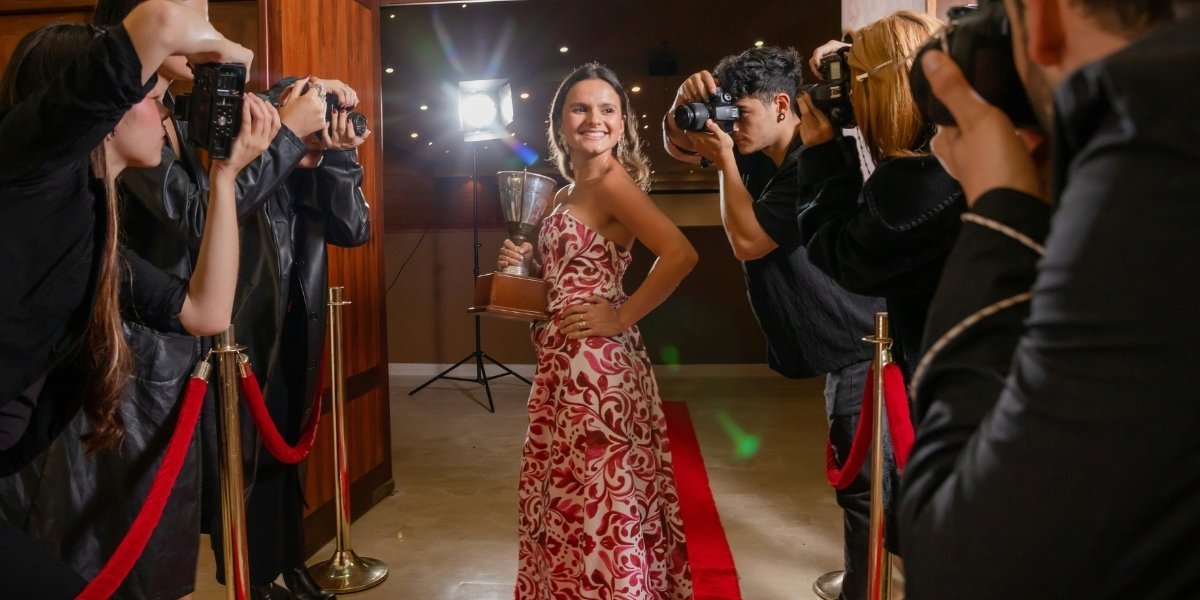
The PR Game: How Publicists Build, Manage, and Protect Celebrity Brands

How Publicists Create Stars: A Look at the PR Game

In the glittering world of Hollywood, music, and celebrity culture, talent is only part of the equation for achieving superstardom. Behind every A-list actor, chart-topping musician, and influential public figure stands a crucial, often unseen, force: the publicist. These strategic communicators are the architects of a celebrity’s public persona, meticulously crafting narratives, managing crises, and orchestrating every public-facing move to build and sustain a star’s career. A publicist’s work is a delicate blend of strategic planning, relationship management, and crisis control, operating as the gatekeeper between a celebrity’s private life and their public image.

The role of a publicist goes far beyond simply booking interviews. It is a sophisticated, high-stakes game of perception, where every quote, every red carpet appearance, and every social media post is a calculated part of a broader strategy. This article will delve into the multifaceted world of public relations for celebrities, exploring how publicists build a star’s brand from the ground up, manage the inevitable scandals, and ensure that their clients remain relevant and adored in the ever-scrutinizing public eye.

Crafting the Public Persona: The Art of Brand Building

The PR Game How Publicists Build, Manage, and Protect Celebrity Brands

Photo Credit: Unsplash.com

The foundation of a publicist’s work is brand building. A celebrity is, in essence, a product, and a publicist’s job is to define that product and market it to the world. This process begins with a deep understanding of the client’s unique identity, talents, and aspirations. The publicist then translates this into a compelling and consistent public persona that resonates with target audiences. This crafted image is what the public sees, hears, and reads, and it must be carefully managed across all media platforms.

Part of this brand building involves creating a narrative. Is the celebrity an earnest, down-to-earth humanitarian? Or a rebellious, edgy artist? The publicist will work to frame every public appearance, interview, and project in a way that reinforces this narrative. For a new artist, a publicist might secure features in smaller, trendsetting publications before pitching them to major outlets. This graduated approach builds credibility and a loyal following before they are thrust into the harsh spotlight. For established stars, the goal is often to refresh their image or align them with a cause they care about, such as environmentalism or social justice, adding depth and relatability to their brand.

Publicists are masters of media placement. They strategically choose which magazines, talk shows, and digital platforms are the best fit for their client’s message. They cultivate relationships with journalists, editors, and producers, understanding that a strong network is invaluable for securing positive and impactful media coverage. The goal is not just to get a celebrity’s name in print, but to place it in a context that reinforces their desired public image and pushes their career forward. This strategic approach ensures that the client’s story is told on their terms, rather than leaving their image to chance.

Crisis Management: Damage Control in the Digital Age

In a world where one misstep can go viral in seconds, a publicist’s role as a crisis manager is more critical than ever. When a scandal erupts, whether it’s a leaked photo, a controversial comment, or legal trouble, the publicist is the first line of defense. Their job is to contain the damage, control the narrative, and guide their client through the storm with as little long-term harm to their reputation as possible.

The first step in crisis management is to gather all the facts and assess the situation calmly. A good publicist will have a plan ready to execute almost immediately. This often involves issuing a carefully worded statement, either from the publicist’s firm or from the celebrity themselves, that addresses the situation without adding fuel to the fire. Timing is everything in these situations, and a quick, strategic response can often prevent a small incident from becoming a career-ending disaster. The statement’s tone can be apologetic, defiant, or simply informational, depending on the circumstances, but its purpose is always to shape public perception.

In the digital age, crisis management extends to social media. Publicists work with their clients to craft social media posts that address the issue without being overly defensive or emotional. They might also advise a temporary break from social media to allow the news cycle to move on. For more serious issues, the publicist may advise the celebrity to do a carefully controlled “mea culpa” interview or to make a public appearance at a charity event, shifting the narrative from the negative event to a positive, forward-looking message. A skilled publicist understands that the public has a short attention span, and their job is to help their client survive the initial backlash and then strategically move them back into the public’s good graces through a series of positive, well-managed events.

The Art of the Pitch: Securing Opportunities and Maintaining Relevance

The PR Game: How Publicists Build, Manage, and Protect Celebrity Brands

Photo Credit: Unsplash.com

Once a celebrity has established their brand and weathered any storms, a publicist’s ongoing work focuses on maintaining relevance and securing new opportunities. This is the art of the pitch, where a publicist proactively seeks out media placements and speaking engagements that align with the client’s brand and career goals. This consistent effort ensures that a celebrity remains in the public eye and continues to be seen as a desirable and influential figure.

A publicist’s work involves pitching their clients for a wide variety of opportunities. This can include everything from magazine covers and feature stories to guest spots on popular talk shows and invitations to exclusive events. For a movie star, a publicist will work tirelessly during the promotional cycle of a new film, securing interviews and red carpet appearances that generate buzz and drive people to the box office. For a musician, this might involve pitching them for a performance slot on a major award show or a high-profile festival. They also play a crucial role in securing brand partnerships and endorsement deals, which are often a major source of income for celebrities.

Maintaining relevance in an ever-changing media landscape also means understanding new platforms and trends. A good publicist is constantly monitoring social media trends, podcasts, and digital-first publications to find new and innovative ways to get their client’s message out. They might advise a celebrity to launch a podcast, start a YouTube channel, or partner with a popular TikTok creator to reach a new and younger audience. This forward-thinking approach ensures that their clients’ fame doesn’t fade with time. Ultimately, a publicist is a career manager, a brand strategist, and a crisis controller all rolled into one, a master of the invisible strings that keep a celebrity’s public image in perfect harmony with their professional aspirations.

George Clooney Says He’s Done With On-Screen Kissing and Hollywood Is Paying Attention

George Clooney Makes His Stance on On-Screen Kissing Clear

George Clooney has spent decades as one of Hollywood’s most recognizable leading men. From romantic dramas to slick ensemble films, his on-screen chemistry was once part of his brand. That’s why his recent statement about no longer kissing female co-stars landed with such force across entertainment news.

In a recent interview, Clooney confirmed he has decided to stop doing on-screen kissing scenes. He framed the choice as personal, thoughtful, and long overdue. There was no controversy attached, no fallout, and no dramatic announcement. Just a calm acknowledgment that a chapter of his career has closed.

For audiences, the news feels both surprising and logical. Clooney isn’t rejecting acting or storytelling. He’s redefining how he wants to participate in it. That shift says as much about Hollywood as it does about him.

What Clooney Actually Said and How He Explained It

Clooney explained that his decision came after conversations with his wife, human rights attorney Amal Clooney. He spoke openly about age, family, and how he views himself on screen now. He referenced actor Paul Newman, who made a similar decision later in life after settling into a long marriage.

Rather than presenting the choice as a moral stance, Clooney treated it like a practical one. He acknowledged that playing romantic leads opposite much younger actresses no longer feels natural to him. The roles may still exist, but his interest in them does not.

He also joked about the passage of time, noting that future versions of himself would be far removed from the characters he once played. The humor softened the message, but the intent was clear. He’s done pretending he’s the same man he was in his forties.

How This Fits Into Clooney’s Career Timeline

Clooney’s career has already covered most of what actors chase. Box office hits, critical praise, awards, and cultural relevance all came early and often. Unlike stars still fighting for relevance, he has room to be selective.

Over the past decade, his roles have gradually shifted. He’s leaned more into directing, producing, and character driven stories. The romantic spark that once defined him has faded quietly rather than disappearing overnight.

This announcement simply puts words to what audiences have already seen. Clooney isn’t chasing charm anymore. He’s choosing roles that reflect where he is, not where casting expectations once placed him.

What This Means for Romantic Roles in Hollywood

George Clooney Says He’s Done With On-Screen Kissing and Hollywood Is Paying Attention (2)

Photo Credit: Unsplash.com

Clooney’s statement also highlights a broader pattern in Hollywood casting. Male actors often continue to play romantic leads well into their sixties and seventies. The industry rarely questions it, even when the age gap between co-stars grows uncomfortable.

By stepping away from on-screen kissing, Clooney is quietly challenging that norm. He’s not calling it out directly, but his decision removes himself from a system that rewards imbalance.

This could open space for new stories. Mature characters don’t need romance defined by physical intimacy to feel compelling. Emotional connection, shared history, and quiet tension can carry just as much weight.

Audience Reaction and Public Response

The public response has been mixed but largely respectful. Many fans praised Clooney for setting boundaries and aging with self awareness. Others found humor in his phrasing, particularly his use of the word girls instead of women.

Online reactions leaned playful rather than hostile. The story sparked jokes, memes, and thoughtful commentary rather than backlash. That tone reflects Clooney’s public image. He’s seen as approachable, reflective, and grounded.

The absence of outrage is notable. In another context, a statement like this might have triggered a heated debate. Instead, it landed as a calm personal update from a star who has little left to prove.

How This Affects Future Projects

Clooney hasn’t announced retirement, and this decision doesn’t limit him creatively as much as it may seem. Many compelling roles do not rely on romantic scenes. Political dramas, character studies, and ensemble projects remain wide open.

For casting directors, the message is clear. If a role depends on traditional romance, Clooney isn’t the fit. If the role values presence, depth, and authority, he remains an option.

This clarity may actually help his career. Boundaries simplify creative decisions and prevent mismatched expectations on set.

The Influence of Family on His Choices

Clooney has spoken often about how becoming a husband and father reshaped his priorities. His twins are still young, and he has scaled back work to spend more time at home.

That context matters. The decision about on-screen kissing is part of a larger recalibration. Fame no longer drives his choices. Time does.

Many actors talk about balance. Few act on it this visibly. Clooney’s career now moves at a pace set by personal life rather than industry pressure.

Hollywood’s Relationship With Aging Male Stars

Hollywood has long struggled with how to frame aging male stars. Some cling to youthful roles. Others disappear quietly. A smaller group adapts with intention.

Clooney appears to be choosing adaptation. He’s not rejecting his past, but he’s not recreating it either. That middle ground is rare and often difficult to maintain.

His decision invites conversation about how stories can better reflect aging without denial or exaggeration. Audiences are aging, too. Many welcome stories that feel honest rather than aspirational.

Why This Story Resonates Right Now

This moment resonates because it feels grounded. There’s no scandal. No branding exercise. Just a well known actor acknowledging limits and making peace with them.

In an industry built on illusion, that kind of honesty stands out. Clooney isn’t selling an image. He’s adjusting one.

For fans, it offers a reminder that careers don’t need to stretch endlessly in the same shape. Change doesn’t signal decline. Sometimes it signals control.

What Comes Next for Clooney

Clooney continues to act, direct, and produce. His creative influence remains intact. The difference is tone, not relevance.

Future roles will likely lean into authority, reflection, and complexity. Romance may still exist in his characters’ lives, just without physical expression.

That choice won’t diminish his legacy. If anything, it adds definition to it. George Clooney isn’t stepping back from Hollywood. He’s choosing how to stay in it on his own terms.

Housing Solutions for Diverse Needs – Dr. Connor Robertson’s Vision

By: Dr. Connor Robertson

Housing is more than a roof over one’s head; it can be a foundation for stability, health, and opportunity. Yet, in many communities, the housing market is not always fully meeting the diverse needs of residents. Rising costs, limited availability, and outdated approaches have left some people struggling to find a place they can afford and call home. Dr. Connor Robertson, a real estate strategist and advocate for equitable development, believes that solving the housing crisis requires rethinking how we design, build, and manage homes. His vision focuses on creating housing that could work for everyone, from young professionals and families to seniors and low-income households, while attempting to ensure that communities remain vibrant and sustainable.

Understanding the Gaps in the Current System

The modern housing market often prioritizes profitability over accessibility, which has led to some groups being underserved. Key issues include:

  • Affordability gaps – Home prices and rents have increased at a pace faster than wages, making it difficult for many households to keep up.
  • Limited housing diversity – Many areas may lack the variety of housing types needed to serve different income levels, lifestyles, and family structures.
  • Aging housing stock – Older homes may not meet modern standards for accessibility, energy efficiency, or technology integration.

Dr. Robertson emphasizes that addressing these gaps requires both innovative solutions and collaboration between developers, policymakers, and community stakeholders.

Designing for Diverse Needs

Housing that works for everyone should reflect the varied ways people live today. This means moving beyond the one-size-fits-all approach to include:

  • Smaller, affordable units for single adults and young couples.

  • Family-friendly layouts with multiple bedrooms and access to safe outdoor spaces.

  • Accessible designs that accommodate seniors and people with disabilities.

  • Shared housing models like co-living that could reduce costs and foster community.

Dr. Robertson suggests that flexible design is key. “A well-designed home can adapt to the changing needs of its occupants over time,” he says.

Integrating Affordability Without Sacrificing Quality

Affordable housing does not always have to mean lower quality. By leveraging cost-efficient construction methods, sourcing durable materials, and optimizing floor plans, developers could deliver homes that are both attainable and appealing.

Dr. Robertson also highlights the role of public-private partnerships in expanding affordability. Incentives such as density bonuses, tax credits, and expedited permitting may encourage developers to include affordable units in their projects without compromising overall quality.

The Role of Location and Accessibility

Housing should connect people to the resources they need: jobs, schools, healthcare, and recreation. Dr. Robertson underscores the importance of building in locations with strong transportation links and walkable access to daily necessities.

When people are able to live near where they work and play, they can save time and money, reduce transportation-related emissions, and enjoy a higher quality of life.

Sustainability as a Core Principle

Sustainability is not an add-on; it should be central to housing that works for everyone. Energy-efficient buildings may reduce utility costs for residents and lower environmental impact. Features like solar panels, efficient appliances, and water-saving fixtures could provide long-term savings and resilience.

Dr. Robertson incorporates sustainable design into his projects not just as a cost-saving measure, but as an investment in healthier communities. “Sustainability and affordability can go hand in hand when you look at the total cost of living,” he notes.

Technology’s Role in Inclusive Housing

Modern housing has the potential to benefit greatly from technology. Smart home features, energy monitoring, and digital property management tools can improve safety, convenience, and efficiency for residents.

For property managers, technology enables better communication, faster maintenance response, and more efficient operations, all of which can contribute to resident satisfaction.

Building Community Alongside Housing

Housing that works for everyone is about more than physical space; it’s about creating a sense of belonging. Community-building elements such as shared spaces, events, and local partnerships could help residents connect and feel invested in their neighborhood.

Dr. Robertson sees housing as a catalyst for stronger communities. “When people know their neighbors and feel part of something bigger, the entire neighborhood may benefit,” he says.

A Collaborative Path Forward

No single entity can solve housing challenges alone. Dr. Robertson advocates for collaboration between developers, nonprofits, government agencies, and residents to create solutions that are financially viable and socially impactful.

This includes listening to community input early in the development process, ensuring projects reflect local needs, and making long-term commitments to property maintenance and affordability.

Looking Ahead

As cities and towns navigate changing demographics, economic pressures, and environmental challenges, housing strategies must evolve. Dr. Connor Robertson’s vision of housing that works for everyone emphasizes flexibility, inclusivity, and sustainability, ensuring that homes can serve as not just shelters, but launchpads for opportunity and community well-being.

For more on Dr. Robertson’s work and perspective, visit www.drconnorrobertson.com.