Virtual Skin Spa: Elevating Aesthetic Treatments with Aura Technology and Founder Theresa Pinson


Spotlight on Virtual Skin Spa & the transformative device Aura — with founder Theresa Pinson at the helm
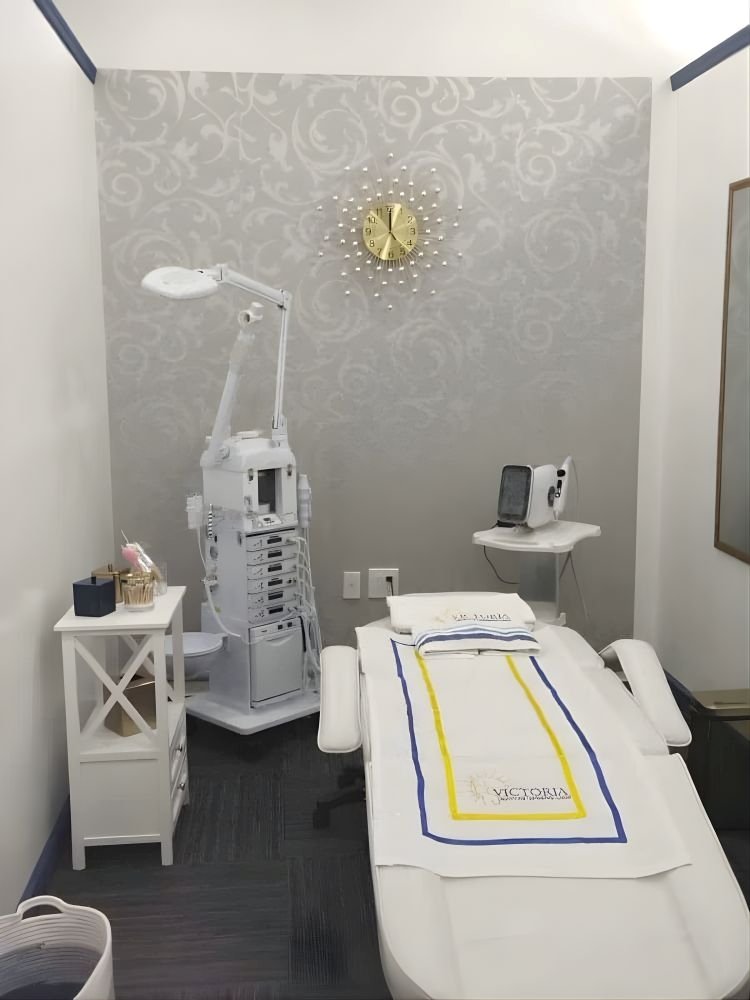
Photo Courtesy: Virtual Skin Spa
In the ever-glamorous world of celebrity beauty and luxury skincare, one name is quietly changing the game: Theresa Pinson, the founder and director of Virtual Skin Spa on Long Island. With a background in advanced cosmetic injection and skincare education, Pinson recently ushered in a new era of precision aesthetic treatment at her clinic by introducing the Aura 3D Imaging System — giving clients and their stars-on-the-red-carpet aspirations a high-tech vantage point into their beauty journeys.
Who is Theresa Pinson?
Theresa Pinson isn’t just another practitioner in the aesthetics arena. She is an advanced clinician, educator, and business owner whose journey reflects both technical expertise and entrepreneurial spirit. Her profile includes:
- A foundation in nursing / clinical care and progression into aesthetic injections and non-surgical rejuvenation.
- Establishing Virtual Skin Spa as a destination spa-atelier, offering everything from injectables to body contouring, while prioritising client education and accessible luxury.
- Serving as a mentor and educator for other practitioners showing she’s not only about her clients, but about uplifting the industry.
For celebrity clients—or anyone who expects service and results at a luxury level—Pinson and Virtual Skin spa brings both technical precision and the client-experience mindset that resonates in the world of high-visibility beauty.
Meet the Aura Device: What It Is and Why It Matters
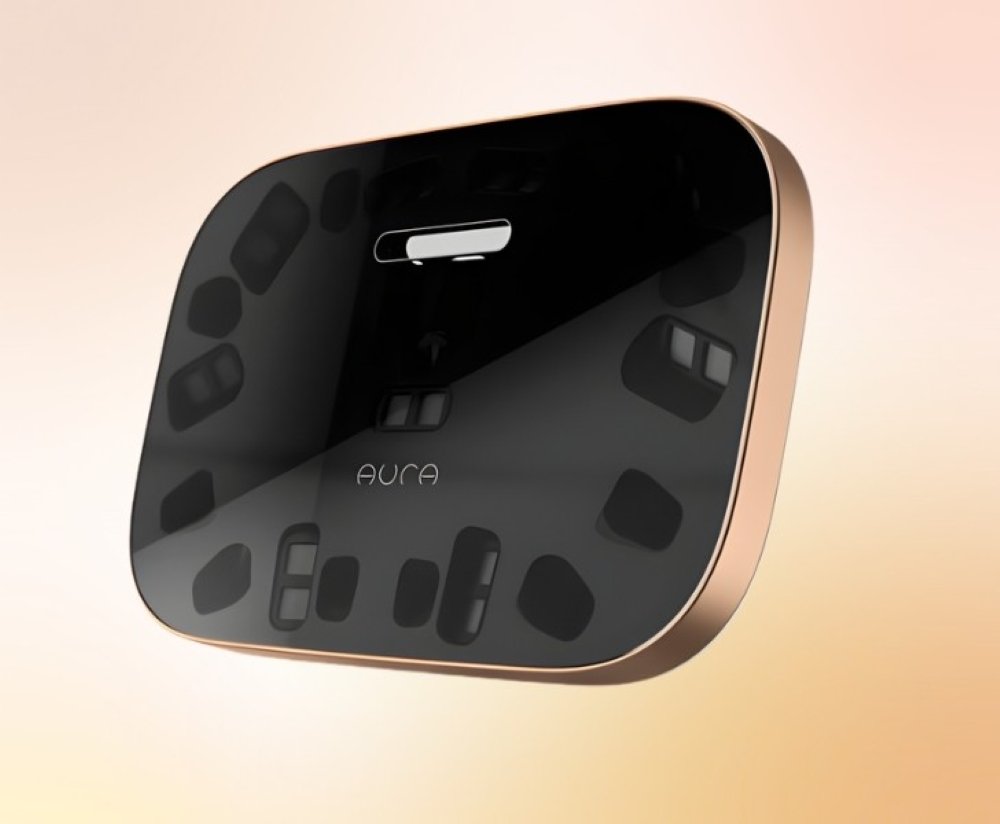
Photo Courtesy: Virtual Skin Spa
The device in focus is the Aura 3D Imaging System (often referred to simply as “Aura”). It’s the kind of high-end aesthetic technology that blends hardware, software and AI to give something tangible: a visual “digital twin” of your face and neck. Key features include:
- A single-capture scan that produces a photo-realistic 3D model of the face and neck, enabling detailed analysis of skin texture, volumes, asymmetries, and aging-markers.
- Advanced imaging plus analytics: the system incorporates multiple cameras, sophisticated lighting, and AI algorithms to measure pores, brown spots, red areas, fine lines, and volumetric shifts.
- Real-time visualisation for both practitioner and client: this means your aesthetic consultation isn’t just “let’s look and decide” but “here’s your 3D twin, here’s what we see, here’s what we can adjust.”
From a celebrity-news angle: when your face is your brand, when your image is photographed and magnified, having this kind of high-precision scan and plan can make the difference between “just another treatment” and “a tailored, data-driven beauty evolution.”
How Aura Is Being Used at Virtual Skin Spa
At Virtual Skin Spa, Theresa Pinson has become one of the early adopters of Aura in the U.S., leveraging the tech to elevate her consultation-and-treatment experience. Some highlights:
- During the consultation, clients don’t just talk about “what do you want” — they see it: the scan shows them current condition, potential transformations, and sets a clearer expectation.
- Treatment plans become more personalised: because the scan captures structural details and skin condition, the spa can propose filler placements, skin procedures, body contouring with a more granular roadmap. Pinson herself talks about moving from “guesswork” to “knowledge”.
- Post-treatment monitoring: because the digital twin can be tracked over time, clients (including high-profile ones) have documented visual proof of improvement, which adds credibility and reinforces the luxe experience.
For any celebrity or high-visibility client, this means: less “did I really get that done” and more “here’s exactly what we changed, why, and how we’ll monitor it.” That appeals in a world of image management and brand cohesion.
Why This Matters for the Aesthetic Industry and Celebs
From a broader vantage point, the integration of AI and 3D imaging like Aura signals a maturation of the aesthetic industry — something of particular relevance for celebrity-news audiences. Key implications:
- Transparency and trust: In a culture where beauty results are shared, posted and scrutinised, being able to “see before you commit” ups the confidence quotient for clients and reduces the risk of “unexpected” outcomes.
- Precision over volume: The celebrity market increasingly values subtlety, natural looking results, and treatments that align with brand/image – not overdone “signs of work”. Aura supports that by allowing detailed visual planning.
- Storytelling and media potential: For a spa like Virtual Skin Spa, this tech becomes part of the story. It’s not just “we offer filler” — it’s “we use advanced 3D AI imaging to craft your path”. That differentiator is appealing for feature articles, influencer posts, and celebrity partnerships.
- Empowering the provider-client relationship: As Pinson has noted, tech doesn’t replace the clinician—it augments them. In a high-stakes environment where image is everything, that human–tech partnership matters.
In a world saturated with beauty offerings and celebrity-image demands, the combination of a forward-thinking clinician (Theresa Pinson) and next-gen tech (Aura 3D Imaging System) at Virtual Skin Spa stands out. It’s not just about transforming appearance — it’s about transforming the process, the clarity, the story behind it. For celebrity clients or those aspiring to that level of polish, this kind of precision service offers both accountability and an elevated experience.
For Celebrity News readers, this story ticks all the boxes: innovation, exclusivity, aesthetic transformation, and technology meets glamour. If you’re curious about how your favourite stars might be prepping off-camera, or how high-end cosmetic services are changing, this is one to watch.
Disclaimer: The information provided in this article is for general informational purposes only and should not be construed as medical, skincare, or treatment advice. Readers are encouraged to consult with qualified professionals before making decisions regarding their skincare regimen or treatments.