Celebrity News

Exploring Fashion Photography: Capturing Style and Beauty

What is Fashion Photography?

Fashion photography is an art form that combines creativity, style, and beauty to showcase clothing, accessories, and trends. It plays a crucial role in the fashion industry, helping to promote brands, designers, and products while also inspiring and influencing consumers. In this article, we’ll take a closer look at fashion photography, its history, techniques, and impact on the world of fashion.

Fashion photography is a genre of photography that focuses on capturing clothing, accessories, and fashion trends in a visually appealing and aesthetically pleasing way. It often involves collaborating with stylists, makeup artists, hairstylists, and models to create images that tell a story and evoke emotion. Fashion photographers use lighting, composition, and posing techniques to highlight the features and details of the garments being showcased.

History of Fashion Photography

Fashion photography has a rich history that dates back to the early 20th century. It began with the rise of fashion magazines such as Vogue and Harper’s Bazaar, which featured photographs of the latest designs and trends. Over the years, fashion photography has evolved alongside changes in technology, culture, and society, with photographers like Richard Avedon, Irving Penn, and Helmut Newton pioneering new techniques and styles.

Fashion photography encompasses a wide range of techniques and styles, from studio portraits to outdoor editorials. Some photographers prefer a minimalist approach, focusing on clean lines and simple compositions, while others embrace bold colors, dramatic lighting, and avant-garde concepts. Fashion photography also encompasses a variety of genres, including editorial, advertising, runway, and street style photography.

Impact on the Fashion Industry

Fashion photography plays a crucial role in shaping the image and identity of fashion brands and designers. It helps to create a visual narrative that communicates the essence of a brand’s aesthetic and values, while also influencing consumer perceptions and purchasing decisions. Fashion photographers collaborate closely with designers, stylists, and creative directors to bring their vision to life and create images that resonate with their target audience.

The advent of digital photography and social media has revolutionized the world of fashion photography, making it more accessible and democratic than ever before. With platforms like Instagram and Pinterest, photographers can showcase their work to a global audience and connect with potential clients and collaborators. The rise of smartphone photography has also led to a proliferation of amateur fashion photographers, further democratizing the medium.

Fashion photography is a dynamic and influential art form that plays a central role in the fashion industry. From its humble beginnings in the pages of fashion magazines to its current prominence on social media platforms, fashion photography continues to evolve and adapt to changes in technology, culture, and society. Whether it’s capturing the latest runway trends or creating iconic images that define an era, fashion photographers have a unique ability to capture the style and beauty of the world of fashion.
Exploring Fashion in Subcultures: From Punk to Goth to Hip-Hop and Beyond

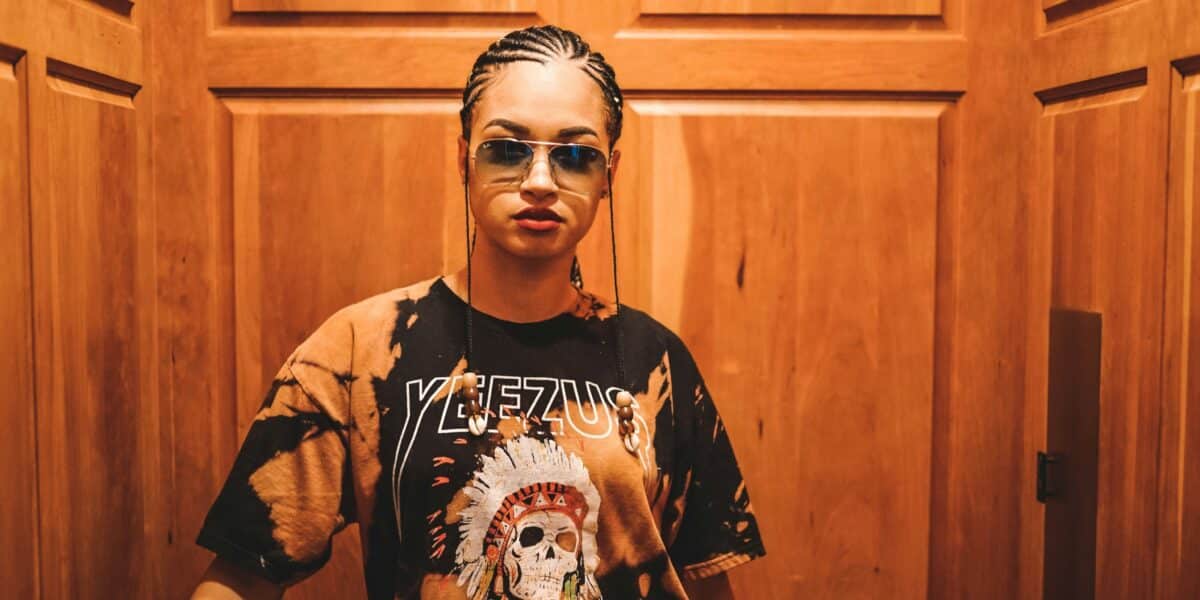
Hey fashionistas and trendsetters! Get ready to dive deep into the world of fashion subcultures, where individuality, rebellion, and self-expression reign supreme. From the edgy styles of punk to the dark aesthetic of goth to the urban vibes of hip-hop, subcultures have long been influencing mainstream fashion and shaping the way we dress. So, grab your combat boots, fishnet stockings, and oversized hoodies, as we take a closer look at the fascinating world of fashion subcultures!

Punk Fashion: Anarchy and DIY Attitude

Let’s start with punk fashion, shall we? Originating in the 1970s as a rebellious response to mainstream culture, punk fashion is characterized by its edgy, DIY aesthetic and anti-establishment attitude. Think ripped clothing, safety pins, leather jackets, and Mohawk hairstyles—all worn with a healthy dose of defiance and attitude.

Punk fashion is all about breaking the rules and embracing individuality, with no two punks looking exactly alike. Whether you’re rocking a studded leather vest or customizing your denim jacket with patches and pins, punk style is all about expressing yourself and rejecting conformity.

Goth Fashion: Embracing the Dark Side

Next up, we have goth fashion—a subculture known for its dark, dramatic aesthetic and love of all things macabre. Inspired by Victorian mourning attire, goth fashion is characterized by its black clothing, pale makeup, and elaborate accessories.

From flowing velvet gowns to lace-up corsets to platform boots, goth fashion is all about embracing the darker side of life and celebrating the beauty of the macabre. Whether you’re channeling a Victorian vampire or a modern-day witch, goth style is all about creating a sense of mystery and allure.

Hip-Hop Fashion: From the Streets to the Catwalk

Moving on to hip-hop fashion, we enter the world of urban street style and self-expression. Born out of the inner cities of New York in the 1970s, hip-hop fashion is characterized by its bold colors, oversized silhouettes, and flashy accessories.

From tracksuits and sneakers to gold chains and baseball caps, hip-hop fashion is all about making a statement and representing your roots. Whether you’re rocking a hoodie and jeans or a designer tracksuit and sneakers, hip-hop style is all about embracing your individuality and celebrating your culture.

Of course, punk, goth, and hip-hop are just a few examples of the many fashion subcultures that exist today. From the colorful and playful style of kawaii fashion to the androgynous and avant-garde looks of the queer community to the eco-conscious and sustainable ethos of the slow fashion movement, fashion subcultures come in all shapes, sizes, and styles.

What unites these diverse subcultures is a shared commitment to self-expression, creativity, and individuality. Whether you’re a punk rocker, a goth queen, a hip-hop aficionado, or a fashionista of any other persuasion, there’s a subculture out there for you to explore and embrace.

Celebrating Fashion Subcultures and Self-Expression

Fashion subcultures play a vital role in shaping the ever-evolving landscape of style and self-expression. From punk to goth to hip-hop and beyond, these subcultures offer a platform for individuals to express their identities, challenge societal norms, and celebrate their unique perspectives on fashion and culture.

So, whether you’re rocking a leather jacket and combat boots, a flowing black gown and fishnet stockings, or a tracksuit and sneakers, remember that fashion is about more than just clothes—it’s about expressing who you are and embracing your individuality in all its forms. So go ahead, dare to be different, and let your style speak for itself!

Exploring the Allure of 80s Nostalgia in Film: Why the 1980s Have Become a Popular Theme in Modern Cinema

In recent years, there has been a resurgence of interest in the 1980s, with filmmakers embracing the era’s iconic style, music, and pop culture in their films. From blockbuster action movies to coming-of-age comedies, the 80s have become a popular theme in modern cinema. In this article, we’ll delve into why the 1980s have captured the imagination of filmmakers and audiences alike, and how this nostalgia-driven trend has influenced contemporary storytelling.

Nostalgia for a Simpler Time

One of the primary reasons for the popularity of 80s themes in film is nostalgia. For many people, the 1980s evoke memories of a simpler time, characterized by neon colors, arcade games, and iconic fashion trends. By setting their films in the 80s or incorporating elements of 80s culture into their stories, filmmakers tap into this collective nostalgia, transporting audiences back to a bygone era of innocence and optimism.

Iconic Music and Soundtracks

The 1980s were known for their iconic music, with genres like pop, rock, and new wave dominating the airwaves. Many classic songs from the 80s have become synonymous with the era and evoke strong emotions and memories for listeners. By featuring these songs in their soundtracks, filmmakers can enhance the nostalgic appeal of their films and create an immersive audio-visual experience that resonates with audiences.

Retro Aesthetics and Visual Style

The 1980s were also known for their distinct visual style, characterized by bold colors, geometric shapes, and futuristic designs. Filmmakers often incorporate these retro aesthetics into their films, using neon lights, pixel art, and VHS-inspired graphics to evoke the look and feel of the 80s. This visual homage to the era adds an extra layer of authenticity and nostalgia to the film, immersing viewers in the world of the story and enhancing their enjoyment of the viewing experience.

Cultural and Historical Significance

In addition to their nostalgic appeal, the 1980s were a time of significant cultural and historical change. From the rise of technology and the birth of the internet to the fall of the Berlin Wall and the end of the Cold War, the 80s were a decade of rapid transformation and upheaval. Filmmakers often draw inspiration from these historical events, using them as a backdrop for their stories and exploring themes of politics, society, and identity in the context of the era.

Timeless Themes and Archetypes

Despite being set in the past, many films with 80s themes explore timeless themes and archetypes that resonate with audiences of all ages. Whether it’s the classic underdog story, the epic quest for redemption, or the eternal struggle between good and evil, these universal themes are as relevant today as they were in the 1980s. By tapping into these timeless motifs, filmmakers can create stories that transcend generational boundaries and resonate with viewers on a deeper level.

Influence of 80s Cinema

The 1980s were also a golden age for cinema, with the rise of blockbuster franchises, iconic directors, and groundbreaking special effects. Many filmmakers today grew up watching 80s classics like “Back to the Future,” “Ghostbusters,” and “The Breakfast Club,” and they often pay homage to these films in their own work. By referencing and remixing the tropes and conventions of 80s cinema, filmmakers can create a sense of intertextuality and nostalgia that appeals to fans of the original films.

Escapism and Fantasy

In today’s fast-paced and uncertain world, many people seek escapism and fantasy in the movies they watch. The 1980s, with their larger-than-life characters, epic adventures, and fantastical worlds, offer the perfect backdrop for escapist entertainment. By transporting viewers to a time when anything seemed possible, filmmakers can provide a much-needed dose of nostalgia and optimism in their films, allowing audiences to temporarily escape from the pressures of the present and immerse themselves in a world of imagination and wonder.

An Iconic Era Rich with Stories

The 1980s have become a popular theme in modern cinema due to their nostalgic appeal, iconic music and visuals, cultural significance, timeless themes, influence on contemporary filmmakers, and ability to provide escapism and fantasy. Whether it’s the neon-lit streets of a cyberpunk metropolis, the retro-futuristic landscapes of a sci-fi epic, or the coming-of-age adventures of a group of misfit teenagers, the 80s continue to captivate audiences and inspire filmmakers to explore the magic and wonder of this iconic era in their stories. As long as there are filmmakers and audiences who yearn for the nostalgia of the past, the 1980s will remain a timeless and beloved theme in modern cinema.

Exploring Cross-Cultural Singing Techniques: How Global Traditions Shape Music

Singing is a universal form of expression, but the techniques and traditions behind it vary widely across cultures. From the throat singing of Mongolia to the flamenco cante of Spain, each culture has developed unique vocal styles that reflect its history, environment, and values. These cross-cultural singing techniques not only enrich the musical heritage of their regions but also influence global music styles, creating a rich tapestry of sound that connects people around the world. This article explores some of the most fascinating singing techniques from different cultures and examines how they have shaped the global music landscape.

One of the most distinctive singing techniques is throat singing, practiced by the Tuvan people of Siberia and Mongolia. This style involves producing multiple pitches simultaneously, creating a deep, resonant sound that mimics the natural environment, such as the wind or flowing water. Throat singing requires precise control of the vocal cords, throat, and mouth, and it is often used in spiritual and meditative practices. In recent years, this technique has gained international attention, influencing genres like ambient and experimental music.

Another unique tradition is flamenco cante, the vocal style of flamenco music from Spain. Flamenco cante is characterized by its emotional intensity, rhythmic complexity, and use of microtonal scales. Singers often convey deep feelings of love, pain, and longing, reflecting the cultural history of the Romani people in Andalusia. The raw, passionate delivery of flamenco cante has inspired artists in genres ranging from jazz to pop, showcasing its universal appeal.

In West Africa, call-and-response singing is a central element of many musical traditions. This technique involves a lead singer delivering a line or phrase, which is then answered by a chorus or group. Call-and-response singing is deeply rooted in communal activities, such as work, worship, and celebration, and it emphasizes the connection between the individual and the group. This technique has had a profound influence on global music, particularly in genres like blues, gospel, and hip-hop, where the interplay between lead and backing vocals is a key feature.

India’s classical music tradition includes Carnatic and Hindustani singing, both of which are known for their intricate melodies and improvisational elements. Carnatic singing, from South India, emphasizes precise pitch control and complex rhythmic patterns, while Hindustani singing, from North India, focuses on emotional expression and the exploration of ragas, or melodic frameworks. These traditions have influenced not only Indian music but also global genres like jazz and world music, where improvisation and melodic complexity are highly valued.

In Japan, min’yō is a traditional form of folk singing that reflects the country’s regional diversity. Min’yō songs often tell stories of daily life, nature, and historical events, and they are performed with a distinctive vocal style that includes subtle ornamentation and a focus on natural phrasing. The simplicity and authenticity of min’yō have inspired artists in genres like folk and indie music, who appreciate its connection to cultural roots and storytelling.

The overtone singing of Central Asia, particularly in Mongolia and Tuva, is another fascinating technique. Similar to throat singingovertone singing involves producing multiple pitches at once, but it focuses on amplifying the natural overtones of the voice. This creates a haunting, ethereal sound that has captivated audiences worldwide and influenced genres like new age and experimental music.

In the Middle East, maqam singing is a cornerstone of traditional music. Maqam refers to a system of melodic modes, each with its own emotional and cultural significance. Singers use intricate ornamentation and microtonal intervals to bring these modes to life, creating a rich and expressive sound. The influence of maqam singing can be heard in genres like classical, jazz, and even electronic music, where its complex melodies and emotional depth have left a lasting impression.

In the Americas, indigenous singing traditions like the Inuit throat singing of the Arctic and the yaokwa songs of the Enawenê-Nawê people in Brazil highlight the diversity of vocal techniques. Inuit throat singing is a playful, rhythmic duet between two women, while yaokwa songs are part of a ceremonial ritual that connects the community with the spiritual world. These traditions remind us of the deep cultural and spiritual significance of singing in indigenous cultures.

The influence of these cross-cultural singing techniques on global music cannot be overstated. Artists around the world have drawn inspiration from these traditions, blending them with their own styles to create something entirely new. For example, the use of call-and-response in African-American spirituals laid the foundation for gospel music, which in turn influenced rock and roll and soul. Similarly, the microtonal scales of maqam singing have found their way into contemporary classical and world music compositions.

Learning and appreciating these singing techniques can also foster cultural understanding and connection. By exploring the vocal traditions of different cultures, singers and listeners alike can gain a deeper appreciation for the diversity of human expression. This cross-cultural exchange enriches the global music scene, creating opportunities for collaboration and innovation.

Cross-cultural singing techniques offer a window into the rich musical heritage of different cultures. From the throat singing of Mongolia to the flamenco cante of Spain, these traditions showcase the incredible diversity of vocal expression. They have also played a significant role in shaping global music styles, influencing genres and artists around the world. By exploring and celebrating these techniques, we can deepen our understanding of music as a universal language that connects us all.

The next time someone listens to a song, they might consider the cultural roots of the vocal techniques being used. Whether it’s the haunting overtones of throat singing or the emotional intensity of flamenco cante, these traditions remind us of the power of music to transcend borders and bring people together.

Exploring Celebrity Family Dynamics and Relationships

The Spotlight on Celebrity Families

Behind the glitz and glamour of the spotlight, celebrities lead complex lives filled with the joys and challenges of family dynamics and relationships. From high-profile marriages to close-knit sibling bonds, celebrity families often captivate the public’s attention with their unique dynamics and experiences. In this article, we’ll explore the fascinating world of celebrity family dynamics and relationships, shedding light on the joys, struggles, and enduring bonds that unite these famous clans.

Celebrity families are under constant scrutiny, with every aspect of their lives—from births and weddings to divorces and feuds—making headlines in the media. Despite the pressures of fame, many celebrity families strive to maintain a sense of normalcy and privacy, cherishing their time together and prioritizing the well-being of their loved ones above all else.

Multigenerational Legacies

In many cases, celebrity families boast multigenerational legacies, with talent and fame passed down from one generation to the next. Whether it’s the Barrymores in acting, the Coppolas in filmmaking, or the Kardashians in reality television, these dynasties exemplify the enduring power of talent, ambition, and creativity within families.

Sibling Bonds and Rivalries

Sibling relationships play a central role in celebrity families, with bonds forged through shared experiences, triumphs, and challenges. While some celebrity siblings enjoy close, supportive relationships, others grapple with rivalry, jealousy, and competition in the spotlight. Despite their differences, sibling bonds often endure, providing a source of strength and solidarity in the face of adversity.

Marriages in the Limelight

Celebrity marriages are subject to intense scrutiny, with every aspect of the relationship—from courtship and proposal to vows and anniversaries—played out in the public eye. While some celebrity marriages stand the test of time, others succumb to the pressures of fame, leading to highly publicized divorces and separations. Despite the challenges, many celebrity couples find ways to navigate the ups and downs of marriage, maintaining a strong and resilient bond amidst the glare of the spotlight.

Parenting in the Public Eye

Raising children in the spotlight presents unique challenges for celebrity parents, who must balance the demands of their careers with the responsibilities of parenthood. From managing paparazzi attention to shielding their children from negative media coverage, celebrity parents face constant scrutiny and judgment. Despite the challenges, many celebrity parents strive to provide their children with a sense of normalcy and stability, prioritizing their well-being and happiness above all else.

Coping with Loss and Grief

Like all families, celebrity families experience loss and grief, often in the glare of the public eye. Whether it’s the death of a beloved family member or the end of a long-standing relationship, celebrity families must navigate the complex emotions of grief while managing their public image and obligations. Despite the challenges, many celebrity families find strength and solace in the support of their loved ones and the outpouring of love and sympathy from fans around the world.

In the digital age, celebrity families have new avenues for sharing their lives and connecting with fans, from social media posts and reality television shows to personal blogs and vlogs. While these platforms offer opportunities for self-expression and engagement, they also raise questions about privacy, boundaries, and the impact of fame on family dynamics. Despite the challenges, many celebrity families embrace the digital age as a way to connect with their fans and share their experiences in a more authentic and meaningful way.

Celebrity family dynamics and relationships offer a fascinating glimpse into the joys, struggles, and enduring bonds that unite these famous clans. From multigenerational legacies and sibling bonds to marriages in the limelight and parenting in the public eye, celebrity families navigate the complexities of fame with grace, resilience, and love. While their lives may seem glamorous and unattainable, the challenges and triumphs of celebrity families serve as a reminder of the universal values of love, loyalty, and connection that bind us all together, regardless of fame or fortune.

Exploring Celebrity Vacation Homes and Getaways

Luxurious Retreats Around the World

Celebrities are known for their extravagant lifestyles, and one aspect of this is their luxurious vacation homes and getaways. From beachfront mansions to secluded mountain retreats, celebrities spare no expense when it comes to creating the perfect oasis for relaxation and rejuvenation. In this article, we’ll take a closer look at some of the most impressive celebrity vacation homes and getaways, providing a glimpse into the lavish lifestyles of the rich and famous.

Celebrities often own multiple properties around the world, allowing them to escape the hustle and bustle of everyday life and unwind in style. Some of the most sought-after destinations for celebrity vacation homes include:

  • Malibu, California: Known for its stunning beaches and ocean views, Malibu is a favorite destination for celebrities seeking a serene escape from the spotlight. Many celebrities own beachfront properties in Malibu, where they can relax and soak up the California sun.
  • Aspen, Colorado: For those who prefer the tranquility of the mountains, Aspen is a popular destination for celebrity vacation homes. With its picturesque scenery and world-class skiing, Aspen offers celebrities the perfect opportunity to unwind in the great outdoors.
  • The Hamptons, New York: Located on Long Island’s East End, the Hamptons are a playground for the rich and famous, offering pristine beaches, upscale dining, and exclusive nightlife. Many celebrities own sprawling estates in the Hamptons, where they can enjoy privacy and luxury during the summer months.
  • Saint-Tropez, France: Known for its glamorous nightlife and Mediterranean charm, Saint-Tropez is a favorite destination for celebrities looking to escape to the French Riviera. Many celebrities own vacation villas in Saint-Tropez, where they can enjoy the sun, sea, and chic lifestyle of this iconic destination.

Lavish Amenities and Features

Celebrity vacation homes are known for their extravagant amenities and features, designed to provide the ultimate in comfort and luxury. Some common features of celebrity vacation homes include:

  • Infinity pools: Many celebrity vacation homes boast infinity pools with stunning views of the ocean or mountains, providing the perfect spot for relaxation and entertainment.
  • Home theaters: For movie-loving celebrities, home theaters are a must-have feature in their vacation homes. These state-of-the-art entertainment spaces are equipped with plush seating, surround sound systems, and giant screens for the ultimate cinematic experience.
  • Spa-like bathrooms: Celebrity vacation homes often feature spa-like bathrooms with luxurious amenities such as Jacuzzi tubs, steam showers, and heated floors. These opulent retreats provide a tranquil escape from the stresses of everyday life.
  • Gourmet kitchens: Many celebrity vacation homes are equipped with gourmet kitchens where celebrities can indulge their culinary passions. These spacious kitchens feature top-of-the-line appliances, marble countertops, and custom cabinetry for a truly luxurious cooking experience.

Privacy and Security

Privacy and security are top priorities for celebrities when it comes to their vacation homes. Many celebrities choose secluded locations or gated communities for their vacation properties to ensure maximum privacy and security. In addition, celebrity vacation homes are often equipped with state-of-the-art security systems, including surveillance cameras, alarm systems, and private security staff, to protect against intruders and unwanted attention.

Renting Celebrity Vacation Homes

While most celebrity vacation homes are strictly private residences, some celebrities choose to rent out their properties when they’re not in use. Renting a celebrity vacation home can be a once-in-a-lifetime experience, allowing guests to live like a star while enjoying all the amenities and luxuries of a celebrity-owned property. However, renting a celebrity vacation home can be pricey, with rental rates often reaching tens of thousands of dollars per night.

Celebrity vacation homes and getaways offer a glimpse into the lavish lifestyles of the rich and famous, with luxurious amenities, stunning locations, and unparalleled privacy. Whether it’s a beachfront mansion in Malibu, a mountain retreat in Aspen, or a villa in Saint-Tropez, celebrity vacation homes provide the perfect escape for celebrities looking to unwind and recharge away from the glare of the paparazzi. While most celebrity vacation homes are strictly private residences, some celebrities choose to rent out their properties, giving ordinary people the opportunity to live like a star, if only for a short while.

Explore Your Unique Style: Discovering Your Personal Design Aesthetic

How Can You Develop a Distinctive Style in a Competitive Industry?

Finding and honing your unique design style is a journey that involves exploring techniques, embracing influences, and ultimately discovering what resonates with you. Whether you’re just starting or looking to evolve your approach, developing a personal aesthetic is essential for standing out in a crowded industry. By experimenting with different elements and trusting your instincts, you can create a style that feels authentic and captures your individuality. Here’s how to begin building a distinct aesthetic that reflects who you are as a designer.

Why Is a Unique Style Important?

In today’s competitive design landscape, having a recognizable style can set you apart and make your work memorable. A personal aesthetic not only shows your point of view but also allows potential clients or audiences to connect with your work on a deeper level. When your designs carry a consistent, unique touch, people start to associate your work with a particular feeling or vision, creating lasting impressions and increasing opportunities for growth.

Developing a unique style is about more than just choosing colors or patterns—it’s about expressing your values, personality, and influences. For instance, a designer who values sustainability may incorporate earthy tones, natural textures, or eco-friendly materials, shaping a style that communicates their commitment to the environment. This unique expression not only differentiates them but also attracts like-minded clients and collaborators.

How Can You Begin Developing Your Personal Aesthetic?

The first step in creating a personal style is experimentation. Trying out different techniques and styles can be a great way to understand what speaks to you and what doesn’t. As you explore, keep an open mind—your initial inspirations might lead you in surprising directions. Consider exploring multiple styles, from minimalism to maximalism, or various influences, like vintage aesthetics or futuristic elements, to see which ones naturally resonate.

Observation is also key. Looking at the work of other designers, artists, and creators can provide valuable insights and inspiration. Analyze what aspects of their styles you admire, and think about how those elements might translate into your own work. While it’s essential to remain true to yourself, studying the work of others can spark ideas and help you refine your own preferences.

A practical way to start defining your aesthetic is through mood boards or inspiration collections. Gather visuals that appeal to you, whether it’s colors, textures, or design layouts. Over time, patterns will emerge, highlighting recurring themes or styles that might form the basis of your unique approach. This process helps clarify your vision and serves as a reference point as you continue experimenting.

How Can You Evolve and Stay True to Your Style?

As you progress, it’s essential to strike a balance between refining your style and allowing room for growth. Over time, your preferences and influences may shift, and that’s okay—evolution is part of the journey. Instead of feeling boxed into one approach, stay open to new ideas that resonate with your core aesthetic. The more you embrace experimentation, the more adaptable and resilient your style will become, able to evolve naturally with your experiences and aspirations.

Staying true to your style doesn’t mean rigidly sticking to the same techniques or ideas; it’s about capturing the essence of what makes your work “you.” To keep your style authentic, revisit the elements that initially inspired you. This could be a color palette, a design structure, or even a certain technique that feels genuine to your artistic voice. By grounding yourself in these core elements, you can confidently experiment and expand without losing what makes your style unique.

Finding your unique design aesthetic is a journey of self-discovery and creativity. As you explore, experiment, and grow, remember that your personal style is what makes you stand out. In a world where trends come and go, having an aesthetic that reflects who you are will keep your work both relevant and timeless.

Essential Acting Techniques: Learning the Craft

Think about it: you could say all the right lines in a scene and even manage to stand in the right place, but if you don’t understand what makes your character tick, you’re just a robot reciting a script. That’s where these acting techniques come in. They help you step into a character’s skin – to think their thoughts, feel their emotions, and even move like they would. Forget about yourself for a while and transform into someone completely different.

It’s like that old saying, “There are no small parts, only small actors.” Every role has the potential for depth and complexity. Acting techniques give you the tools to uncover that complexity. Imagine being able to take a character that seems bland on the page and turn them into someone the audience can’t take their eyes off of. You could find the humor in a serious character, the vulnerability in a tough one, and the spark of defiance in someone who seems passive.

Learning these techniques is like turning on a superpower. They make you a more versatile actor – the kind who can handle anything a script throws at you. And honestly, it’s incredibly fun! Slipping into a character, exploring their world, and bringing them to life onstage or on screen… there’s nothing quite like it.

Stanislavski’s System

Stanislavski changed the game. Before him, a lot of acting was exaggerated – big gestures, booming voices, the whole nine yards. But he wanted something real, something that felt like you were watching actual people, not actors pretending. His system was all about the search for truth on stage.

Think of it like this: his techniques help you build your character from the ground up. “Given Circumstances” is like detective work – who is this person, where are they from, what are their relationships, what’s happened in their life? The “Magic If” gets you inside your character’s head. You imagine yourself in their exact situation and let those feelings fuel your performance. And “Emotional Memory”? That’s where you tap into your own experiences to really connect with those big, juicy emotions your character might feel.

Someone in the theater world once said, “The goal of acting is to make the audience forget they’re watching a performance.” That’s the power of Stanislavski’s system – it makes the acting feel so honest and genuine that the audience gets completely swept away in the story.

The Meisner Technique

Meisner was all about stripping away the clutter and getting to the heart of the scene. He didn’t want you in your head, analyzing things to death. Instead, his technique is about being present, connected to your scene partner, and letting things unfold naturally.

The repetition exercises are a big part of this. It seems weird at first – saying the same lines again and again. But it isn’t about memorization. You’re focusing on the other actor, watching for the slightest changes in their voice, their expression. You become so attuned to them that your reactions flow organically, not in a forced or pre-planned way.

This “reacting in the moment” thing is huge in the Meisner technique. It’s easy to fall into the trap of trying to guess what you should say or do next. Meisner wanted actors to ditch that habit completely. He wanted you to trust your instincts, follow your impulses, and let the scene build itself around the honest connection between the actors. As someone once said about the Meisner technique, “It’s less about what you say, and more about how you listen.”

While Stanislavski and Meisner are considered foundational, there’s a whole world of acting techniques waiting to be explored:

  • Method Acting: Pulling from your own life to deeply embody a character (Lee Strasberg is a big name here).
  • Stella Adler: Focused on using imagination to create rich and believable characters.
  • Michael Chekhov: A technique with a strong emphasis on physicality and movement.
  • Practical Aesthetics: A structured, analytical approach to acting developed by David Mamet and William H. Macy.

Which Technique Should I Choose?

The beauty of acting techniques is that they’re all like different tools in your toolbox. Stanislavski’s system might be your hammer, perfect for building a character’s foundation. Meisner’s technique could be your screwdriver, ideal for those moments of raw emotion and connection. But what about when you need a paintbrush to add delicate details, or a saw to tackle a more complex scene? That’s where exploring other techniques comes in.

There’s Method Acting, where you dig deep into your own life experiences to bring truth to your character. Stella Adler’s technique focuses on using your imagination to create rich and believable inner lives for your characters. Michael Chekhov’s approach emphasizes physicality and movement to express emotions and tell the story with your whole body. There’s even Practical Aesthetics, a structured technique all about analyzing the script and finding the specific actions that drive the scene forward.

The more techniques you have in your arsenal, the more adaptable you become as an actor. You can choose the approach that best suits the script, the character, and even the director’s vision. Remember, it’s not about picking just one favorite – it’s about becoming a well-rounded actor who can handle any challenge that comes your way. As that theater publication said, it’s about having the right tools for the job. And with a variety of techniques at your disposal, you’ll be ready to tackle any role that comes your way!

No matter which techniques you choose, remember that mastery takes time and dedication. Here are some tips:

  • Train Regularly: Taking acting classes consistently is key.
  • Observe the World: Watch how people interact, move, and express emotions.
  • Analyze Scripts Deeply: Break down your character – their wants, obstacles, and everything in between.
  • Practice, Practice, Practice: Rehearse on your own, with a scene partner, or with an acting coach for the best results.

Enhancing Your Music Experience: The Impact of Visuals on Audio Content

Music is an art form that transcends mere auditory stimulation; it’s a multi-sensory experience that engages our emotions, memories, and imaginations. While the focus of music is often on the sounds we hear, the role of visuals in shaping our perception and connection with musical content should not be overlooked. In this exploration of the power of visuals in music, we’ll delve deeper into the various ways in which visuals enhance the overall music experience, from album artwork to live performances and everything in between.

1. Album Artwork: Setting the Tone

Album artwork serves as the visual identity of a musical release, providing listeners with a glimpse into the artist’s creative vision and the themes explored within the music. Whether it’s a photograph, illustration, or graphic design, album artwork sets the tone for the listening experience, evoking emotions and expectations before a single note is heard. From the iconic prism on Pink Floyd’s “The Dark Side of the Moon” to the surreal landscapes of Björk’s album covers, album artwork adds depth and context to the music, inviting listeners to embark on a visual journey alongside the auditory one.

2. Music Videos: Bringing Songs to Life

Music videos are a powerful medium for storytelling and visual expression, offering artists the opportunity to bring their songs to life through cinematic narratives, choreography, and visual effects. Music videos not only enhance the listening experience by providing a visual accompaniment to the music but also serve as a platform for artists to showcase their creativity and connect with their audience on a deeper level. Whether it’s the epic storytelling of Michael Jackson’s “Thriller” or the whimsical animation of Gorillaz’s “Clint Eastwood,” music videos have the power to captivate and inspire viewers, elevating the music to new heights of artistic expression.

3. Live Performances: Immersing Audiences in the Moment

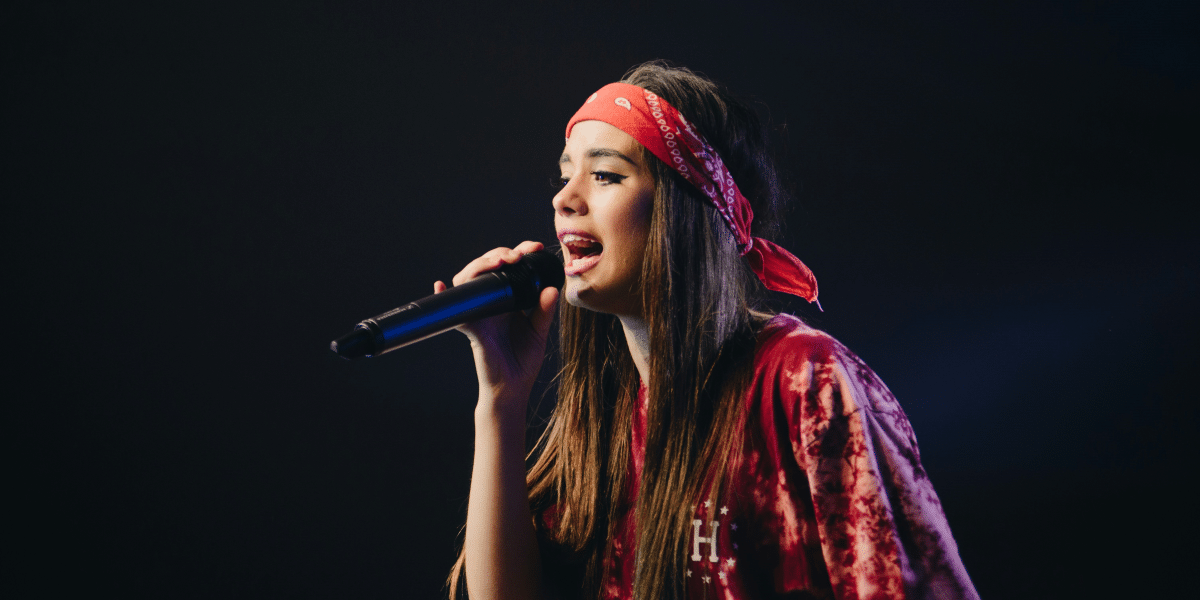
Live performances are where the magic of music truly comes alive, and visuals play a crucial role in enhancing the live music experience. From elaborate stage designs to dynamic lighting effects, visuals create an immersive and captivating atmosphere for concertgoers, amplifying the energy and emotion of the music. Whether it’s the pulsating light show of a rock concert or the intricate visual projections of an electronic music festival, visuals add an extra dimension to live music events, transforming them into unforgettable sensory experiences.

4. Visualizers and Lyric Videos: Engaging with the Music

Visualizers and lyric videos are popular tools used to accompany music releases on digital platforms, providing listeners with interactive and engaging visual content. Visualizers generate mesmerizing graphics that react to the music, offering a dynamic and immersive way to experience the audio waveform. Lyric videos, on the other hand, display the song lyrics in sync with the music, allowing listeners to sing along and engage with the song on a deeper level. Both visualizers and lyric videos enhance the overall music experience, making it more accessible and enjoyable for listeners.

5. Social Media and Streaming Platforms: Discovering New Music

In today’s digital age, social media and streaming platforms have become essential channels for discovering and consuming music, and visuals play a key role in capturing listeners’ attention and enticing them to explore new artists and releases. Platforms like Instagram, TikTok, and YouTube provide artists with opportunities to share visual content with their audience, from cover art and promotional graphics to behind-the-scenes photos and music videos. By incorporating visuals into their social media presence, artists can create a visually cohesive brand identity and increase their visibility and appeal to potential listeners.

6. Visual Storytelling: Adding Depth and Meaning

Beyond album artwork and music videos, visuals can also be used to tell stories and convey emotions in music. Whether it’s through photography, videography, or graphic design, artists have the ability to create visual narratives that complement and enhance the themes and messages of their music. From evocative imagery to symbolic motifs, visual storytelling adds depth and complexity to the music, inviting listeners to engage with it on a deeper level and uncover new layers of meaning with each viewing.

Embracing the Power of Visuals in Music

In summary, visuals play a vital role in enhancing the overall music experience, providing context, emotion, and engagement for listeners. Whether it’s through album artwork, music videos, live performances, or digital content, visuals add an extra dimension to music, making it more immersive, memorable, and meaningful. As technology continues to evolve, artists have more opportunities than ever to incorporate visuals into their music and create unique and impactful experiences for their audience. By embracing the power of visuals, artists can connect with listeners on a deeper level, spark their imaginations, and create music that resonates long after the final note fades away.

Experience the Buffalo Roundup and Arts Festival in South Dakota

Every year, Custer State Park in South Dakota comes alive with one of the most iconic events in the American West—the Buffalo Roundup and Arts Festival. Taking place from September 26-28, this annual event draws visitors from around the country to witness the thrilling spectacle of more than 1,300 buffalo being herded across the park’s rolling plains. Beyond the buffalo, the festival showcases the spirit of the American West through its arts and crafts festival, featuring over 100 vendors displaying unique handmade goods. So, what makes this event such a must-see celebration of Western heritage?

What Happens at the Buffalo Roundup?

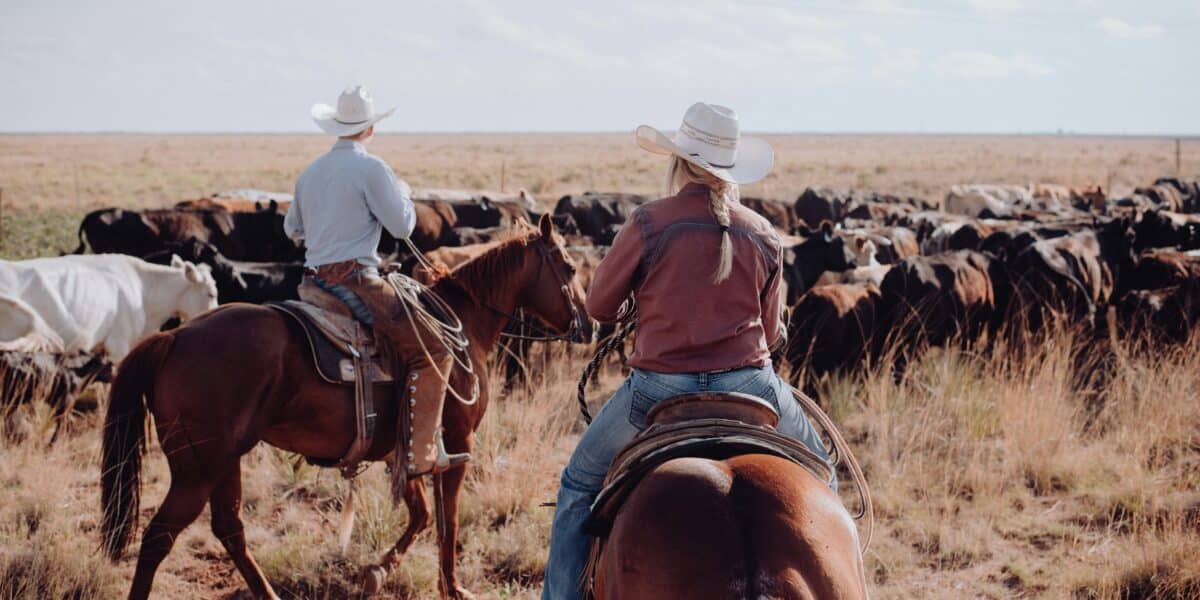
The Buffalo Roundup is the centerpiece of the three-day festival and is unlike any other event in the country. It involves the dramatic herding of around 1,300 buffalo by cowboys and cowgirls on horseback, as well as a few park rangers in trucks. The goal is to gather the herd, a process that not only ensures the health and safety of the animals but also allows park staff to manage the size of the herd to maintain the balance of the park’s ecosystem.

This annual tradition offers spectators a rare glimpse into the West’s ranching heritage, where buffalo once roamed freely across the Great Plains. Visitors can watch from designated viewing areas as the massive herd thunders across the landscape, creating a sight that evokes a time when the buffalo was central to the life and culture of Native American tribes and early settlers.

The Buffalo Roundup is not only a historical and cultural event but also a key part of the park’s conservation efforts. Custer State Park uses the roundup to check the health of the herd, vaccinate the animals, and sell off a portion of the buffalo at an auction to keep the population in balance with the available resources.

Why is the Arts Festival Worth Visiting?

While the Buffalo Roundup is the highlight, the Custer State Park Arts Festival brings an additional layer of excitement to the event. Over 100 artisans from around the region come together to display and sell their handcrafted goods, celebrating the artistry and creativity of the American West.

From pottery and woodworking to jewelry and painting, the festival offers a wide variety of arts and crafts that capture the essence of Western culture. Visitors have the opportunity to browse and purchase unique, handmade items that serve as perfect souvenirs or gifts. Many of the vendors are inspired by the landscape and history of the region, so the goods often reflect the spirit of the Great Plains and the beauty of South Dakota.

Live Western music, dancing, and local food vendors complete the experience, making the arts festival a true celebration of South Dakota’s cultural heritage. Whether you’re interested in taking home a piece of local art or simply enjoying the festive atmosphere, the Arts Festival is an essential part of the Buffalo Roundup experience.

What Should Visitors Expect at the Event?

The Buffalo Roundup and Arts Festival is an event that offers something for everyone. Whether you’re there to witness the awe-inspiring sight of the buffalo being herded or to enjoy the creativity and craftsmanship of the arts festival, the event promises an unforgettable experience.

Spectators are advised to arrive early on the day of the roundup, as the best viewing spots fill up quickly. Parking is available, but it can be a bit of a walk to the designated viewing areas, so comfortable shoes and warm clothing are recommended—especially since South Dakota mornings can be chilly in late September.

For those interested in photography, the Buffalo Roundup provides incredible opportunities to capture stunning images of the herd against the backdrop of the Custer State Park landscape. But beyond the visuals, the energy and excitement in the air as the herd comes into view are what make the experience truly special.

While the roundup is a thrilling event, the arts festival adds a relaxed, family-friendly atmosphere, giving visitors time to wander through the booths, listen to live music, and enjoy the flavors of the region. It’s a chance to immerse yourself in the traditions and culture of the American West while appreciating the incredible beauty of the landscape.

The Buffalo Roundup and Arts Festival in Custer State Park offers a unique opportunity to connect with the heritage of the American West. From the heart-pounding excitement of the buffalo roundup to the charm and creativity of the arts festival, the event captures the essence of South Dakota’s cultural legacy. Whether you’re a history enthusiast, a nature lover, or simply looking for an unforgettable experience, this celebration is one that should not be missed. As the buffalo thunder across the plains and the artisans share their craft, visitors leave with a sense of awe and a deeper appreciation for the spirit of the West.