Celebrity News

Floral Prints Blossom with Tech: How AI and 3D Printing Transform the World of Fabric Design

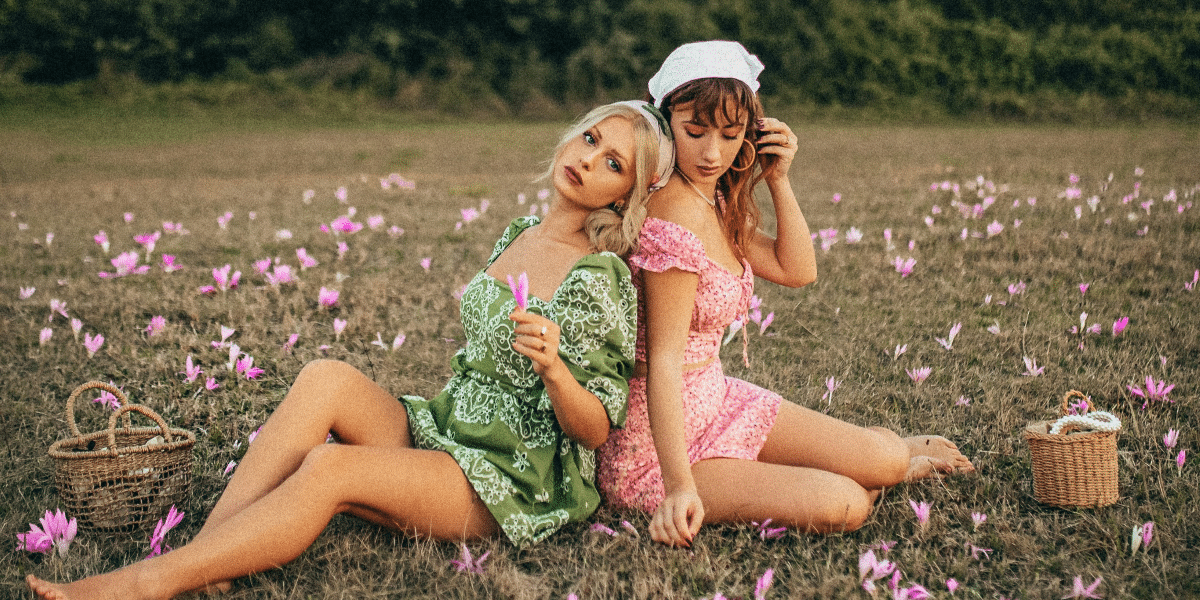
Floral prints, a timeless design element, are undergoing a groundbreaking transformation at the intersection of technology and creativity. Artificial intelligence (AI) is redefining how patterns are generated, while 3D printing brings astonishing textural depth to fabrics. This technological revolution is pushing the boundaries of floral print design, leading to fresh possibilities of expression in fashion, interior design, and beyond.

AI algorithms have the potential to revolutionize floral print creation. Designers can input parameters like color palette, desired level of abstraction, and historical style references. AI tools then generate unique and aesthetically pleasing patterns that would be difficult or time-consuming to conceive using traditional methods. “AI assists designers by exploring vast creative territories, offering novel perspectives that expand the possibilities of floral design,” observes a textile design expert.

This technology frees designers from limitations, enabling them to create intricate, personalized floral prints with unprecedented efficiency. AI-powered tools can generate a multitude of options, allowing designers to fine-tune their visions and create truly distinctive patterns. The result is a new wave of floral designs that push the limits of artistic expression.

3D Printing: Adding Texture and Dimension

While AI reimagines floral design at the conceptual level, 3D printing allows those designs to take on a tangible form with striking dimensionality. 3D printers can deposit special materials directly onto fabrics, creating raised floral textures and embellishments that were once impossible to achieve using traditional textile manufacturing techniques.

Imagine floral designs that literally stand out in relief against the fabric – delicate petals delicately raised, intricate vines intertwining in a way that can be felt as well as seen. “These tactile elements elevate floral prints into a multi-sensory experience,” says a fashion industry trend forecaster. 3D printing allows designers to create a whole new dimension of haptic appeal in fabrics, blurring the line between visual art and sculpture.

The applications for AI-designed and 3D printed floral fabrics are vast. In fashion, designers can create garments with stunning dimensionality through raised prints that accentuate silhouettes and add captivating detail. Imagine runway pieces adorned with intricately embossed floral brocades or sweaters with blossoming textured floral effects.

Interior design also stands to benefit from these innovations. Upholstery, drapery, and decorative accents can become works of art as fabrics incorporate elaborate 3D printed floral textures. These embellishments can add visual interest and tactile richness to interior environments, inviting interaction and engagement with everyday objects.

The integration of AI and 3D printing into floral design has only just begun. As technology continues to advance, we can expect even more astonishing and innovative textile creations. The fusion of traditional floral aesthetics with cutting-edge technologies unlocks a new era of expressive possibilities within the world of fabric design.
Fashion: Your Style, Your Identity, Your Expression

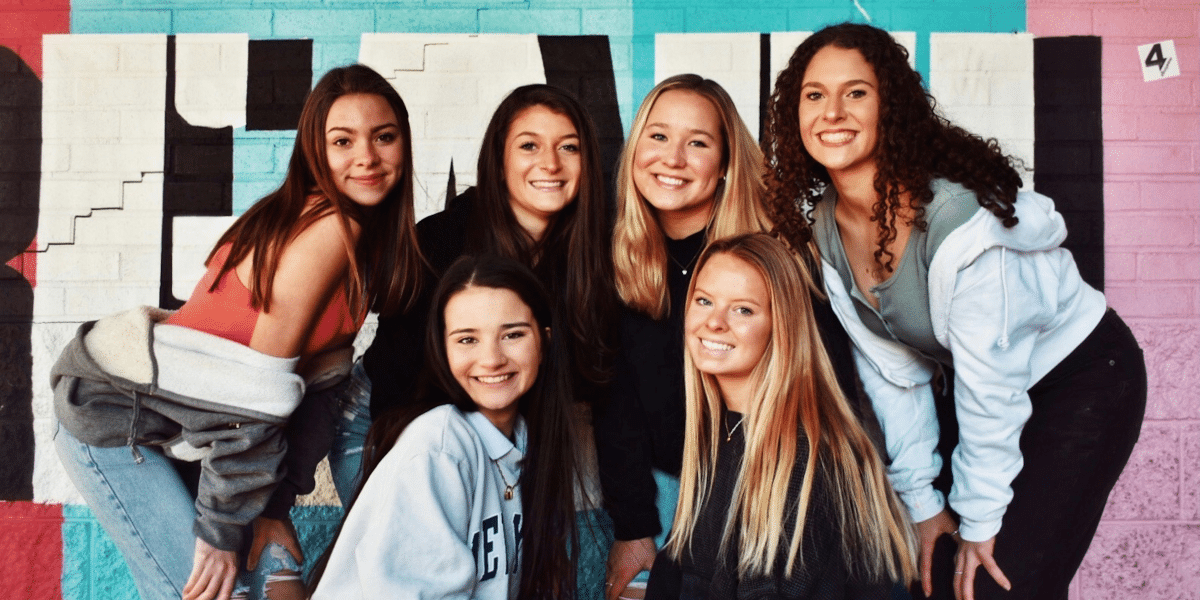
Hey there, fashionistas and trendsetters! Are you ready to explore the exciting world of fashion and its role in expressing your unique identity? From the clothes we wear to the accessories we choose, fashion plays a crucial role in how we present ourselves to the world and express our individuality. So, grab your favorite outfit and let’s dive into the fascinating intersection of fashion, self-expression, and identity!

Fashion as a Form of Self-Expression

First things first, let’s talk about what fashion really is. At its core, fashion is more than just clothes—it’s a form of self-expression, a way for us to communicate who we are and how we want to be perceived by others. Whether we’re rocking a bold statement piece or opting for a more understated look, the clothes we choose to wear send a powerful message about our personality, tastes, and values.

Think about it: When you put on your favorite outfit, how does it make you feel? Confident? Powerful? Unique? Fashion has the incredible ability to uplift our mood and boost our confidence, allowing us to express ourselves authentically and unapologetically.

Finding Your Signature Style

One of the most exciting aspects of fashion is the opportunity to experiment and discover your own signature style. Whether you’re drawn to sleek and sophisticated looks, edgy and avant-garde ensembles, or laid-back and casual vibes, there’s no right or wrong way to express yourself through fashion.

Your signature style is a reflection of your personality, interests, and experiences, so don’t be afraid to embrace what makes you unique. Mix and match different pieces, play with colors and patterns, and don’t be afraid to step outside of your comfort zone. After all, fashion is all about having fun and expressing yourself in a way that feels true to who you are.

Fashion and Identity: Reflecting Who You Are

Fashion also plays a crucial role in shaping our sense of identity and belonging. The clothes we choose to wear can be deeply intertwined with our cultural background, social identity, and personal values, serving as a visual representation of our identity and heritage.

For example, traditional clothing and cultural attire are often worn as a way to honor and celebrate one’s cultural heritage, connecting individuals to their roots and fostering a sense of pride and belonging within their community. Similarly, subcultures and fashion tribes use clothing as a means of self-identification, signaling membership to a particular group or community with shared interests and values.

Fashion and Empowerment: Owning Your Narrative

One of the most empowering aspects of fashion is the way it allows us to take ownership of our narrative and define ourselves on our own terms. In a world that often imposes narrow standards of beauty and conformity, fashion gives us the power to challenge those norms and celebrate our individuality.

Whether you’re embracing your curves, defying gender norms, or expressing your creativity through your style, fashion empowers us to embrace our authentic selves and reject societal expectations. By choosing to wear what makes us feel good and confident, we assert our agency and reclaim control over how we present ourselves to the world.

Fashion is so much more than just clothes—it’s a powerful form of self-expression, a reflection of our identity, and a tool for empowerment. Whether you’re experimenting with new trends, embracing your cultural heritage, or challenging societal norms, fashion gives us the freedom to express ourselves and celebrate what makes us unique.

So, the next time you’re getting dressed in the morning, remember that fashion is your canvas, and you are the artist. Embrace your individuality, own your style, and let your fashion choices speak volumes about who you are and what you stand for. After all, fashion is not just about what you wear—it’s about how you wear it and the story you choose to tell.

Find the Perfect Dance Intensive to Take Your Skills to the Next Level

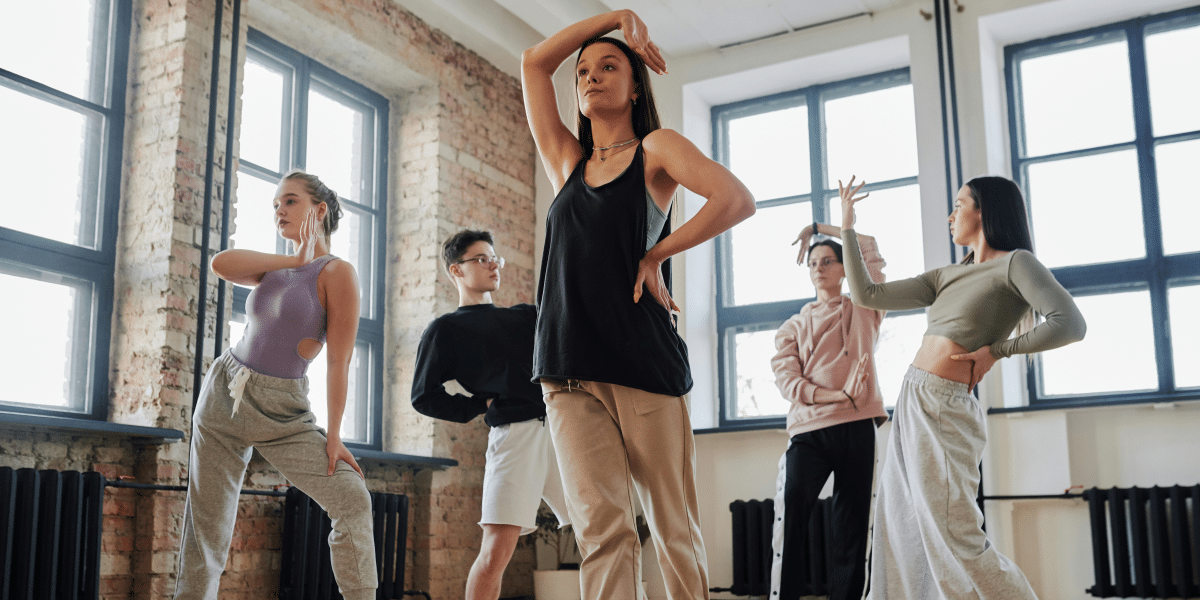
Whether you’re a seasoned dancer looking to refine your craft or eager to explore new styles, technique-focused intensives offer immersive experiences to boost your artistry and physical skill.

From the precision of ballet to the expressive fluidity of contemporary dance, honing strong technique is the foundation for a successful dance career. Dance intensives provide concentrated periods of training specifically designed to push dancers out of their comfort zones and accelerate their growth.

What is a Dance Intensive?

Think of an intensive as a bootcamp for dancers:

  • Immersive Experience: Intensives typically last from a few days to several weeks, with daily multi-hour classes focusing on specific techniques.
  • Beyond Studio Classes: Many intensives include supplementary classes in improvisation, injury prevention, or other dance-related subjects for all-around development.
  • Exposure to Renowned Teachers: Intensives often attract renowned guest faculty, giving you access to industry professionals and diverse teaching styles.

Intensives: Who Are They For?

Dancers of various levels can benefit from intensives:

  • Pre-Professional Dancers: Intensives provide rigorous training to help dancers prepare for the demands of a professional company or conservatory program. They offer a taste of the dedication and focus required at the highest levels of the dance world.
  • Seasoned Professionals: Even established dancers use intensives to maintain their technique, work with new choreographers, or revitalize their creative practice. It prevents complacency and provides a space to experiment outside the constraints of a dancer’s regular company work.
  • Cross-Training Enthusiasts: Dancers wishing to expand their stylistic range can try intensives focusing on unfamiliar dance forms. A ballet dancer might take a contemporary intensive to gain fluidity, or a hip-hop dancer could benefit from the grounding and precision of a ballet intensive.

Choosing the Right Intensive: Key Considerations

With so many options, selecting an intensive requires thoughtful research:

  • Dance Style: Are you drawn to ballet, contemporary, jazz, hip-hop, or another specific style? Choose an intensive with a strong emphasis on your area of interest.
  • Faculty: Will you be learning from esteemed teachers within your chosen style? Their experience and reputation are significant factors. Research their backgrounds and if their approach resonates with your learning style.
  • Level: Be honest about your current skill set. Select an intensive that matches your level to avoid feeling either overwhelmed or under-challenged. Many intensives clearly state their target level (beginning, intermediate, advanced).
  • Location:** Intensives are offered across the US and internationally. Factor in travel costs and if you want a local or destination experience. Destination intensives add the excitement of exploring a new place while focusing on your growth.

Benefits Beyond the Barre

Technique intensives offer advantages dancers may not find in regular classes:

  • Accelerated Progress: The focused, repetitive nature of intensives allows you to see substantial improvement in a shorter timeframe than weekly classes. The daily reinforcement cements proper technique into your muscle memory.
  • Breaking Bad Habits: Intensives help identify and correct ingrained technical flaws that might otherwise go unnoticed. Experienced instructors offer fresh eyes and can pinpoint areas where you may have developed inefficient movement patterns.
  • Networking: Meet dancers from diverse backgrounds, potentially forging friendships and professional connections that last beyond the intensive. The dance world is built on relationships, and intensives provide concentrated networking opportunities.
  • Mental Fortitude: The intensity challenges you mentally as much as physically, building the resilience required for a dance career. You learn to push through fatigue and stay focused amidst the demanding schedule.

Preparing for an Intensive: What to Expect

Dance intensives are rewarding but demanding experiences. Here’s how to prepare:

  • Physical Conditioning: Arrive in good shape. Intensives aren’t the place to get back into peak condition, as they push you from where you already are. Regular exercise leading up to the intensive is essential.
  • Open Mind: Be ready to step outside your comfort zone, absorb new approaches, and potentially receive critical feedback designed to help you grow.
  • Invest in Recovery: Intensives take a toll on the body. Prioritize sleep, nutrition, and self-care tools like foam rolling and massage to avoid burnout and reduce injury risk.

Intensives as Stepping Stones

The experience gained in dance intensives can open doors:

  • Summer Programs: Strong performance in an intensive can lead to invitations to competitive summer programs with prestigious dance companies.
  • Awareness of Your Potential: Intensives often serve as a reality check, helping you see whether you have the dedication and potential for a professional path.
  • Renewed Passion: Even if an intensive confirms a professional career isn’t your goal, it can reignite your love for dance itself.

Fashion PR and Media Relations: Building Relationships with Press and Influencers in the Fashion Industry

What is Fashion PR?

Hey there, fashion mavens! Ever wonder how your favorite brands get featured in magazines, on TV, or all over social media? Well, it’s all thanks to the magic of fashion PR and media relations! In this article, we’re going to spill the tea on how brands build relationships with the press and influencers to get their products seen and heard. So grab your coffee and let’s dive into the glamorous world of fashion PR!

Fashion PR, short for public relations, is all about managing the image and reputation of a fashion brand or designer. It’s the job of PR professionals to get their clients noticed by the right people – think editors, stylists, bloggers, and celebrities – and to create buzz and excitement around their collections. From sending out press releases to organizing fashion shows and events, fashion PR is all about getting the word out and making sure the brand is seen in the best possible light.

Building Relationships with the Press

One of the key responsibilities of a fashion PR team is to build and nurture relationships with members of the press. This includes editors, writers, and journalists who cover fashion for magazines, newspapers, websites, and TV shows. PR professionals work hard to keep these contacts updated on the latest collections, trends, and news from the brand, sending them press releases, lookbooks, and samples to review and feature in their publications. It’s all about keeping the brand top of mind and building trust and credibility with the press.

In addition to traditional media outlets, fashion brands also collaborate with influencers – individuals who have a large and engaged following on social media – to help spread the word about their products. Influencers can include fashion bloggers, Instagrammers, YouTubers, and celebrities who have a strong presence online and can reach a wide audience. Brands often send influencers free products or pay them to create sponsored content featuring their clothing or accessories, leveraging their influence to drive sales and increase brand awareness.

Creating Buzz with Events and Fashion Shows

Another important aspect of fashion PR is organizing events and fashion shows to showcase the brand’s latest collections. These events are not only a chance for editors, buyers, and influencers to see the clothes up close and personal but also an opportunity for the brand to generate excitement and buzz around its designs. From intimate showroom appointments to star-studded runway presentations during Fashion Week, fashion PR professionals pull out all the stops to ensure their events are talked about and covered by the media.

While fashion PR is mostly about promoting the positive aspects of a brand, sometimes things don’t go as planned, and PR professionals need to step in and manage a crisis. Whether it’s a negative review, a social media scandal, or a product recall, PR teams are responsible for handling the situation quickly and effectively, minimizing damage to the brand’s reputation and ensuring that the issue is resolved as smoothly as possible. It’s all about staying calm under pressure and putting out fires before they spread.

Fashion PR and media relations play a crucial role in shaping the image and success of a fashion brand. By building relationships with the press, working with influencers, organizing events, and handling crisis communication, PR professionals help brands get their message out to the world and stay relevant in a crowded and competitive industry. So the next time you see your favorite brand featured in a magazine or on Instagram, you’ll know that it’s all thanks to the hard work and savvy strategies of the fashion PR team behind the scenes.

Fashion Extremes: When Red Carpets Turn into Red Alerts

The red carpet. It’s a land of glittering gowns, sharp suits, and enough blinding smiles to light up a small town. A-listers strut their stuff, hoping to land on every “best dressed” list known to humankind. But sometimes, amidst the expected glitz and glam, things take a turn for the…unusual. Enter fashion extremes, the wild west of red carpet dressing, where outrageous outfits leave us scratching our heads and wondering, “Is that…fashion?”

Think of it this way: the red carpet is like a meticulously curated art gallery, filled with tasteful portraits and landscapes. Then, BAM! Someone hangs a giant neon sculpture shaped like a spiky pineapple in the middle of the room. It’s undeniably eye-catching, sure, but it clashes spectacularly with everything else. That’s the essence of fashion extremes. They’re the bold, outrageous garments that break all the rules, designed to make a statement and leave a lasting impression, even if that impression is, “Wait, what was she wearing again?”

Here’s the thing, though. These outrageous getups wouldn’t be half as interesting if they weren’t walking advertisements for the audacity of some designers and the boldness of the celebrities who choose to wear them. It’s a beautiful (or perhaps terrifying) collaboration that pushes boundaries and keeps the fashion world interesting, even if it makes us question our own sense of style in the process.

Fashion thrives on pushing boundaries, and some designers take that to a whole new level. They’re the ringmasters of the outrageous, crafting garments that are more performance art than everyday wear. “Avant-garde fashion is all about challenging the status quo and redefining what clothing can be,” says a Curator at the Museum of Fashion Institute. Think Lady Gaga’s meat dress or Bjork’s swan dress – iconic, unforgettable, and undeniably extreme.

But these daring outfits wouldn’t have the same impact without the celebrities who wear them. A-listers become living canvases for these outlandish creations. “Celebrities often use fashion as a way to express themselves and make a statement,” says a Fashion Stylist. They leverage the red carpet’s spotlight to spark conversations, promote the designer, or simply embrace their own flamboyant side.

So, why do we find ourselves gawking at these outrageous ensembles? There’s a undeniable allure to fashion extremes. They challenge our expectations, spark conversation, and sometimes, leave us in awe of the creativity and craftsmanship involved. They can even be hilarious! Remember Rihanna’s giant yellow fur coat that practically swallowed her whole? Iconic.

However, sometimes the line between fashion and absurdity gets blurred. Outfits can become so outlandish that they overshadow the celebrity wearing them or the designer’s talent. It becomes more about the shock factor than anything else.

Love them or hate them, fashion extremes have a lasting impact. They push the boundaries of what’s considered “fashionable,” influencing future trends and design choices. Even the most outrageous outfits can inspire more subtle and wearable pieces down the line.

Fashion extremes might be concentrated on the red carpet, but their influence trickles down to everyday fashion. Think of ripped jeans, chunky sneakers, or neon colors – trends that were once considered extreme but are now mainstream. The question is, will today’s red carpet head-turners become the norm of tomorrow?

Is a Fashion Extreme for You?

Let’s face it, most of us aren’t about to rock a dress made entirely of feathers or a suit covered in flashing LED lights. While celebrities have the confidence (and sometimes, the stylists) to pull off such fashion extremes, the average person might feel a little out of place rocking those looks at the grocery store. But here’s the deal: fashion shouldn’t feel like a costume party – it should feel like you.

That’s where the beauty of fashion lies – there’s room for everyone’s style. “Fashion is about celebrating individuality, not just following trends blindly,” says a fashion blogger. Whether you’re drawn to classic elegance, a sprinkle of vintage flare, or modern, minimalist vibes, there’s a way to make your wardrobe work for you. It’s about finding the clothes that make you feel confident, comfortable, and totally yourself.

So, embrace your unique style! Don’t be afraid to experiment a little, try something new, or add a touch of quirk to your everyday look. Fashion extremes might be reserved for the red carpet, but self-expression through style is for absolutely everyone.

Fashion Marketing Strategies: Elevating Fashion Brands and Products to Target Audiences

Understanding Fashion Marketing

Fashion marketing is an essential component of the fashion industry, encompassing a variety of strategies aimed at promoting brands, products, and trends to target audiences. In this article, we’ll explore the dynamic world of fashion marketing, delving into effective strategies that help fashion brands stand out in a crowded marketplace and connect with consumers.

Fashion marketing involves the strategic promotion of fashion brands, collections, and products to attract and retain customers. It encompasses a wide range of activities, including advertising, public relations, social media, influencer partnerships, and experiential marketing. The goal of fashion marketing is to create awareness, generate interest, drive sales, and foster brand loyalty among consumers.

Effective Fashion Marketing Strategies

  1. Brand Positioning: Define your brand identity and positioning to differentiate yourself from competitors. Identify your target audience, brand values, unique selling propositions, and brand personality to create a compelling brand story that resonates with consumers.
  2. Market Research: Conduct market research to understand consumer preferences, trends, and behavior. Analyze data from surveys, focus groups, social media insights, and industry reports to identify market opportunities and inform your marketing strategies.
  3. Omni-channel Marketing: Implement an omni-channel marketing approach to reach consumers across multiple touchpoints, including online platforms, brick-and-mortar stores, mobile apps, social media, and events. Create a seamless and cohesive brand experience across all channels to enhance brand visibility and engagement.
  4. Content Marketing: Develop compelling and relevant content to engage and inspire your target audience. Create high-quality content, such as blog posts, videos, tutorials, and lookbooks, that showcases your brand’s personality, values, and products. Utilize storytelling to connect with consumers on an emotional level and drive brand affinity.
  5. Social Media Marketing: Leverage social media platforms, such as Instagram, Facebook, Twitter, and TikTok, to build a strong online presence and engage with your audience. Share visually appealing content, collaborate with influencers and brand ambassadors, run targeted ad campaigns, and encourage user-generated content to increase brand visibility and drive engagement.
  6. Influencer Partnerships: Collaborate with influencers, bloggers, and celebrities to amplify your brand’s reach and credibility. Identify influencers whose values align with your brand and whose audience matches your target demographic. Develop authentic and meaningful partnerships that showcase your products in an aspirational and relatable context.
  7. Experiential Marketing: Create memorable and immersive brand experiences that captivate consumers and leave a lasting impression. Host fashion shows, pop-up shops, trunk shows, and exclusive events to engage with customers in-person and foster community building. Offer interactive experiences, such as styling sessions, workshops, and personalized consultations, to enhance customer engagement and loyalty.
  8. Email Marketing: Utilize email marketing to nurture relationships with your audience and drive conversions. Send personalized and targeted email campaigns that deliver value, such as exclusive offers, product launches, and fashion tips. Segment your email list based on customer preferences and behaviors to deliver relevant content and optimize engagement.

Fashion marketing plays a pivotal role in shaping consumer perceptions, driving brand awareness, and influencing purchasing decisions in the fashion industry. By implementing effective marketing strategies, fashion brands can connect with their target audience, build brand equity, and achieve sustainable growth in a competitive marketplace. Whether through omni-channel marketing, social media engagement, influencer partnerships, or experiential marketing initiatives, fashion brands can leverage a diverse range of strategies to elevate their presence and resonate with consumers. So, embrace creativity, innovation, and consumer-centricity as you navigate the ever-evolving landscape of fashion marketing and strive to make a meaningful impact in the industry.

Fashion and Social Status: Exploring the Relationship Between Clothing and Identity

The Role of Fashion in Society

Fashion has long been intertwined with social status, serving as a visual indicator of wealth, taste, and social standing. From designer labels to luxury accessories, the clothes we wear can send powerful signals about who we are and where we belong in society. In this article, we’ll delve into the complex relationship between fashion and social status, examining how clothing can both reflect and shape our sense of identity and belonging.

Fashion is more than just clothing – it’s a form of self-expression and cultural communication. The clothes we choose to wear can convey a wide range of messages about our personality, values, and aspirations. In many societies, fashion plays a central role in social rituals and ceremonies, from weddings and funerals to job interviews and formal events.

Clothing as a Status Symbol

Throughout history, certain garments and accessories have been associated with wealth, power, and prestige. In ancient civilizations, elaborate robes and jewelry were reserved for royalty and nobility, while commoners wore simpler attire. Today, designer labels and luxury brands serve a similar function, signaling affluence and social status to the outside world.

Celebrities and public figures play a significant role in shaping fashion trends and influencing consumer behavior. When a celebrity is photographed wearing a particular brand or style, it can spark a frenzy of imitation among fans and followers. As a result, fashion becomes not only a marker of social status but also a means of emulating the lifestyles and identities of the rich and famous.

While fashion has historically been associated with the elite and privileged classes, it also has the power to facilitate social mobility and upward mobility. For many people, investing in designer clothing or luxury accessories is a way of signaling success and upward mobility, even if their financial resources are limited. In this way, fashion can serve as a tool for self-empowerment and aspiration.

Cultural and Subcultural Signifiers

Fashion is not monolithic – it encompasses a diverse array of styles, subcultures, and identities. From streetwear and punk rock to preppy and bohemian, different fashion subcultures offer alternative ways of expressing identity and belonging. In some cases, clothing can serve as a form of resistance or rebellion against mainstream norms and values.

Fashion has the power to challenge societal norms and provoke thought and discussion about issues such as gender, race, and class. Designers and artists often use fashion as a medium for social commentary, addressing topics like inequality, consumerism, and environmental sustainability. Through provocative designs and runway presentations, they push the boundaries of what is considered acceptable or fashionable.

Fashion is deeply intertwined with social status, serving as a visual marker of wealth, taste, and social standing. Whether we realize it or not, the clothes we choose to wear send powerful signals about who we are and where we belong in society. From designer labels to streetwear brands, fashion offers us a multitude of ways to express our identity and aspirations. By understanding the complex relationship between fashion and social status, we can gain insight into the role that clothing plays in shaping our sense of self and belonging.

Fashion and the Environment: Embracing Eco-Friendly Materials and Practices

The fashion industry has long been associated with creativity, trends, and self-expression. However, it’s also one of the largest contributors to environmental issues, from pollution to waste. As awareness of these challenges grows, many brands and consumers are shifting toward eco-friendly materials and practices. This article explores how the fashion world is embracing sustainability, the impact of these changes, and what it means for the future of style.

One of the biggest environmental concerns in fashion is the use of synthetic materials like polyester, nylon, and acrylic. These fabrics are derived from petroleum, a non-renewable resource, and their production releases harmful greenhouse gases. Additionally, when synthetic clothing is washed, it sheds microplastics that end up in oceans, harming marine life. To address this, many brands are turning to natural and sustainable fabrics such as organic cotton, hemp, and linen. These materials are biodegradable and require fewer chemicals and resources to produce, making them a more environmentally friendly choice.

Another promising development is the rise of recycled materials. Recycled polyester, for example, is made from plastic bottles and other waste, reducing the need for new petroleum-based production. Similarly, recycled cotton and wool help minimize textile waste by giving old fabrics a new life. These innovations not only reduce the demand for raw materials but also help tackle the growing problem of textile waste, which often ends up in landfills.

The dyeing and finishing processes in fashion are also major sources of pollution. Traditional methods use large amounts of water and toxic chemicals, which can contaminate rivers and harm ecosystems. To combat this, some brands are adopting low-impact dyes and water-saving technologies. These alternatives use less water and fewer chemicals, making the production process cleaner and more sustainable. Additionally, advancements in digital printing allow for precise application of dyes, reducing waste and environmental harm.

Beyond materials and production methods, the fashion industry is rethinking its approach to waste management. Fast fashion, characterized by cheap, disposable clothing, has led to a culture of overconsumption and excessive waste. To counter this, many brands are embracing circular fashion principles, which focus on creating clothing that can be reused, repaired, or recycled. Some companies are even offering take-back programs, where customers can return old garments to be repurposed or recycled. This shift toward a circular economy helps reduce waste and encourages more mindful consumption.

Consumers also play a crucial role in driving sustainable fashion. By choosing to buy from eco-conscious brands and prioritizing quality over quantity, individuals can make a positive impact. Thrifting and secondhand shopping have gained popularity as sustainable alternatives to buying new clothes. These practices not only extend the life of garments but also reduce the demand for new production. Additionally, caring for clothes properly—such as washing them less frequently and repairing them when needed—can significantly extend their lifespan and reduce waste.

Transparency is another key aspect of sustainable fashion. Many consumers want to know where their clothes come from and how they are made. In response, some brands are providing detailed information about their supply chains, materials, and labor practices. This level of openness helps build trust and allows consumers to make informed choices. Certifications like Fair Trade and GOTS (Global Organic Textile Standard) also provide assurance that products meet certain environmental and ethical standards.

The shift toward sustainability in fashion is not without its challenges. Eco-friendly materials and practices can be more expensive, and not all brands have the resources to make the transition. However, as demand for sustainable fashion grows, economies of scale and technological advancements are helping to lower costs. Collaboration within the industry, such as sharing best practices and innovations, is also driving progress.

Education and awareness are essential for fostering a more sustainable fashion industry. By learning about the environmental impact of clothing production and the benefits of sustainable practices, consumers can make more informed decisions. Social media and online platforms have made it easier for people to share information and advocate for change, putting pressure on brands to adopt more responsible practices.

The future of fashion lies in balancing creativity with responsibility. While trends will always come and go, the need for sustainability is here to stay. By embracing eco-friendly materials, reducing waste, and prioritizing transparency, the fashion industry can continue to inspire and innovate while minimizing its environmental footprint. For consumers, supporting sustainable brands and making mindful choices can contribute to a healthier planet.

In conclusion, the relationship between fashion and the environment is evolving. As the industry moves toward more sustainable practices, it has the potential to set an example for other sectors. By valuing quality over quantity, respecting natural resources, and fostering transparency, fashion can become a force for positive change. The journey toward sustainability is ongoing, but with collective effort and commitment, the fashion world can create a future where style and environmental responsibility go hand in hand.

Fashion and Film: A Cinematic Exploration

Fashion and film have always shared a close relationship, each influencing and inspiring the other in countless ways. From iconic costumes that define characters to the way movies set trends in real life, the intersection of fashion and cinema is a fascinating topic. This article explores how fashion plays a role in storytelling, character development, and cultural impact, making it an essential element of the film industry.

One of the most obvious ways fashion influences film is through costume design. Costumes are more than just clothes; they are a visual language that helps tell a story. A well-designed costume can reveal a character’s personality, social status, or even their emotional state. For example, a character dressed in sharp, tailored suits might be seen as powerful and confident, while someone in worn-out, mismatched clothing could be portrayed as struggling or unconventional. Costume designers work closely with directors and actors to ensure that every outfit aligns with the film’s vision and enhances the narrative.

Some costumes become so iconic that they transcend the films they appear in, becoming part of popular culture. Think of the little black dress from a classic romantic comedy or the futuristic outfits in a science fiction blockbuster. These looks often inspire real-world fashion trends, proving the power of cinema to influence what people wear. Designers and brands frequently draw inspiration from film costumes, creating collections that echo the styles seen on screen.

Fashion in film is not just about individual outfits; it also reflects the time period and setting of a story. Historical films, for instance, rely heavily on accurate costume design to transport viewers to a different era. The flapper dresses of the 1920s, the bold prints of the 1970s, or the minimalist styles of the 1990s all help create an authentic atmosphere. Even in fantasy or futuristic films, costumes play a crucial role in building the world and making it believable. The attention to detail in these designs helps immerse audiences in the story.

Beyond aesthetics, fashion in film can also convey deeper meanings and themes. For example, a character’s transformation might be symbolized through changes in their wardrobe. A shy, reserved person who starts wearing brighter, more daring clothes could signal newfound confidence or freedom. Similarly, a character who gradually adopts darker, more somber outfits might be going through a difficult or introspective phase. These subtle visual cues add layers to the storytelling, allowing viewers to connect with characters on a deeper level.

The relationship between fashion and film is not one-sided. Just as films influence fashion, the fashion industry often collaborates with filmmakers to create memorable looks. Designers may be commissioned to create custom pieces for a movie, or existing collections might be featured prominently in a film. This synergy between the two industries benefits both sides, as films gain a touch of glamour and fashion brands receive valuable exposure.

Fashion also plays a role in shaping the identity of film genres. Romantic comedies, for instance, often feature light, colorful, and playful outfits that reflect the tone of the story. Action films, on the other hand, might showcase practical, rugged clothing that suits the high-stakes scenarios. Horror films often use fashion to create tension, with characters wearing unsettling or symbolic outfits that add to the atmosphere. These genre-specific styles help set expectations and enhance the viewing experience.

The influence of film on fashion extends beyond the screen and into everyday life. Many people look to their favorite movies for style inspiration, recreating iconic looks or adopting the overall aesthetic of a film. This phenomenon is particularly evident during events like Halloween or themed parties, where costumes from popular movies are a common sight. The impact of film fashion is also seen in red carpet events, where actors often wear outfits that reference their roles or the movies they are promoting.

Fashion in film is not limited to live-action movies; it also plays a significant role in animated films. Animated characters are designed with careful attention to their clothing, which helps define their personalities and roles in the story. From the elegant gowns of princesses to the quirky outfits of sidekicks, animation allows for limitless creativity in fashion design. These animated looks often inspire real-world fashion, with designers creating collections inspired by the whimsical styles seen on screen.

The collaboration between fashion and film is also evident in the world of documentaries. Films that explore the history of fashion, the lives of designers, or the impact of clothing on society provide valuable insights into the industry. These documentaries often highlight the cultural and social significance of fashion, showing how it reflects and shapes the world we live in. They also offer a behind-the-scenes look at the creative process, giving viewers a deeper appreciation for the art of fashion.

In conclusion, the relationship between fashion and film is a dynamic and multifaceted one. Fashion enhances storytelling, defines characters, and creates immersive worlds, while film inspires trends and brings fashion to life in new and exciting ways. Together, they form a powerful partnership that continues to captivate audiences and influence culture. Whether through iconic costumes, genre-defining styles, or the seamless blending of the two industries, fashion and film will always be intertwined, shaping how we see and experience the world. As both industries evolve, their collaboration promises to bring even more creativity and innovation to the forefront, ensuring that the magic of fashion and film remains timeless.

Fashion Accessories Design: Crafting Stylish Bags, Shoes, and Jewelry

Understanding Fashion Accessories Design

Fashion accessories are essential elements that complement and enhance an outfit, adding personality and flair to one’s style. From chic handbags to statement jewelry pieces, the world of accessory design offers endless opportunities for creativity and self-expression. In this article, we’ll delve into the fascinating realm of fashion accessories design, exploring the process of creating stylish bags, shoes, and jewelry that elevate any ensemble.

Fashion accessories encompass a wide range of items that serve both functional and aesthetic purposes. These include:

  • Bags: From totes and clutches to backpacks and crossbody bags, bags come in various styles, shapes, and sizes to suit different occasions and preferences.
  • Shoes: Footwear options range from casual sneakers and sandals to elegant heels and boots, each designed to provide comfort and style.
  • Jewelry: Jewelry pieces, such as necklaces, earrings, bracelets, and rings, add sparkle and sophistication to any outfit, serving as statement pieces or subtle accents.

Design Process for Fashion Accessories

Creating fashion accessories involves a multi-step design process that combines creativity, technical skill, and market research:

  1. Inspiration: Begin by gathering inspiration from various sources, including fashion trends, art, nature, and cultural influences. Create mood boards or sketch out initial ideas to capture your vision.
  2. Research: Conduct market research to identify consumer preferences, emerging trends, and competitive products. Analyze existing designs to understand what works well and how you can differentiate your accessories.
  3. Concept Development: Develop concepts for your accessories, considering factors such as materials, colors, shapes, and embellishments. Sketch rough designs and refine them based on feedback and experimentation.
  4. Material Selection: Choose high-quality materials that align with your design aesthetic and target audience. Consider factors such as durability, sustainability, and cost-effectiveness when selecting materials for production.
  5. Prototyping: Create prototypes or samples of your designs to test functionality, fit, and aesthetics. Collaborate with manufacturers or artisans to bring your designs to life, making adjustments as needed to achieve the desired outcome.
  6. Testing and Evaluation: Conduct thorough testing and evaluation of your prototypes to assess their performance, durability, and market appeal. Gather feedback from focus groups, industry experts, and potential customers to refine your designs further.
  7. Production: Once you’re satisfied with the prototypes, proceed with production. Work closely with manufacturers or craftsmen to ensure quality control and timely delivery of your accessories.
  8. Marketing and Distribution: Develop a marketing strategy to promote your accessories and reach your target audience. Utilize various channels, such as social media, e-commerce platforms, and retail partnerships, to showcase your designs and drive sales.

Trends in Fashion Accessories Design

Fashion accessories design is influenced by ever-evolving trends and consumer preferences. Some current trends in accessory design include:

  • Sustainability: There’s a growing demand for sustainable and eco-friendly accessories made from recycled materials or ethically sourced components.
  • Minimalism: Clean lines, simple shapes, and understated designs are gaining popularity, reflecting a shift towards minimalist aesthetics.
  • Personalization: Customizable accessories allow consumers to express their individuality and create unique pieces that reflect their style and personality.

Fashion accessories design offers a captivating blend of creativity, craftsmanship, and innovation. Whether you’re designing handbags, shoes, jewelry, or other accessories, the process involves careful planning, meticulous attention to detail, and a keen understanding of market trends and consumer preferences. By embracing inspiration, conducting thorough research, and refining your designs through prototyping and testing, you can create stylish and impactful accessories that resonate with your audience and make a statement in the world of fashion. So unleash your creativity, explore new possibilities, and embark on an exciting journey into the realm of fashion accessories design!